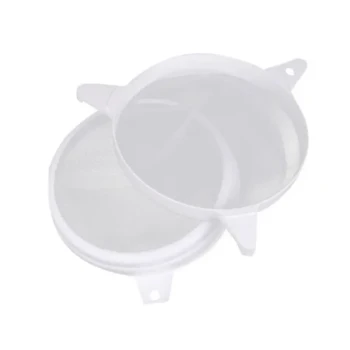
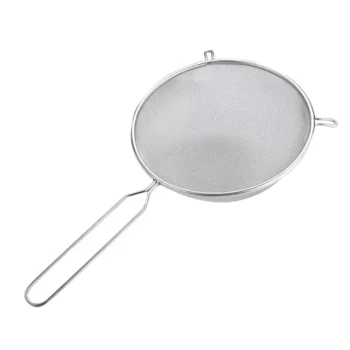
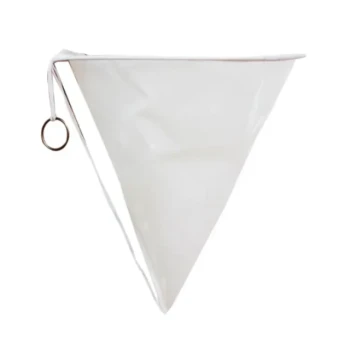
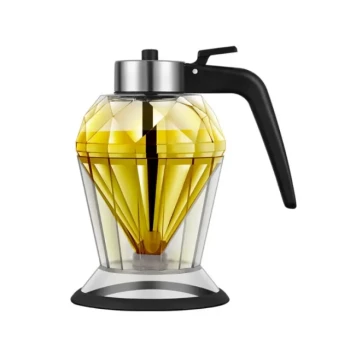
Filtration equipment functions as the critical purification barrier in primary honey processing, designed to mechanically separate liquid honey from solid contaminants. Its primary role is to eliminate residual pollen particles, wax debris, and physical impurities, ensuring the final product achieves the necessary purity, transparency, and stability required for market distribution.
Core Takeaway Filtration is not merely about aesthetics; it is a stabilization process that removes crystallization nuclei and biological contaminants. By purifying raw honey, filtration extends shelf life and ensures compliance with strict food safety standards without compromising the product's fluidity.
Ensuring Physical Purity and Hygiene
The most immediate function of filtration is the physical separation of foreign matter from the harvested honey.
Removal of Macroscopic Debris
Raw honey often contains wax fragments from the honeycomb and mechanical impurities introduced during extraction. Multi-stage stainless steel meshes intercept these larger solids, which is the first step in refining the product.
Elimination of Biological Contaminants
Filtration is essential for removing insect remains, bee larvae, and eggs. Removing these biological elements is critical because their decomposition can release proteins that lead to rancidity, off-flavors, or spoilage.
Exclusion of Airborne Particulates
During harvesting and extraction, honey can collect airborne dust and other fine particulate matter. Precision filtration systems effectively trap these microscopic impurities, ensuring the honey meets high-grade food hygiene standards.
Enhancing Stability and Shelf Life
Beyond cleaning the honey, filtration plays a chemical and physical role in preserving the product's longevity.
Delaying Crystallization
Honey naturally crystallizes over time, but the presence of solid particles accelerates this process. Impurities such as wax crumbs and pollen act as "nuclei" around which sugar crystals form; removing them significantly slows down solidification and maintains fluidity.
Preventing Spoilage
By removing organic debris and larval proteins, filtration removes the fuel for potential fermentation or spoilage. This ensures the honey remains shelf-stable and safe for consumption over extended periods.
Optimizing Sensory Appeal and Market Value
For commercial producers, the visual presentation of honey is often as important as its taste.
Improving Clarity and Transparency
Filtration significantly enhances the visual quality of honey by removing the haze caused by suspended particles. This results in a clear, bright product that consumers associate with high quality and purity.
Meeting Regulatory and Commercial Standards
To enter premium markets, honey must meet strict definition standards, such as EU Council Directives. Filtration ensures the removal of foreign matter prohibited by these regulations, allowing producers to certify their product for broad commercial distribution.
Understanding the Trade-offs
While filtration is necessary for commercial standardization, it must be balanced against the preservation of the honey's natural character.
The Balance of Pollen Retention
While removing excess pollen helps prevent crystallization, over-filtration can strip honey of its botanical identity. Some food safety regulations prohibit the total removal of natural pollen unless specifically labeled, as pollen is a key marker of origin.
Preservation of Bioactive Properties
Extreme filtration, particularly when combined with high heat, can diminish specific bioactive toxins and enzymes found in specialty honeys. Traditional or "raw" honey processing often utilizes coarser filtration to preserve these nutritional profiles, even at the cost of visual clarity.
Making the Right Choice for Your Goal
The level of filtration you employ should be dictated by your end-market requirements.
- If your primary focus is Mass Market Retail: Prioritize high-precision multi-stage filtration to maximize clarity, delay crystallization, and ensure a uniform shelf appearance.
- If your primary focus is Artisan or Raw Honey: Utilize coarse filtration to remove wax and bee parts while retaining natural pollen content to preserve bioactivity and distinct flavor profiles.
Effective filtration is the bridge between a raw agricultural harvest and a safe, stable, and marketable consumer product.
Summary Table:
| Function Category | Primary Role | Impact on Quality |
|---|---|---|
| Physical Purification | Removes wax, debris, and bee parts | Ensures hygiene and food safety |
| Chemical Stability | Eliminates crystallization nuclei | Extends shelf life and maintains fluidity |
| Sensory Enhancement | Improves clarity and transparency | Boosts market value and consumer appeal |
| Regulatory Compliance | Meets global honey standards | Facilitates broad market distribution |
Elevate Your Apiary Operations with HONESTBEE
At HONESTBEE, we specialize in empowering commercial apiaries and distributors with professional-grade honey processing solutions. Whether you are seeking high-precision filtration machinery, specialized hive-making equipment, or efficient honey-filling systems, our comprehensive wholesale portfolio is designed to maximize your productivity and product quality.
From essential industry consumables to honey-themed cultural merchandise, we provide the tools you need to scale your business and meet global standards. Contact us today to discuss how our specialized hardware and tailored equipment packages can streamline your honey production and drive your market success.
References
- K. Anil Kumar, D. H. Mitrannavar. Disposal Pattern of Honey in Western Ghats of Karnataka, India. DOI: 10.20546/ijcmas.2020.909.256
This article is also based on technical information from HonestBee Knowledge Base .
Related Products
- Electric Double Wall Honey Filtering Machine Purifier Equipment for Honey Processing Plant
- 0.5T Capacity Honey Dehumidifier Dryer with Vacuum Heating and Thickening Filtering Machine
- Conical Nylon Honey Strainer Filter Bag for Beekeeping and Honey Filtration
- Professional Stainless Steel Honey Filtering Machine with Water Bath Heating for Beekeeping
- Stainless Steel Triangle Support Honey Strainer and Filters
People Also Ask
- What is the process of filtering honey? A Guide to Clean, Pure, and Market-Ready Honey
- What types of equipment are used in honey filtering? Build an Efficient System for Pure, Marketable Honey
- What is the overall importance of using the right equipment in honey filtering? Boost Quality & Marketability
- How should honey filtering equipment be properly maintained? Extend Equipment Life & Protect Honey Purity
- What are the benefits of drying honey filtering equipment after use? Protect Your Honey Quality & Equipment Investment