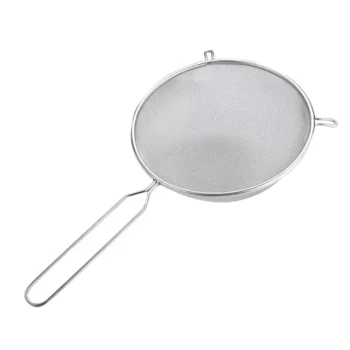
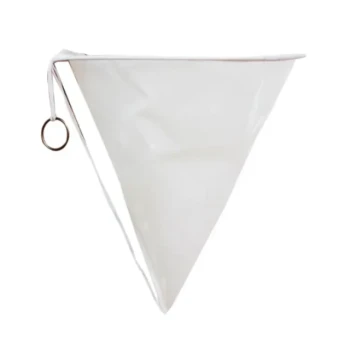
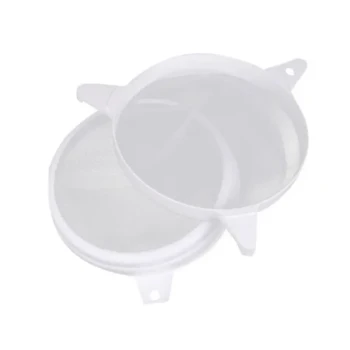
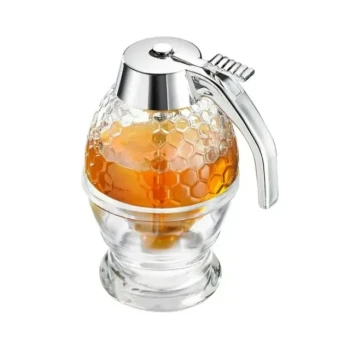
The primary function of using muslin cloth or stainless steel filters is to establish a mechanical barrier that separates macroscopic contaminants from liquid honey. These materials effectively capture beeswax residues, larval debris, and environmental impurities to ensure the product is visually clear and hygienically safe, without stripping away the microscopic pollen that defines the honey's botanical identity.
Core Takeaway: Effective honey filtration is a balance between purification and preservation. While muslin and stainless steel filters remove visible debris to meet commercial hygiene standards, their specific porosity allows essential microscopic pollen to pass through, ensuring the honey retains its nutritional value and market authenticity.
Achieving Visual Clarity and Hygiene
The most immediate function of filtration is transforming raw honeycomb extraction into a marketable product. This stage is critical for meeting consumer expectations regarding texture and appearance.
Eliminating Macroscopic Impurities
Raw honey extracted directly from the comb contains significant organic debris. Muslin and stainless steel filters are designed to catch large particulates such as beeswax cappings, bee legs or wings, and larval remains.
Enhancing Market Grade
Market standards generally require honey to be free of visible sediment. By removing these suspended solids, the filtration process improves the visual transparency of the honey. This ensures the final product looks clean and professional in the jar, which is a primary driver of consumer confidence.
Preserving Botanical Integrity
Beyond simple cleaning, the choice of muslin or stainless steel mesh serves a deeper biological purpose. It allows for "straining" rather than "ultra-filtration."
Retaining Microscopic Pollen
A critical distinction in this process is the retention of pollen grains. According to standard practices, the mesh size of these filters is fine enough to stop debris but coarse enough to allow microscopic pollen to pass through. This preserves the honey's nutritional profile and allows for the identification of its floral source.
Removing Pollen Clusters
While individual grains pass through, filters help break up or catch large, unsightly "pollen clusters." This results in a smoother consistency without compromising the honey's chemical or botanical fingerprint.
Understanding the Trade-offs
While filtration is necessary for commercial distribution, understanding the limitations of your medium—cloth vs. steel—is vital for processing efficiency.
Material Durability and Hygiene
Stainless steel filters offer consistency and are easier to sanitize, making them ideal for repeated use in larger operations. Muslin cloth, while accessible and effective for finer straining, can be difficult to clean thoroughly and may trap more honey in its fibers, leading to minor yield loss.
Managing Aeration and Oxidation
Improper filtration setups can introduce air bubbles. While settling tanks use gravity to remove air, the filtration step itself should be managed to prevent excessive agitation. Oxidation during this stage can negatively impact the honey's flavor profile and pharmacological properties over time.
Limitations on Chemical Safety
Standard filtration removes solids, not chemical toxins. While specialized skimming devices can remove harmful froth containing concentrated components (such as Grayanotoxins in specific specialty honeys), standard muslin or steel filters primarily address physical debris, not chemical composition.
Making the Right Choice for Your Goal
The filtration method you choose should align with your volume and your end-market requirements.
- If your primary focus is Commercial Distribution: Prioritize multi-layer stainless steel filters to ensure consistent visual clarity and adherence to strict hygiene standards.
- If your primary focus is Artisanal/Raw Honey: Use a coarser stainless mesh or loose muslin to remove only the largest debris, ensuring maximum pollen retention and minimal processing.
- If your primary focus is Safety: Ensure your process includes a settling or skimming stage to remove surface froth, which can harbor concentrated impurities that simple filtration may miss.
Ultimately, the goal of filtration is to present a clean, safe product that honors the complex work of the hive.
Summary Table:
| Filter Type | Durability | Best For | Pros | Cons |
|---|---|---|---|---|
| Stainless Steel | High (Reusable) | Commercial/Large Scale | Easy to sanitize, consistent results | Higher initial investment |
| Muslin Cloth | Low (Disposable) | Artisanal/Small Scale | Excellent fine straining, accessible | Difficult to clean, potential yield loss |
| Multi-layer Steel | Very High | Industrial Wholesale | Maximum clarity, meets strict standards | Requires professional setup |
Elevate Your Honey Production with HONESTBEE
To compete in the global market, commercial apiaries and distributors need reliable, high-efficiency filtration solutions that balance purity with botanical integrity. At HONESTBEE, we specialize in supporting your growth by providing a comprehensive wholesale range of beekeeping tools, machinery, and essential consumables.
From industrial honey-filling and hive-making machines to premium filtration hardware and honey-themed cultural merchandise, we offer everything you need to scale your operations. Partner with us to access the specialized equipment that ensures your honey meets the highest standards of hygiene and visual clarity.
Ready to upgrade your processing line? Contact us today to explore our wholesale catalog!
References
- Pooja Dalal, Krishna. An overview of mellissopalynology and its scope in beekeeping. DOI: 10.33545/26174693.2025.v9.i4sd.4139
This article is also based on technical information from HonestBee Knowledge Base .
Related Products
- Electric Double Wall Honey Filtering Machine Purifier Equipment for Honey Processing Plant
- Professional Stainless Steel Honey Filtering Machine with Water Bath Heating for Beekeeping
- Professional Stainless Steel Honey Filter with Support Handle
- Professional Honey Filter with Tripod Support Stand
- Professional Cone-Shaped Honey Filter with Reinforced Steel Ring
People Also Ask
- What is the process of filtering honey? A Guide to Clean, Pure, and Market-Ready Honey
- What types of equipment are used in honey filtering? Build an Efficient System for Pure, Marketable Honey
- What is the overall importance of using the right equipment in honey filtering? Boost Quality & Marketability
- How should honey filtering equipment be properly maintained? Extend Equipment Life & Protect Honey Purity
- What are the benefits of drying honey filtering equipment after use? Protect Your Honey Quality & Equipment Investment