Propolis serves as a sophisticated biological adhesive that, when harvested with specialized technology, acts as a high-value raw material for the medical and food industries. By utilizing advanced collection and processing equipment, producers can isolate over 149 complex compounds, unlocking potent antibacterial and antiviral capabilities that manual extraction often fails to fully preserve.
The use of specialized hardware transforms propolis from a simple hive by-product into a standardized antimicrobial agent, enabling high-efficiency extraction of bioactive ingredients for pharmaceuticals, food preservation, and dietary supplements.
Unlocking Biological Value
The value of propolis lies in its chemical complexity. Specialized equipment ensures that the biological integrity of the substance is maintained from the hive to the laboratory.
The Antimicrobial Barrier
In nature, propolis functions as the foundation of social immunity within a bee colony. It creates an antimicrobial interface that protects the hive from external pathogens.
When collected properly, these properties are transferred to human applications. The substance retains potent antibacterial and antiviral properties, making it biologically active rather than inert.
Preservation of Complex Compounds
Propolis is not a single substance but a matrix of over 149 complex compounds.
Standard manual collection can expose these compounds to degradation. Specialized collection minimizes this risk, ensuring the chemical profile remains rich enough for high-end applications.
Primary Industrial Applications
The transition from raw hive scraping to industrial commodity is driven by the purity and consistency achieved through specialized machinery.
Medical and Pharmaceutical Use
Due to its biological activity, propolis is a critical raw material for developing medical dressings. Its natural antiseptic qualities help prevent infection in wound care.
Advanced purification equipment allows for the separation of propolis from beeswax and royal jelly, creating high-quality inputs for the pharmaceutical industry.
Food Preservation Technology
The food industry utilizes propolis to create preservation coatings.
These coatings act as natural barriers against spoilage organisms, extending the shelf life of perishable goods without synthetic additives.
Consumer Health Products
Raw material gathered via mechanical scrapers and collection grids serves as the substrate for dietary supplements.
This includes the mass production of propolis tinctures, capsules, and sprays, which rely on the consistent mineral composition provided by standardized collection methods.
The Role of Specialized Equipment
The "value" of propolis is directly tied to how it is processed. Specialized hardware maximizes yield and chemical availability.
Increasing Extraction Efficiency
Industrial grinding equipment crushes raw propolis into fine particles. This significantly increases the specific surface area of the sample.
A larger surface area facilitates full penetration by extraction solvents. This improves the leaching efficiency of bioactive ingredients, ensuring no valuable compounds are wasted during processing.
Ensuring Chemical Stability
Industrial low-temperature freezing equipment is essential for high-grade propolis. Samples are maintained at minus 10 degrees Celsius.
This prevents the escape of volatile components and chemically slows biological degradation. It guarantees that the physicochemical consistency of the sample remains stable for analysis or production.
Understanding the Trade-offs
While specialized equipment enhances quality, it introduces specific operational considerations that differ from traditional methods.
Investment vs. Purity
Traditional manual extraction is low-cost but often results in lower-grade material mixed with wax and debris.
Modern machinery requires capital investment but maximizes the preservation of bioactive compounds. For high-tech or pharmaceutical buyers, this purity is non-negotiable, making the investment necessary for market entry.
Disruption vs. Automation
Manual collection can be intrusive to the colony. Conversely, specialized hardware collectors (like entrance traps) operate automatically.
This reduces manual collection costs and minimizes disturbance to bee life. However, reliance on automation requires careful monitoring to ensure equipment does not impede normal hive traffic or ventilation.
Making the Right Choice for Your Goal
To maximize the potential of propolis, align your equipment strategy with your end-product requirements.
- If your primary focus is Pharmaceutical Grade Ingredients: Prioritize industrial grinding and freezing equipment to maximize surface area for solvent extraction and prevent the loss of volatile compounds.
- If your primary focus is Apiary Revenue Diversification: Install hardware collectors and pollen traps to automate collection, reducing labor costs while creating a consistent volume of raw material for supplements.
specialized equipment is the bridge that turns a hive's defensive barrier into a commercially viable, bioactive asset.
Summary Table:
| Feature/Application | Key Benefits & Industrial Uses | Equipment Role |
|---|---|---|
| Biological Value | Potent antibacterial, antiviral, and social immunity properties | Ensures chemical stability and integrity |
| Medical Industry | Used in medical dressings and pharmaceutical antiseptics | High-purity separation from wax/impurities |
| Food Industry | Natural preservation coatings for extended shelf life | Standardized extraction of bioactive agents |
| Consumer Health | Dietary supplements: tinctures, capsules, and sprays | Mechanical grinding for high leaching efficiency |
| Quality Control | Preservation of 149+ volatile complex compounds | Low-temp freezing prevents degradation |
Maximize Your Apiary’s Bioactive Yield with HONESTBEE
Transition from raw hive scrapings to high-value industrial commodities. At HONESTBEE, we empower commercial apiaries and distributors with the specialized machinery needed to unlock the full potential of propolis.
Our comprehensive wholesale range includes everything from automated collection hardware to high-efficiency processing machines, ensuring your propolis meets the stringent purity standards of the pharmaceutical and food industries. Whether you are scaling a commercial operation or supplying the latest beekeeping tools and honey-themed merchandise, our expertise delivers the competitive edge your business deserves.
Ready to upgrade your production?
Contact HONESTBEE Today for Specialized Equipment Solutions
References
- Peter Hristov, Nadezhda Palova. Significance of Apoidea as Main Pollinators. Ecological and Economic Impact and Implications for Human Nutrition. DOI: 10.3390/d12070280
This article is also based on technical information from HonestBee Knowledge Base .
Related Products
- 8 Frame and 10 Frame Propolis Trap Collector Screen for Propolis Collection
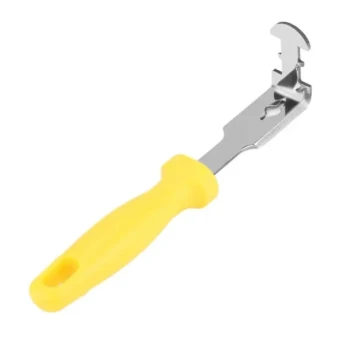
- Heavy Duty Stainless Steel Frame Cleaner with Plastic Handle
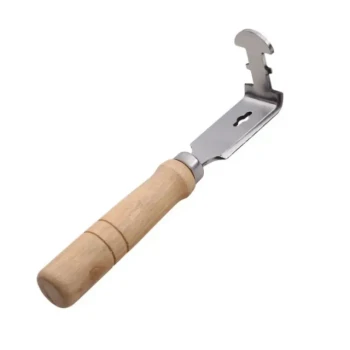
- Professional Stainless Steel Frame Cleaner with Ergonomic Wood Handle
- Professional Honey Uncapping Roller for Efficient Harvesting
- Stainless Steel Pollen Shovel with Wooden Handle
People Also Ask
- Why is a specific wooden frame required when installing a propolis screen? Optimize Your Propolis Harvest Efficiency
- What are the advantages of using propolis collector screens? Elevate Your Harvest to Pharmaceutical Purity
- How do propolis collection screens work? Discover material specs for commercial harvesting equipment
- How does the mesh size of a propolis collection screen influence the efficiency of propolis harvesting? Optimize Yields!
- How do commercial-grade plastic screens compare to custom fine-mesh screens? Maximize Your Propolis Yield & ROI