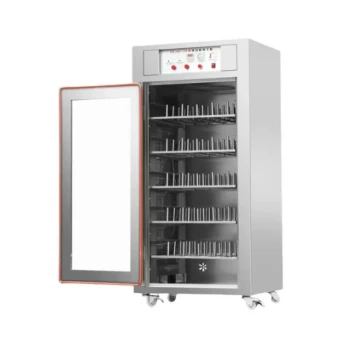
The primary objectives of using professional Pollen Drying equipment are to effectively remove excess moisture, inhibit microbial growth, and maintain chemical stability through a controlled, stable flow of warm air. This equipment is specifically engineered to maximize the retention of sensitive bioactive substances, ensuring the final product meets rigorous industrial standards for long-term storage and commercial distribution.
Professional drying is a balancing act between preservation and degradation. The core goal is to stabilize the pollen against biodegradation and mold without destroying the heat-sensitive nutrients that give the product its value.
The Critical Role of Moisture Control
Eliminating the Risk of Spoilage
Freshly collected bee pollen is rich in nutrients and moisture, making it a prime target for rapid biodegradation. If left unprocessed, this environment encourages the immediate growth of mold and bacteria. Professional equipment uses specific airflow mechanisms to reduce moisture content to a safe level, effectively halting these biological threats.
Ensuring Chemical Stability
Stability is essential for any product intended for commercial or medicinal use. By removing water activity, the drying process prevents chemical reactions that could alter the pollen's composition over time. This ensures the product remains physically intact and safe for research analysis or consumption.
Preserving Bioactive Integrity
Protecting Heat-Sensitive Compounds
Bee pollen contains delicate components such as enzymes, vitamins, and proteins. These bioactive substances are highly susceptible to denaturation and oxidative degradation when exposed to uncontrolled heat. Professional equipment is designed to dry the pollen without subjecting it to the extreme temperatures that would destroy these nutrients.
Maintaining Nutritional Value
The goal of post-harvest processing is to transform a raw ingredient into a functional food product. Excessive heat significantly reduces the levels of sugars and free sulfhydryl groups (active amino acids). Precise temperature management ensures that the biological activity required for high-quality nutritional products is preserved.
Understanding the Trade-offs
Temperature vs. Time
There is an inherent tension between drying speed and nutrient retention. Higher temperatures dry pollen faster but risk damaging the critical sugars and proteins mentioned above. Professional equipment mitigates this by maintaining a stable thermal environment, prioritizing gradual moisture reduction over rapid, damaging heat.
Texture and Physical State
Fresh pollen is naturally soft and earthy, while improper processing can result in hard, crunchy pellets. While drying is necessary for shelf life, over-drying can compromise the physical texture and nutritional integrity. The objective is to reach a moisture level that prevents mold but retains as much of the original physical quality as possible.
Making the Right Choice for Your Goal
To maximize the value of your harvest, align your equipment settings with your end-product requirements.
- If your primary focus is Commercial Shelf Life: Prioritize consistent moisture reduction to strictly inhibit mold formation and ensure long-term physical stability.
- If your primary focus is High-End Medicinal/Nutritional Use: Prioritize precision temperature control to minimize the loss of heat-sensitive enzymes and active amino acids.
The ultimate measure of success in pollen drying is producing a shelf-stable pellet that retains the biological potency of the fresh harvest.
Summary Table:
| Objective | Key Benefit | Critical Mechanism |
|---|---|---|
| Moisture Control | Prevents mold, bacteria, and biodegradation | Controlled airflow and dehydration |
| Nutrient Preservation | Protects heat-sensitive enzymes and vitamins | Precise temperature management |
| Chemical Stability | Ensures long-term storage and industrial safety | Removal of water activity |
| Physical Quality | Maintains texture and prevents over-drying | Gradual thermal stabilization |
Elevate Your Bee Product Quality with HONESTBEE
At HONESTBEE, we specialize in empowering commercial apiaries and distributors with the high-performance tools needed to excel in the global market. Our professional pollen drying solutions and comprehensive range of beekeeping machinery are designed to protect your harvest's bioactive integrity while maximizing shelf life.
Whether you are looking for advanced honey-filling machines, specialized hive-making hardware, or essential industry consumables, our wholesale offerings provide the reliability your business demands.
Ready to optimize your post-harvest processing? Contact us today to discover how our equipment can enhance your production efficiency and product value!
References
- N. I. Martseniuk, O. I. Akulonok. Flight activity of bee colonies at Acer spp. bee pollen collection. DOI: 10.15407/animbiol22.01.036
This article is also based on technical information from HonestBee Knowledge Base .
Related Products
- Stainless Steel Pollen Shovel with Wooden Handle
- Heavy-Duty Ergonomic Stainless Steel Pollen Shovel
- Heavy-Duty Ergonomic Grip Galvanized Pollen Shovel
- Removable Plastic Pollen Trap With Ventilated Tray for Bees Pollen Collector
- Plastic Bee Pollen Trap Strips Comb Catcher Collector
People Also Ask
- How do bee pollen collection tools affect the quality of bee pollen used in functional dairy ice cream production?
- Why should commercial apiaries focus on the collection of diversified bee products? Maximize Your Hive’s Profit Potential
- How does a specialized pollen collector facilitate the harvesting of diverse bee products? Automate High-Value Yields
- What is the impact of pollen collectors and associated equipment on the cost structure of pollen production? Maximize ROI
- What is the technical significance of using specialized cutting tools for propolis? Master Precision Pollen Harvesting