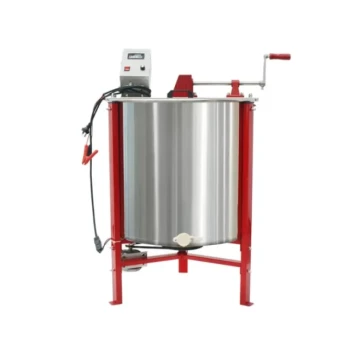
The primary reasons for maintaining a clean honey extractor are to ensure equipment efficiency, extend the machine's operational lifespan, and protect biological security. Removing honey and wax residue is essential to prevent mechanical wear, deter pests like wax moths, and halt the spread of bee diseases.
Cleaning your extractor is not merely a hygienic preference; it is a critical maintenance protocol. Neglecting this step allows pathogens and pests to jeopardize future harvests while simultaneously degrading the mechanical integrity of your investment.
Protecting Biological Security
Preventing Pest Infestations
Leftover organic matter is a magnet for pests. Wax moths, in particular, are drawn to the scent of remaining honey and wax.
If the extractor is stored without being properly cleaned, it becomes a breeding ground for these pests. An infestation can damage the equipment and contaminate the immediate environment where you store your beekeeping gear.
Controlling Disease Transmission
Cross-contamination is a significant risk in apiary management. Failing to adhere to a strict cleaning schedule after every use helps spread bee diseases.
Pathogens can linger in unwashed equipment. If you process frames from different hives or borrow equipment, a dirty extractor acts as a vector, transmitting illness from infected colonies to healthy ones during the next extraction cycle.
Ensuring Equipment Performance and Longevity
Reducing Mechanical Wear
Honey residue is viscous and can become incredibly hard over time. This sticky buildup creates unnecessary drag on moving parts.
Regular cleaning prevents this residue from accumulating. By keeping the mechanisms free of debris, you reduce wear and tear, significantly extending the lifespan of the machine.
Optimizing Extraction Efficiency
A clean machine operates more effectively. When the interior basket and frames are free of old wax propolis, the spinning mechanism encounters less resistance.
This ensures the equipment works at peak performance. It saves you time and effort, making the extraction process smoother and more reliable.
Preserving Product Quality
Preventing Fermentation and Spoilage
Even small amounts of honey left in the drum can absorb moisture from the air. This leads to fermentation and spoilage.
Spoiled residue fosters bacteria and creates unpleasant odors. Cleaning ensures that subsequent batches of honey remain pure and are not contaminated by the off-flavors of degraded leftovers.
Meeting Regulatory Standards
For those who sell their harvest, hygiene is rarely optional. Clean equipment is often a strict requirement for health and safety regulations.
Maintained equipment ensures you remain compliant with food safety laws, protecting your business and your customers.
Common Pitfalls to Avoid
The Risk of Residual Moisture
While washing is essential, water is the enemy of stored metal equipment. A common mistake is reassembling the extractor before it is completely dry.
Trapped moisture can lead to rust or mold growth inside the unit. You must allow ample drying time before storage to prevent replacing a hygiene problem with a corrosion problem.
Over-Reliance on Biological Cleaning
Some beekeepers let bees "clean" the extractor outdoors. While this removes honey, it does not sanitize the equipment.
This method does not remove the microscopic pathogens responsible for disease. Furthermore, it can trigger robbing behavior among local hives. It should not be considered a substitute for a thorough wash with warm water and mild detergent.
Making the Right Choice for Your Goal
Whether you are a hobbyist or a commercial producer, your cleaning routine safeguards your investment and your bees.
- If your primary focus is Equipment Longevity: Prioritize the thorough removal of propolis and sticky residues to prevent mechanical strain on gears and bearings.
- If your primary focus is Colony Health: Adopt a strict sanitation schedule to eliminate the risk of transferring diseases or attracting wax moths between seasons.
- If your primary focus is Commercial Sales: Ensure your cleaning methods meet local health regulations to guarantee product purity and legal compliance.
Treat your extractor not just as a tool, but as a critical control point for the health of your apiary and the quality of your harvest.
Summary Table:
| Key Benefit | Primary Impact | Why It Matters |
|---|---|---|
| Biological Security | Pest & Disease Control | Prevents wax moth infestations and stops the spread of pathogens like Foulbrood. |
| Equipment Longevity | Mechanical Health | Reduces drag on moving parts and prevents rust/corrosion during storage. |
| Product Quality | Purity & Compliance | Prevents fermentation of honey residues and ensures adherence to food safety laws. |
| Extraction Efficiency | Operational Speed | Ensures the spinning mechanism operates at peak performance with minimal resistance. |
Partner with HONESTBEE for Superior Apiary Performance
At HONESTBEE, we understand that high-quality extraction equipment is an investment in your business's future. We specialize in catering to commercial apiaries and distributors, providing a comprehensive wholesale range that includes everything from honey-filling machines and hive-making hardware to specialized beekeeping tools and essential consumables.
Our equipment is designed for durability and ease of maintenance, ensuring you achieve maximum efficiency and hygiene in every harvest. Whether you are looking to upgrade your extraction line or stock premium equipment for your distribution network, our team is ready to provide the expertise and hardware you need.
Ready to elevate your honey production? Contact us today to explore our wholesale solutions and see how HONESTBEE can support your growth.
Related Products
- HONESTBEE 72 Frame Industrial Electric Honey Extractor for Beekeeping
- Commercial Electric 12 Frame Honey Extractor Spinner Motorized Honey Extractor
- HONESTBEE 3-Frame Manual Acrylic Honey Extractor
- electric honey extractor honey centrifuge 3 frame honey extractor stainless steel honey frame extractor
- HONESTBEE 6 Frame Self Reversing Electric Honey Extractor for Beekeeping
People Also Ask
- What is the importance of balancing honeycomb frames within a honey extractor? Ensure Stability and Protect Machinery
- How is honey separated from the frames after they are uncapped? Efficient Extraction Methods for High Yields
- What are the main benefits of using a honey extractor? Maximize Yields and Protect Your Honeycomb
- What are the recommended methods for removing honey from the honeycomb? Top Extraction Techniques for Maximum Efficiency
- How do manual honey extractors compare to electric honey extractors? Choosing the Right Tool for Your Apiary Growth