A modern modular frame beehive is a standardized stack of functional components: a hive stand, bottom board, brood chamber, removable frames, optional queen excluder and entrance reducer, honey supers, inner cover, and weatherproof outer roof. Each component must provide a defined mechanical or biological function while remaining dimensionally compatible with the rest of the system. This modularity enables colony expansion, routine inspection, disease monitoring, and honey harvesting without dismantling the comb structure.
The defining requirement is standardized interchangeability: every box, frame, cover, and accessory must align correctly, protect the colony, and support efficient beekeeper handling.
How the Modular Hive Is Organized
Hive stand
The hive stand is the supporting structure beneath the hive body. It elevates the colony above damp ground, improves airflow, and helps reduce exposure to ground-dwelling pests.
Its primary requirements are load-bearing strength, stability, moisture resistance, and compatibility with the hive footprint. For commercial use, the stand should also support safe lifting, transport, and inspection access.
Bottom board
The bottom board forms the hive’s lower foundation and includes the primary entrance through which bees enter and leave. It may be solid or screened, depending on the ventilation and management requirements of the hive system.
A suitable bottom board must provide accurate alignment with the brood chamber, a durable landing area, adequate drainage, and resistance to moisture and abrasion. It should also accommodate an entrance reducer or entrance block where required.
Brood chamber
The brood chamber is the main lower hive body. It houses the removable frames where the queen lays eggs and where workers raise larvae, store pollen, and maintain essential food reserves.
The chamber must provide sufficient internal volume, structural rigidity, and correct bee-space clearances. Its dimensions must match the selected frames and supers so that components stack securely without creating excessive gaps or crushing bees.
Frames and foundation
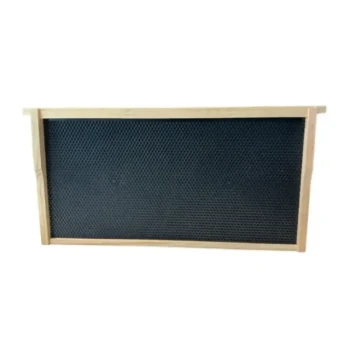
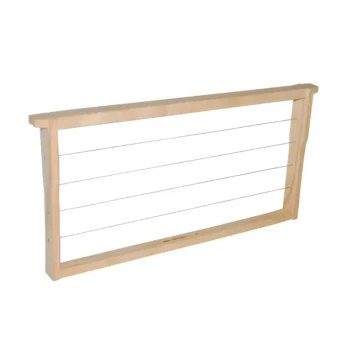
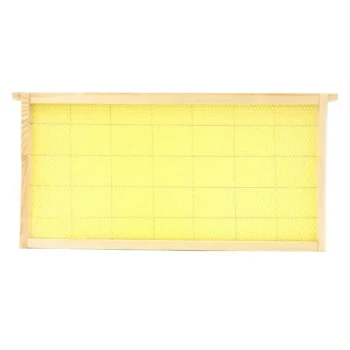
Movable frames are the central operating components of a modern frame hive. They support beeswax comb or foundation and allow beekeepers to remove individual sections for inspection, disease assessment, colony management, and honey extraction.
Frames require consistent dimensions, straight construction, adequate load capacity, and secure foundation retention. Wooden or plastic frames may be used, while foundation sheets help guide bees to build uniform comb that is easier to inspect and process.
Components for Colony Separation and Control
Queen excluder
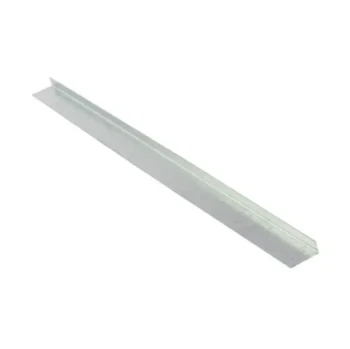
A queen excluder is a perforated grid placed between the brood chamber and honey supers. Its openings allow worker bees to pass through while normally restricting the larger queen from entering the upper honey-storage area.
This component is optional rather than universally required. Its functional requirements are accurate slot spacing, a flat surface, safe edges, and reliable fit between hive sections without obstructing worker movement.
Entrance reducer
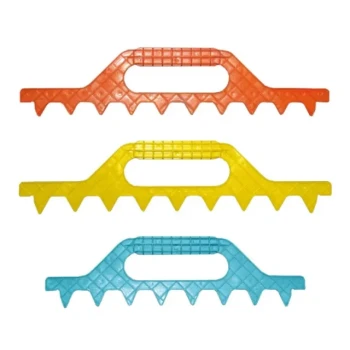
An entrance reducer is an insert fitted to the hive entrance. It limits the opening to regulate airflow and helps smaller or vulnerable colonies defend themselves against robbing and invading pests.
The reducer should be easy to install and remove, securely retained, and capable of providing more than one entrance setting. It must not create sharp edges or block normal bee movement.
Honey supers
Honey supers are stackable boxes placed above the brood chamber. They contain removable frames intended primarily for the storage of surplus honey that can later be removed and extracted.
Supers may be shallow, medium, or deep, but each format must use compatible frames and maintain the same external stacking dimensions as the rest of the hive. Their essential requirements are lightweight handling, dimensional accuracy, structural strength, and clean, food-contact-compatible construction.
Components for Protection and Environmental Control
Inner cover or crown board
The inner cover sits above the uppermost super or brood chamber. It helps separate the colony from the outer roof, supports ventilation and insulation, and may include openings for feeding equipment.
It should fit accurately, resist warping, and provide controlled ventilation without creating excessive drafts. The design should also reduce the likelihood that bees permanently seal the outer roof to the hive body with propolis.
Outer roof cover
The outer cover is the hive’s weather-resistant roof. A telescoping design commonly extends over the sides of the upper hive body to protect the colony from rain, wind, and temperature extremes.
The roof requires weather resistance, dimensional stability, secure placement, and adequate overhang. Commercial products may use treated wood, metal, or durable plastic, but the material must withstand repeated outdoor exposure without contaminating the colony or honey.
The System-Wide Functional Requirements
Dimensional standardization
The most important requirement is compatibility across all modules. Boxes, frames, covers, excluders, and entrance equipment must use consistent dimensions so that parts can be stacked, replaced, and expanded without custom modification.
For distributors and resellers, this means product specifications should clearly identify the hive standard, box depth, frame count, frame dimensions, and compatible accessories.
Correct bee-space and frame alignment
Internal clearances must allow bees to move naturally while preventing unwanted comb construction between frames and hive walls. Incorrect spacing can lead to burr comb, damaged bees, difficult inspections, and poor honey extraction.
Frames must remain parallel, level, and securely supported. Accurate top bars, frame rests, and box tolerances are therefore essential quality indicators.
Structural durability
Hive bodies and frames are repeatedly exposed to lifting, stacking, scraping, weather, moisture, and propolis. Components must resist splitting, warping, corrosion, and joint failure throughout repeated seasonal use.
For professional supply programs, durability should be evaluated alongside repairability, replacement-part availability, packaging strength, and delivery consistency.
Ventilation and moisture management
A modular hive must protect the colony from rain while allowing controlled airflow and the release of internal moisture. Bottom-board design, screened floors, inner-cover ventilation, and roof configuration all contribute to this balance.
Overly sealed construction can encourage condensation, while excessive openings can create drafts or weaken colony defense. The appropriate design depends on climate, colony strength, and management practice.
Safe and efficient handling
Movable frames and stackable boxes are intended to make inspections and harvesting more efficient. Components should therefore be light enough for practical handling while remaining strong enough to support bees, comb, and stored honey.
Handles, frame rests, compatible lifting equipment, and consistent box dimensions are particularly important for commercial apiaries and high-volume operations.
Understanding the Trade-offs
Queen excluders can improve separation but may restrict movement
A queen excluder can help keep brood out of harvest supers, simplifying honey processing. However, some beekeepers choose not to use one because it can affect colony movement or honey-super acceptance in certain management systems.
It should be supplied as a compatible option rather than treated as a mandatory component for every hive configuration.
Screened and solid bottom boards serve different priorities
Screened bottoms can support ventilation and monitoring, while solid boards may offer different benefits in colder or specific management conditions. Neither design is universally superior.
Product selection should reflect regional climate, beekeeper preference, pest-management practices, and the intended operating environment.
Wood and synthetic materials involve different compromises
Wood offers traditional handling characteristics and can be repaired or refinished, but it requires protection against moisture and dimensional movement. Plastic and other synthetic materials can provide consistency and weather resistance, but may have different cost, insulation, repair, and user-acceptance considerations.
The key purchasing criteria are not material alone, but service life, dimensional accuracy, food safety, environmental suitability, and total operating cost.
Standardization does not eliminate quality variation
Two products may follow the same nominal hive format while differing significantly in joint strength, surface finish, moisture content, coating quality, and frame fit.
Quality control should therefore include dimensional inspection, assembly testing, coating verification, and packaging evaluation before committing to large-volume supply.
Making the Right Choice for Your Goal
The best modular hive system is the one that matches the operating environment, beekeeper workflow, and supply requirements.
- If your primary focus is distributor compatibility: Build the product range around one clearly defined hive standard, with matching boxes, frames, covers, excluders, reducers, and replacement parts.
- If your primary focus is commercial apiary efficiency: Prioritize lightweight stackable boxes, accurate frame alignment, durable joints, and interchangeable components suitable for repeated inspections and harvesting.
- If your primary focus is colony health: Select components that provide adequate brood-chamber volume, controlled ventilation, moisture management, and safe access for inspection.
- If your primary focus is honey harvesting: Use standardized supers and frames designed for clean comb production, easy removal, and compatibility with extraction equipment.
- If your primary focus is premium sourcing service: Require consistent specifications, responsive technical support, reliable quality control, and fulfillment capability across the full hive assembly.
A well-designed modular frame beehive succeeds when every component works independently yet fits together as a reliable, interchangeable system.
Summary Table:
| Component | Primary Function | Key Functional Requirements |
|---|---|---|
| Hive stand | Supports hive above ground | Load-bearing, stable, moisture-resistant, compatible footprint |
| Bottom board | Base and entrance | Alignment, durable landing, drainage, accommodates reducer |
| Brood chamber | Houses brood and frames | Correct volume, rigidity, bee-space clearances |
| Frames & foundation | Support comb for inspection and honey | Consistent dimensions, secure foundation, load capacity |
| Queen excluder | Separate queen from supers | Accurate slot spacing, flat, safe edges, proper fit |
| Entrance reducer | Regulate entrance size | Easy install, secure, multiple settings |
| Honey supers | Store surplus honey | Lightweight, accurate dimensions, structural strength, food-safe |
| Inner cover | Ventilation and insulation | Accurate fit, resist warping, controlled airflow |
| Outer roof | Weather protection | Weather-resistant, dimensional stability, secure placement |
Elevate your beekeeping operations with HONESTBEE's comprehensive wholesale solutions. We supply the full spectrum of modular hive components—from stands and bottom boards to supers and covers—ensuring standardized interchangeability, durable construction, and bee-safe materials. Whether you're a distributor seeking reliable OEM/ODM partnerships or a commercial apiary aiming for efficient honey harvesting, our commitment to rapid response and dedicated service ensures your supply chain stays strong. Contact our team today to discover how our premium trading services and full-spectrum portfolio can boost your profitability. Reach out now!
Related Products
- Assembled Wooden Bee Frames with Plastic Foundation for Durability and Convenience by HONESTBEE
- Wooden Bee Hive Frames for Beekeeping and Wholesale
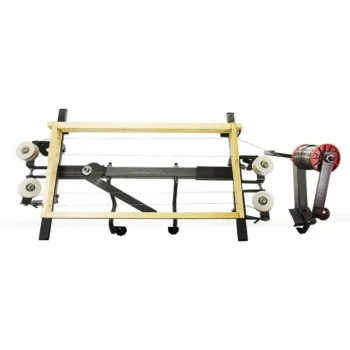
- Mini Desktop Bee Hive Frame Forming Making Machine
- HONESTBEE Wired and Assembled Wooden Bee Frames Foundation for a Thriving Hive
- Plastic Bee Frame Beekeeping Hive Frames for Wholesale
People Also Ask
- What are the technical advantages of using bee frames with plastic foundation? Boost Hive Efficiency and Durability
- When should frames with new foundation be given to colonies? Master Timing for a Thriving Hive
- How do you re-wax bee frames? A Simple Guide to Faster Comb Building
- What are bee frames and how are they sized? A Professional Guide to Standardization & Material Choice
- What types of bee frames can be cleaned and returned to service? A Guide to Safe Apiary Refurbishment