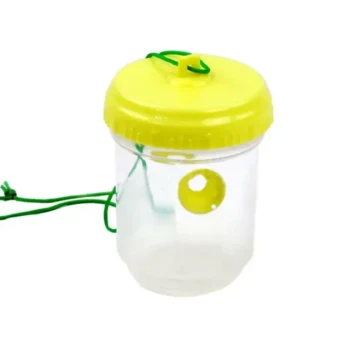
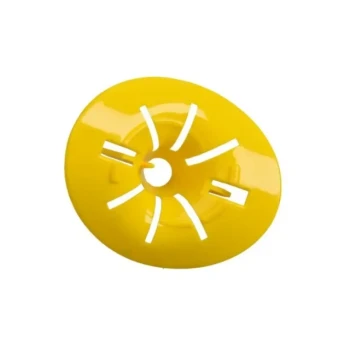
Beekeepers primarily utilize two distinct categories of pollen traps: the robust Sundance style and the economical front porch style. While both devices serve the same fundamental purpose—stripping pollen pellets from the legs of returning foragers using a specialized aperture—they differ significantly in placement, cost, and structural integration with the hive.
Beekeepers generally face a choice between the affordability and simplicity of front porch traps or the superior durability and integrated design of Sundance traps, which are tailored to specific hive dimensions.
The Sundance Trap Standard
Integrated Hive Design
Sundance traps are widely regarded as the high-quality standard for serious pollen collection. Unlike simple external attachments, these traps are designed to integrate seamlessly with the hive structure. They are available in both top-mounted and bottom-mounted configurations.
Dimensional Compatibility
Because these traps function as a structural component of the hive stack, fit is critical. Manufacturers produce specific models to match the dimensions of standard 8-frame and 10-frame equipment. This ensures a tight seal and proper alignment with the rest of the Langstroth hive components.
The Front Porch Alternative
Simplified Installation
As the name implies, front porch style traps are designed to be positioned directly at the hive's main entrance. This makes them significantly easier to install and remove compared to integrated systems that may require lifting hive boxes.
Cost and Accessibility
For beekeepers operating on a stricter budget or those testing pollen collection for the first time, front porch traps serve as a more affordable alternative. They provide the necessary functionality without the higher investment associated with Sundance models.
Strategic Purpose and Mechanism
The Collection Mechanism
Regardless of the style, all pollen traps operate on the same mechanical principle. They are installed at the entrance and utilize a specific aperture design (typically a mesh or grid). As worker bees squeeze through these openings to enter the hive, the aperture dislodges the pollen pellets stored on their legs, which then fall into a collection tray.
Economic and Nutritional Goals
Beekeepers utilize these traps to implement a diversified product strategy. Collecting pollen during peak blooming periods allows for two main outcomes:
- Economic Benefit: Selling high-nutrition pollen to consumers for its perceived health benefits.
- Colony Supplementation: Storing the pollen to feed back to the bees during periods where natural pollen production is insufficient.
Critical Considerations and Trade-offs
The Complexity Factor
While trapping can increase economic output, it adds a layer of complexity to hive management. It is generally suggested that new beekeepers avoid pollen trapping during their first few years.
Prioritizing Fundamentals
The focus for a novice should remain on mastering fundamental skills, such as helping bees build quality comb and successfully overwintering the colony. Introducing pollen traps too early can distract from these critical survival metrics.
Making the Right Choice for Your Goal
To select the appropriate equipment for your apiary, consider your current experience level and specific objectives:
- If your primary focus is durability and volume: Invest in a Sundance trap (top or bottom mount) that matches your specific frame count (8 or 10) for a high-quality, integrated solution.
- If your primary focus is budget or experimentation: Choose a front porch style trap for a low-cost, easy-to-install entry point into pollen collection.
- If your primary focus is learning beekeeping basics: Delay the purchase of pollen traps entirely and focus on colony health and overwintering survival before diversifying your production.
Select the tool that matches your experience level, ensuring you do not compromise colony health for the sake of a secondary harvest.
Summary Table:
| Feature | Sundance Style Trap | Front Porch Style Trap |
|---|---|---|
| Mounting | Integrated (Top or Bottom) | External (Hive Entrance) |
| Installation | Requires hive disassembly | Easy attachment/removal |
| Compatibility | Specific 8/10-frame sizes | Universal entrance fit |
| Durability | High-quality, robust build | Standard/Economic build |
| Ideal User | Commercial & serious apiaries | Beginners & budget-conscious |
| Price Point | Premium | Economical |
Maximize Your Harvest with HONESTBEE Beekeeping Solutions
At HONESTBEE, we empower commercial apiaries and distributors with the high-performance machinery and tools needed to scale production. Whether you are looking for precision-engineered Sundance-style pollen traps, specialized hive-making machines, or high-capacity honey-filling equipment, our comprehensive wholesale portfolio has you covered.
From essential consumables to honey-themed cultural merchandise, we provide the full spectrum of equipment to help your business thrive in the competitive beekeeping industry.
Ready to upgrade your apiary’s efficiency? Contact us today to explore our wholesale offerings!
Related Products
- Removable Plastic Pollen Trap With Ventilated Tray for Bees Pollen Collector
- 30 cm Plastic Entrance Hole Bee Pollen Trap and Collector
- Plastic Bee Pollen Trap Strips Comb Catcher Collector
- High-Efficiency Diamond Maze Bee Escape for Clearing Supers
- 8 Frame and 10 Frame Propolis Trap Collector Screen for Propolis Collection
People Also Ask
- What are the design principles and advantages of pollen traps in the collection of bee pollen? Boost Your Apiary Yield
- What is the function of professional pollen traps in evaluating honey plants? Quantifying Pollination and Crop Potential
- What functions do pollen traps serve for bee bread production? Optimize Your Raw Material Collection
- What maintenance and pest prevention measures should be taken for pollen traps? Protect Your Hive and Harvest Quality
- How does the use of pollen traps in honeybee hives enhance crop fertilization? Boost Your Yield Through Induced Activity