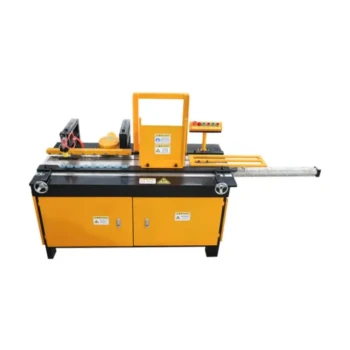
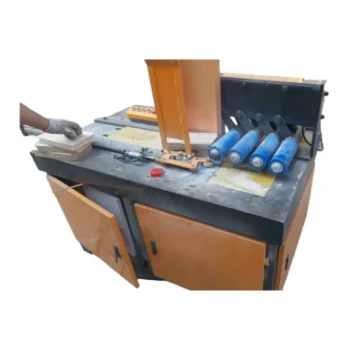
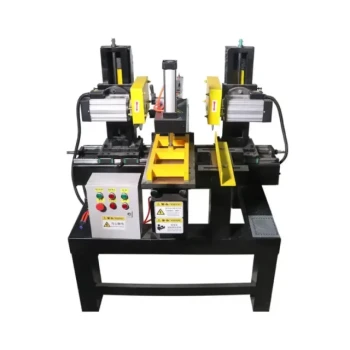
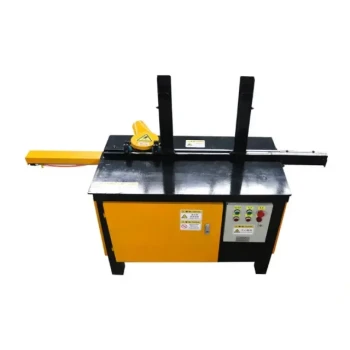
The primary processing advantages are speed, uniformity, and increased energy density. Industrial-grade splitting and crushing equipment rapidly transforms the dense branches of Amorpha fruticosa into consistent blocks or chips. This mechanical processing ensures a steady, reliable burn in specialized apiary equipment while significantly reducing overall operational costs through better resource utilization.
By converting raw forestry by-products into high-density, uniform fuel, industrial processing turns a difficult-to-handle material into a cost-effective and chemically efficient energy source for apiaries.
Enhancing Combustion Performance
Achieving Consistent Burn Rates
Raw branches often burn unpredictably due to irregular shapes and sizes. Industrial processing converts Amorpha fruticosa into uniform blocks or chips. This consistency eliminates temperature spikes and drops, ensuring the fuel burns steadily in apiary boilers or smokers.
Increasing Energy Density
The specific equipment described is designed to process dense wood effectively. By crushing and splitting the material, the energy density of the biomass is maximized. This means more heat output per volume of fuel, which is critical for maintaining stable temperatures in sensitive apiary environments.
Operational and Economic Benefits
Maximizing Resource Utilization
Using industrial equipment allows an apiary to fully utilize forestry by-products that might otherwise be discarded. This approach transforms waste material into a valuable asset, ensuring that every part of the harvested Amorpha fruticosa contributes to the operation.
Rapid Processing of Dense Wood
Amorpha fruticosa is known for its dense wood, which can be difficult to process manually. Industrial-grade machinery is specifically engineered to handle this density quickly and efficiently. This reduces the labor hours required to prepare fuel stocks.
Reducing Operational Costs
The efficiency gained from self-processing fuel directly impacts the bottom line. By producing high-quality fuel on-site from available by-products, apiaries can significantly lower their external fuel expenditures and general operational costs.
Understanding the Trade-offs
Equipment Maintenance Requirements
While industrial crushers handle dense wood effectively, the hardness of Amorpha fruticosa will eventually affect the machinery. Operators must anticipate regular maintenance of blades and crushing mechanisms to maintain the speed and uniformity of production.
Initial Capital Investment
The shift to industrial-grade equipment represents a capital expense. The long-term savings in fuel costs must be weighed against the upfront cost of the machinery. This solution is most effective for operations with a steady supply of biomass and consistent energy needs.
Making the Right Choice for Your Goal
To determine if this processing method aligns with your apiary's needs, consider your specific objectives:
- If your primary focus is Equipment Efficiency: Prioritize this method to generate uniform fuel chips that prevent clogging and ensure consistent temperatures in boilers and smokers.
- If your primary focus is Cost Reduction: Adopt this approach to monetize forestry by-products and eliminate the need to purchase commercial fuel sources.
Processing Amorpha fruticosa with industrial equipment effectively bridges the gap between raw forestry waste and high-performance energy application.
Summary Table:
| Advantage Category | Key Benefit | Impact on Apiary Operations |
|---|---|---|
| Combustion Quality | Uniform size and shape | Ensures stable temperatures and consistent burn rates |
| Energy Efficiency | Increased energy density | Higher heat output per volume of fuel consumed |
| Economic Impact | Waste-to-resource conversion | Lowers fuel costs by utilizing forestry by-products |
| Operational Speed | Rapid processing of dense wood | Significantly reduces labor hours for fuel preparation |
| Maintenance | Industrial-grade durability | Designed for the hardness of Amorpha fruticosa branches |
Maximize Your Apiary Productivity with HONESTBEE
At HONESTBEE, we empower commercial apiaries and distributors with the robust machinery needed to turn raw materials into operational assets. From high-capacity hive-making and honey-filling machines to specialized wood-processing equipment, we provide the full spectrum of tools required for modern beekeeping at scale.
Why partner with HONESTBEE?
- Wholesale Excellence: Access comprehensive equipment and industry consumables at competitive bulk pricing.
- Industrial Efficiency: Our machinery is designed to handle dense materials and high volumes, ensuring your operation stays profitable.
- Complete Portfolio: We supply everything from specialized hardware to honey-themed cultural merchandise.
Ready to upgrade your production line and lower your operational costs? Contact our expert team today to discuss our wholesale solutions and find the perfect equipment for your business.
References
- Edita Štefanić, Marija Edita Šolić. Common indigobush and its significance for beekeeping in the Republic of Croatia. DOI: 10.1080/0005772x.2005.11099652
This article is also based on technical information from HonestBee Knowledge Base .
Related Products
- Heavy Duty Stainless Steel Honeycomb Cutter
- HONESTBEE Premium Italian Style Hive Tool with Hardwood Handle
- HONESTBEE Professional Long Handled Hive Tool with Precision Cutting Blade
- Professional Rolling Wax Cutter with Ergonomic Handle
- HONESTBEE Top Bar & Bottom Bar Forming Machine | Bee Frame Machine
People Also Ask
- How is a comb cutter used to produce cut comb honey? Master the Art of Precision Harvesting
- Why is the comb-cutting technique preferred for Apis cerana queen rearing? Boost Success with Natural Bee Biology
- What is the cut comb honey method? A Guide to Pure, Artisanal Honey Production
- How is the cut comb method used to harvest honey? Master the Art of Premium Unprocessed Honey Production
- What is cut comb honey, and how is it prepared? Experience Honey in Its Purest Form