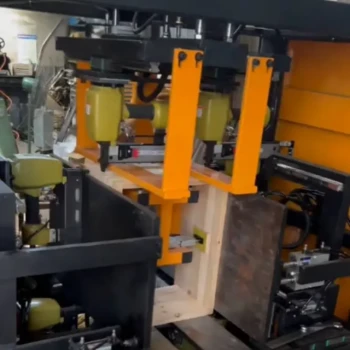
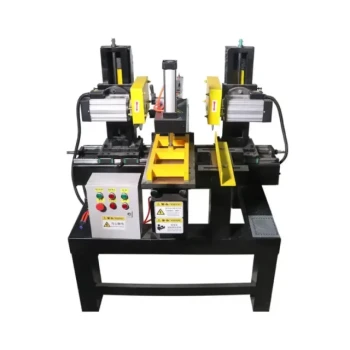
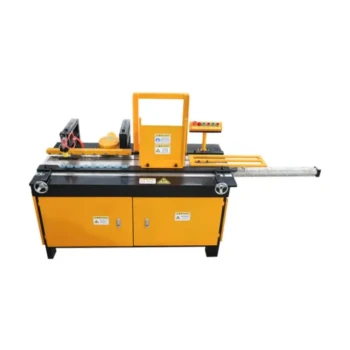
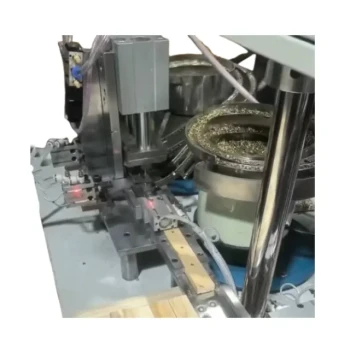
Automated beehive manufacturing equipment is the cornerstone of modern commercial apiculture, primarily because it guarantees the high-precision standardization required for large-scale operations. By ensuring every hive component features consistent dimensions, this technology solves the logistical bottlenecks of manual beekeeping, enabling seamless mechanized honey extraction and efficient colony migration.
Core Insight: The transition from manual to industrial beekeeping relies on hardware consistency. Automated manufacturing eliminates the physical variables in hive construction, serving as the necessary foundation for reducing operational costs, improving colony survival rates, and enabling true scalability.
The Operational Impact of Precision Engineering
Unlocking Mechanized Efficiency
The primary value of automated manufacturing lies in interchangeability. In a commercial setting, frames and hive bodies must fit perfectly into automated honey extractors and cleaning equipment.
If components vary even slightly due to manual manufacturing errors, machinery can jam or damage the combs. Precision-made components ensure smooth integration with downstream processing tools, significantly lowering labor costs and processing time.
Streamlining Logistics and Migration
Commercial apiaries often rely on migratory beekeeping, moving thousands of colonies to different pollination sites.
Standardized hives produced by automated equipment are designed for uniform stacking. This structural stability is essential for safe transport, allowing operators to maximize truck space and secure loads quickly without worrying about irregular fits or collapsing stacks.
Reducing Maintenance Friction
When specifications are exact, maintenance becomes modular. A broken component in one hive can be instantly replaced with a spare part that fits perfectly.
This eliminates the need for custom repairs or modifications in the field. Consequently, the unit maintenance cost decreases, as labor is spent on colony management rather than carpentry adjustments.
Biological Benefits and Colony Health
Improving Winter Survival Rates
Precision woodworking does more than just fit together; it creates superior seals. Automated equipment ensures airtightness and consistent insulation properties across all hive units.
By minimizing gaps that cause drafts, these hives provide better wind protection and thermal regulation. This directly contributes to higher survival rates for bee colonies during harsh winter conditions.
Enhancing Disease Control and Hygiene
Standardized equipment eliminates irregular spaces within the hive where pests often hide or where bees build "burr comb" (unwanted wax bridges).
By maintaining precise "bee space," the equipment promotes better hygiene. Furthermore, consistent hive environments allow breeders to accurately evaluate biological traits—such as hygienic behavior—without environmental interference caused by hardware inconsistencies.
Understanding the Trade-offs
The Rigidity of Standardization
While standardization drives efficiency, it creates a dependency on specific dimension protocols (such as Langstroth specifications). Once an apiary commits to mass-produced, standardized equipment, introducing non-standard or experimental hive designs becomes logically difficult and operationally costly.
Initial Infrastructure Shift
Adopting hives from automated lines represents a shift from low-cost, ad-hoc construction to a professionalized infrastructure model. While this reduces long-term operational costs, it requires a commitment to a uniform system where all hardware must align with the chosen industrial standard to maintain compatibility.
Making the Right Choice for Your Goal
To leverage automated manufacturing effectively, align your hardware choices with your specific operational targets:
- If your primary focus is Scalability and Processing: Prioritize equipment that guarantees compatibility with your specific brand of automated honey extractors to prevent bottlenecking during harvest.
- If your primary focus is Colony Health and Overwintering: Select manufacturing specifications that emphasize high-precision joinery and airtightness to maximize insulation and reduce thermal stress on the bees.
- If your primary focus is Migratory Beekeeping: Ensure the manufacturing standard focuses on structural stability and uniform external dimensions to facilitate safe, high-density stacking during transport.
By utilizing automated manufacturing equipment to enforce standardization, you convert the variable art of beekeeping into a predictable, scalable science.
Summary Table:
| Key Aspect | Benefit of Automated Standardization | Operational Impact |
|---|---|---|
| Equipment Fit | Perfect interchangeability of frames & bodies | Enables seamless mechanized honey extraction |
| Logistics | Uniform stacking dimensions | Maximizes transport safety & truck space efficiency |
| Colony Health | High-precision joinery & airtight seals | Enhances thermal regulation & winter survival rates |
| Maintenance | Modular component replacement | Reduces labor costs and eliminates custom repairs |
| Hygiene | Consistent "bee space" maintenance | Prevents burr comb and simplifies pest control |
Elevate Your Beekeeping Operation with HONESTBEE
At HONESTBEE, we understand that precision is the foundation of a profitable commercial apiary. We specialize in supporting commercial apiaries and distributors with a comprehensive wholesale portfolio designed for industrial-scale success.
Our offerings include:
- Advanced Machinery: High-precision hive-making and honey-filling machines.
- Premium Hardware: A full spectrum of standardized beekeeping tools and equipment.
- Essential Consumables: Every industry-standard supply needed to keep your colonies thriving.
- Cultural Merchandise: Unique honey-themed products to diversify your brand.
Whether you are scaling your colony count or optimizing your honey processing line, our team provides the hardware consistency you need to turn manual labor into a predictable, scalable science.
Ready to modernize your infrastructure? Contact us today to discuss your wholesale needs!
References
- Peter Šedík, Elena Horská. A Comparaison of Beekeeping Sectors between Slovakia and Romania. DOI: 10.15835/buasvmcn-hort:0021
This article is also based on technical information from HonestBee Knowledge Base .
Related Products
- Automatic High-Speed Bee Hive Box Stapling Machine
- High-Efficiency Pneumatic Bee Hive Making Machine for Rapid Box Assembly
- Mini Desktop Bee Hive Frame Forming Making Machine
- HONESTBEE Top Bar & Bottom Bar Forming Machine | Bee Frame Machine
- Beehive Machine Double End Saw for Precision Hive Component Manufacturing
People Also Ask
- How is the Bee Box machine adjusted for different box sizes? Maximize Your Woodworking Versatility and Precision
- How is the Bee Box machine operated? Optimize Your Commercial Hive Production with Scalable Staffing Solutions
- How was the Bee Box machine designed? Industrial Engineering for High-Volume Beekeeping Production
- What is the production capacity of the Bee Box machine? Boost Output up to 1,000 Boxes Daily
- What are the power requirements and control system for the Bee Box machine? Optimize Your Apiary Equipment Production