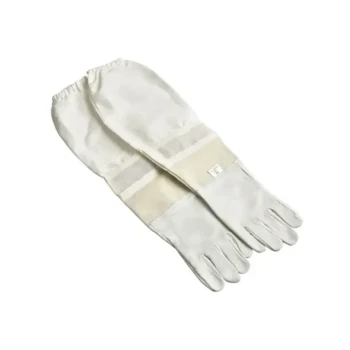
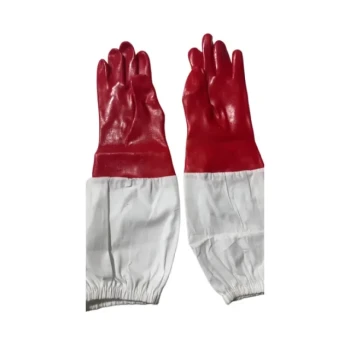
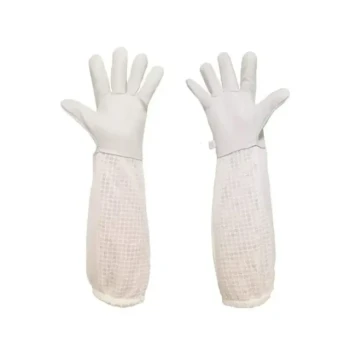
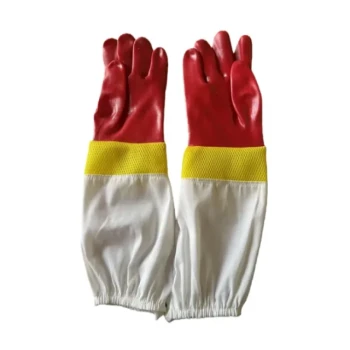
To prevent irreversible damage to leather beekeeping gloves, you must rely on slow, ambient air drying rather than artificial heat. Immediately after rinsing, pat the gloves with a towel to remove excess water, stuff them with newspaper to absorb internal moisture, and lay them flat in a cool, shaded area.
Core Principle: Leather is an organic material that becomes brittle when dehydrated rapidly. The goal of the drying process is to evaporate water slowly without stripping the natural oils that keep the material flexible and protective.
The Mechanics of Safe Drying
Preparing the Material
Before drying begins, you must ensure the leather is not soaking wet. Gently pat the gloves with a dry towel to wick away surface moisture. Do not wring or twist the leather, as this can warp the seams and stretch the damp skin.
Internal Moisture Management
Drying the inside of a glove is often more difficult than the outside. Stuff the gloves with crumpled newspaper immediately after towel-drying. The paper acts as a wick to draw moisture out from the fingertips while holding the glove open to encourage internal airflow.
Proper Positioning
Lay the gloves flat on a clean surface at room temperature. While hanging them is possible, laying them flat is the superior method for heavy wet leather, as it prevents gravity from stretching the material out of shape.
Critical Trade-offs and Pitfalls
The Destructive Impact of Heat
You must never use a mechanical dryer, radiator, or hair dryer. High heat sources force water to evaporate too quickly, causing the collagen fibers in the animal skin to tighten and snap. This results in stiff, brittle gloves that crack upon use, compromising your safety against stings.
The Risk of Direct Sunlight
Avoid placing the gloves in direct sunlight to speed up the process. Solar radiation acts similarly to high heat and can degrade the leather's surface. Always choose a shaded, well-ventilated area.
The Hidden Danger of Soap Residue
Ensure all soap is thoroughly rinsed away before drying begins. As noted in technical care guides, leftover soap residue can continue to break down oils as the water evaporates, causing the leather to dry out and crack even if you air-dry them correctly.
Restoring Flexibility Post-Drying
Replacing Lost Oils
Even with perfect drying techniques, water can displace some natural oils. Once the gloves are fully dry, apply a specialized leather conditioner. This restores suppleness and ensures the gloves remain pliable for your next inspection.
Ensuring Long-Term Durability
To maximize the lifespan of your protective gear, tailor your approach to your specific constraints:
- If your primary focus is maintaining shape: Stuff the gloves with newspaper immediately to prevent shrinking or warping during the evaporation process.
- If your primary focus is material longevity: strict avoidance of heat sources and sunlight is the single most important factor in preventing brittleness.
- If your primary focus is flexibility: Apply a conditioner immediately after the gloves have fully air-dried to replenish the oils lost during washing.
Patience during the drying phase is the only way to ensure your protective equipment remains safe and effective for the long term.
Summary Table:
| Drying Step | Recommended Action | Avoid These Mistakes |
|---|---|---|
| Preparation | Pat with dry towel; do not wring | Wringing or twisting |
| Internal Care | Stuff with newspaper for airflow | Leaving fingertips damp |
| Positioning | Lay flat at room temperature | Hanging or stretching |
| Environment | Cool, shaded, ventilated area | Direct sunlight or heaters |
| Post-Care | Apply leather conditioner | Ignoring dryness/stiffness |
Maximize Your Apiary's Efficiency with HONESTBEE
Protective gear is only as good as the care it receives. At HONESTBEE, we understand the demands of commercial beekeeping and provide the high-quality tools and consumables you need to succeed. Whether you are a large-scale commercial apiary or a distributor, we offer a comprehensive wholesale portfolio—from durable leather gloves and protective apparel to advanced honey-filling machinery and hive-making equipment.
Ready to upgrade your equipment or restock essential supplies? Contact us today to explore our full wholesale range!
Related Products
- Goatskin Leather Beekeeper Gloves with Vent Long Sleeve for Beekeeping Honey Bee Sting Proof Protection
- Beekeeping Gloves Goatskin Leather with Long Cotton Sleeve for Beekeepers
- Goat Skin Leather Bee Sting Proof Beekeeping Gloves with Canvas Sleeve
- Heavy Duty Red Rubber Beekeeping Gloves with Extended Pure Cotton Sleeves for Beekeepers
- Premium Ventilated Goatskin Beekeeping Gloves with Full 3-Layer Mesh Sleeve
People Also Ask
- What are the characteristics of goatskin beekeeping gloves? Enhance Dexterity and Protection in Your Apiary
- Why is it important to have gloves available even if not always worn? Essential Risk Management for Beekeepers
- What are the primary purposes of using beekeeping gloves? Protect Your Hands and Ensure Apiary Hygiene
- Why do some experienced beekeepers opt not to wear gloves? Discover the Benefits of Tactile Precision
- Why is it important for beekeepers to wear gloves? Essential Safety and Confidence for Hive Management