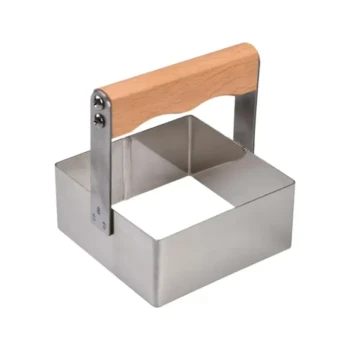
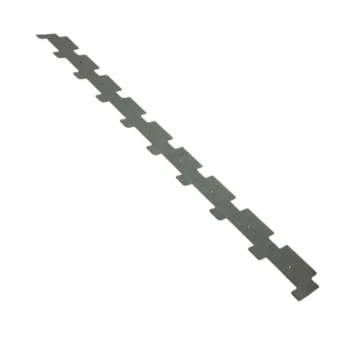
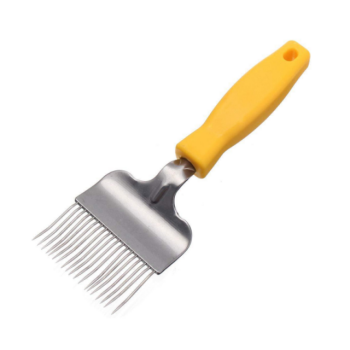
To properly collect an American Foulbrood (AFB) specimen for laboratory testing, you must harvest a sample of capped brood comb measuring approximately 10x15 centimeters. This procedure requires the use of high-precision cutting tools to preserve the integrity of the comb structure, and the sample must specifically include the most visibly affected areas of the hive.
The success of laboratory confirmation depends directly on the quality and location of the cut. A precise, sufficiently large sample from the center of the infection ensures the laboratory can extract enough larval remains or spores to perform definitive diagnostic tests.
Specimen Requirements for Accurate Diagnosis
Critical Dimensions
According to World Organisation for Animal Health (WOAH) standards, the sample must be substantial enough for testing. The required size is approximately 10x15 centimeters.
Targeting the Infection
Do not select a random section of the comb. You must identify and cut from the most visibly affected areas.
Sample Composition
The section removed must consist of capped brood comb. This is where the larval remains and spores necessary for diagnosis are located.
Tool Selection and Usage
The Necessity of Precision
You must use high-precision cutting tools for this procedure. Standard or blunt tools may crush the comb cells rather than slicing through them.
Ensuring Cut Integrity
The goal of using precision tools is to maintain the integrity of the cut. A clean cut prevents the destruction of the sample structure during removal.
The Laboratory Analysis Process
Extraction Needs
Laboratories require a specific volume of biological material to confirm the disease. The 10x15 cm size ensures there are sufficient larval remains or spores available for extraction.
Diagnostic Techniques
Once extracted, this material subjects the sample to three primary verification methods: microscopy, bacterial culture, or Polymerase Chain Reaction (PCR) analysis.
Critical Considerations and Pitfalls
Compounding Structural Damage
Using low-precision tools poses a significant risk. Crushing the comb can compromise the larval samples inside, making extraction difficult or impossible for the lab technicians.
Insufficient Biomass
Submitting a sample smaller than the recommended 10x15 cm dimension is a common failure point. If the sample is too small, there may not be enough biological material to run confirmatory tests like PCR.
Ensuring a Successful Submission
To maximize the chances of an accurate diagnosis, align your collection method with your specific limitations:
- If your primary focus is diagnostic certainty: Prioritize identifying and cutting the single most symptomatic area of the comb to ensure high spore counts for the lab.
- If your primary focus is sample quality: Ensure your cutting tools are exceptionally sharp and precise to prevent crushing the delicate capped brood during removal.
Adhering to these specific dimensions and tooling standards acts as the first line of defense in accurately diagnosing and managing American Foulbrood.
Summary Table:
| Requirement | Specification | Importance |
|---|---|---|
| Sample Type | Capped brood comb | Contains larval remains and spores needed for diagnosis |
| Sample Size | Approximately 10x15 cm | Provides sufficient biomass for PCR and bacterial culture |
| Target Area | Visibly affected/symptomatic areas | Ensures high spore counts for definitive confirmation |
| Tool Type | High-precision cutting tools | Prevents crushing comb cells and preserves sample integrity |
| Diagnostic Methods | Microscopy, Culture, or PCR | Requires clean, uncompromised biological material |
Protect Your Apiary with Professional-Grade Solutions
Managing disease outbreaks like American Foulbrood requires both precision and the right equipment. HONESTBEE supports commercial apiaries and global distributors with a comprehensive wholesale range designed for professional beekeeping.
From high-precision cutting tools for specimen collection to advanced machinery for hive-making and honey-filling, we provide the full spectrum of hardware and essential consumables to keep your operations efficient and healthy.
Need to scale your equipment or restock specialized tools? Contact us today to discover how HONESTBEE’s professional-grade portfolio can enhance your apiary's productivity and diagnostic accuracy.
References
- Yordan Hristov. Американският гнилец познат и все още непознат. DOI: 10.61308/ithf2702
This article is also based on technical information from HonestBee Knowledge Base .
Related Products
- Heart-Shaped Comb Honey Frame and Honeycomb Cassette
- Plastic Honey Comb Frames Cassette Box for Honey
- Heavy Duty Stainless Steel Honeycomb Cutter
- Heavy Duty Castellated Iron Frame Spacer for Honey Supers
- Professional Bent Tine Honey Uncapping Fork with Ergonomic Grip
People Also Ask
- How are honeybee combs utilized for non-destructive colony monitoring? Master Population Density Tracking
- What is a honeycomb frame? The Key to Modern, Sustainable Beekeeping
- What is the technical purpose of exchanging honeycomb frames? Master Apiary Equalization for Growth
- What frame to use for honeycomb? Choose the Right System for Pure, Edible Comb
- What is the significance of sampling honeycomb frames and hive bottoms? A Guide to Scientific Sanitation Monitoring