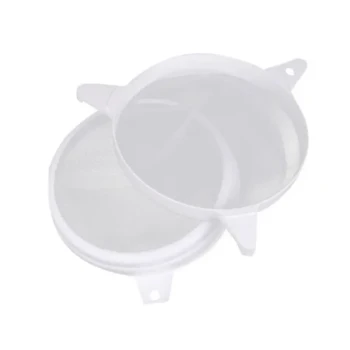
In a beehive gas sampling circuit, the two filter types perform distinct, complementary functions to ensure both hardware safety and data accuracy. The cellulose ester filter is installed at the sample inlet to physically block fine particulate matter, preventing contamination of the sensor array. In contrast, the activated carbon filter is located in the cleaning air channel to chemically scrub background gases, generating pure air necessary for restoring the sensor's baseline.
Effective gas sensing requires a dual approach: the cellulose ester filter preserves the physical integrity of the sensors, while the activated carbon filter ensures the logical integrity of the data by providing a clean reference point.
Protecting the Sensor Array
To maintain a functional system, the sensitive components must be shielded from the harsh physical environment inside a beehive.
The Function of the Cellulose Ester Filter
Positioned specifically at the sample gas inlet, this filter serves as the primary line of defense. Its role is to intercept fine particulate matter and potential impurities before they can enter the measurement chamber.
Preventing Physical Contamination
By trapping these solids, the filter protects the sensor array from physical contamination. Without this barrier, dust or hive debris could coat the sensors, leading to permanent damage or erratic readings.
Establishing a Clean Baseline
Beyond physical protection, the system requires a chemical "reset" mechanism to differentiate between hive gases and ambient air.
The Function of the Activated Carbon Filter
This filter is utilized exclusively in the cleaning air channel. Its specific function is to remove background gases and organic volatiles from the surrounding ambient air.
Restoring the Sensor Baseline
By scrubbing the intake air, the filter produces a "pure reference gas." This gas is used during the flushing phase to effectively restore the sensor baseline.
Enhancing Signal-to-Noise Ratio
Because the sensors are reset with purified air rather than dirty ambient air, the system achieves a higher signal-to-noise ratio. This ensures that the gas readings detected from the hive are accurate signals rather than background interference.
Operational Considerations and Trade-offs
While these filters are essential, they introduce maintenance variables that must be managed to sustain system performance.
Filter Saturation
Both filters are consumable components. The cellulose ester filter will eventually clog with particulates, potentially restricting airflow. Similarly, the activated carbon will eventually become saturated with volatiles, losing its ability to provide a clean reference.
Dependency on Cyclic Flushing
The effectiveness of the activated carbon filter is tied to the "flushing phase." If the flushing phase is too short or the filter is exhausted, the baseline restoration will fail, rendering subsequent data unreliable.
Optimizing Your Sampling Strategy
To ensure your beehive gas sampling circuit delivers reliable data, focus on the specific role of each component.
- If your primary focus is hardware longevity: Prioritize the regular inspection of the cellulose ester filter to prevent particulate buildup from fouling the sensor array.
- If your primary focus is data precision: Ensure the activated carbon filter is fresh and functional so that the baseline restoration phase utilizes truly pure reference gas.
By maintaining both filtration stages, you secure both the lifespan of your equipment and the validity of your scientific findings.
Summary Table:
| Filter Type | Primary Location | Key Function | Impact on System |
|---|---|---|---|
| Cellulose Ester | Sample Gas Inlet | Physical particulate filtration | Protects hardware from dust and debris contamination |
| Activated Carbon | Cleaning Air Channel | Chemical scrubbing of volatiles | Restores sensor baseline and improves signal-to-noise ratio |
Elevate Your Beekeeping Operations with HONESTBEE
Precision in gas monitoring is just one aspect of maintaining a thriving apiary. At HONESTBEE, we empower commercial apiaries and distributors with high-performance tools and machinery designed for the modern industry.
Whether you are looking for specialized beekeeping machinery like hive-making and honey-filling machines, or require a reliable wholesale partner for essential consumables and hardware, we have the expertise to scale your business.
Ready to optimize your apiary's efficiency and data accuracy?
Contact HONESTBEE Today to explore our comprehensive product portfolio and discover how our wholesale solutions can drive your success.
References
- Beata Bąk, J. Wilde. The Identification of Bee Comb Cell Contents Using Semiconductor Gas Sensors. DOI: 10.3390/s23249811
This article is also based on technical information from HonestBee Knowledge Base .
Related Products
- Nylon Honey Strainer Square Filter Cloth for Honey Filters
- Conical Nylon Honey Strainer Filter Bag for Beekeeping and Honey Filtration
- Two-Stage Plastic Honey Filter for Buckets
- Heavy-Duty Ergonomic Grip Galvanized Pollen Shovel
- Professional Stainless Steel Honey Filter with Support Handle
People Also Ask
- What is the significance of using professional filter cloths or sieves in honey processing? Ensure Purity and Quality
- What is the simple straining method for processing honey? A Cost-Effective Guide to Pure Extraction
- What cloth for straining honey? The Best Materials for Clean, High-Quality Honey
- What size mesh to strain honey? A Guide to the Standard Double-Sieve Method
- Why is specialized filter cloth preferred over the traditional squeezing method for wild honey? Achieve Higher Purity