Purchasing used beekeeping equipment represents a significant gamble, particularly for beginners who may lack the expertise to evaluate its safety and utility. While the lower price point is attractive, the potential for introducing disease into your apiary often outweighs the financial savings.
The most significant risk associated with secondhand equipment is the presence of persistent pathogens that can survive long-term storage and infect new colonies.
The Hidden Dangers of Secondhand Gear
The Threat of Lingering Disease
The primary argument against used equipment is biological. Pathogens that cause bee diseases can remain viable on woodenware and tools for extended periods.
Even if the equipment has been in storage for years, it may still harbor active contaminants. Using this gear can inadvertently wipe out your new colony before it has a chance to thrive.
Issues with Non-Standard Dimensions
Beekeeping relies on standardized equipment sizes to allow for interchangeable parts.
Used equipment, especially older or homemade items, may possess non-standard dimensions. This creates significant frustration when you attempt to add new frames or bodies later, as modern components may not fit.
Common Pitfalls to Avoid
The Difficulty of Valuation
Determining the fair market value of used gear is notoriously difficult for novices.
Without deep market knowledge, you risk overpaying for equipment that has little remaining functional life. Beginners often lack the context to judge if a price actually represents a deal.
Sourcing and Availability
Locating a reliable source for used equipment is often more trouble than it is worth.
Unlike retail stores with consistent inventory, the used market is sporadic. You may waste valuable time searching for a seller rather than focusing on colony management.
Making the Right Choice for Your Goal
If you are considering used equipment, you must prioritize the health of your bees above all else.
- If your primary focus is risk mitigation (Recommended): Avoid purchasing used equipment entirely to ensure your apiary starts with clean, standard, and pathogen-free gear.
- If your primary focus is budget optimization: You must demand an inspection certificate from a state apiary inspector confirming the equipment is disease-free before finalizing the purchase.
Start your beekeeping journey on a solid foundation by eliminating variables that could jeopardize your hive's survival.
Summary Table:
| Aspect | Used Equipment Risk | Recommendation |
|---|---|---|
| Disease Safety | High (Pathogens like AFB can survive years) | Buy new or demand an inspection certificate |
| Equipment Fit | Low Compatibility (Non-standard sizes) | Stick to standardized modern dimensions |
| Cost Value | Hard to evaluate; risk of overpaying | Compare with new wholesale pricing |
| Reliability | Sporadic availability and quality | Source from trusted commercial suppliers |
Secure Your Apiary’s Future with HONESTBEE
Don't gamble the health of your colonies on secondhand uncertainty. HONESTBEE provides commercial apiaries and distributors with the high-quality, pathogen-free equipment needed to scale successfully. From precision honey-filling machines to durable hive-making hardware and essential consumables, our comprehensive wholesale portfolio ensures your operation remains standardized and productive.
Ready to upgrade your equipment with a trusted industry partner?
Contact HONESTBEE Today for Wholesale Inquiries
Related Products
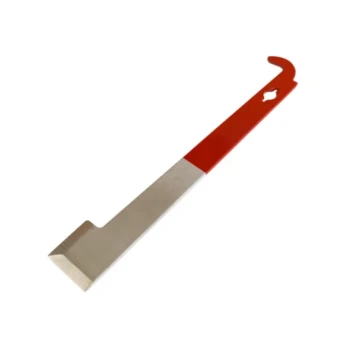
- Stainless Steel J Hook Hive Tool for Beekeeping
- HONESTBEE 15-in-1 Beekeeper Multi-Tool with Hammer and Pliers for Beekeeping
- HONESTBEE Classic Pry Bar Hive Tool with High Visibility Finish for Beekeeping
- Multi-Function Plier-Style Frame Grip Hive Tool
- Stainless Steel Queen Grafting Tool for Beekeeping and Bee Queen Grafting
People Also Ask
- What specific challenges do beekeeping hive tools address during hive maintenance? Essential Solutions for Apiaries
- What are the features of a J-hook hive tool? Effortlessly Lift Frames with Superior Leverage
- What is a J-hook hive tool and why is it favored by some beekeepers? Master Gentle Frame Handling
- What is the purpose of the J-hook hive tool? Effortlessly Lift Frames with Superior Leverage
- How is a J-hook hive tool designed and what is its primary use? Master Effortless Hive Inspections