The primary risk of external feeding during a nectar dearth is the immediate incitement of robbing behavior. By placing sugar syrup outside the hive, you create a scent beacon that attracts a high volume of competing insects and robber bees from other colonies. This exposure triggers significant distress within your hives, elevates defensive aggression, and frequently leads to the destruction of weaker colonies by agitated, scavenging bees.
Core Takeaway In times of resource scarcity (dearth), scent management is the key to apiary survival. External feeding creates an artificial resource competition that creates a "feeding frenzy," turning your own apiary into a battlefield where strong colonies inevitably destroy the weak.
The Mechanics of Induced Robbing
The Scent Beacon
During a dearth, natural nectar is scarce, making colonies desperate and highly sensitive to the smell of sugar.
External feeding broadcasts a strong signal to every stinging insect in the vicinity that food is available.
This effectively paints a target on your apiary, drawing in predators and robbers that would otherwise forage elsewhere.
The Feeding Frenzy Cycle
Open feeding, even when placed 200 to 300 feet away from the apiary, creates a high-energy "frenzy" environment.
Once the external feeder is depleted, the agitated bees do not simply return to their hives; they remain in a heightened state of searching.
They will immediately seek the nearest food source, which is often the honey stores of your weaker, less defensible colonies.
Vulnerabilities of Specific Methods
Entrance Feeder Risks
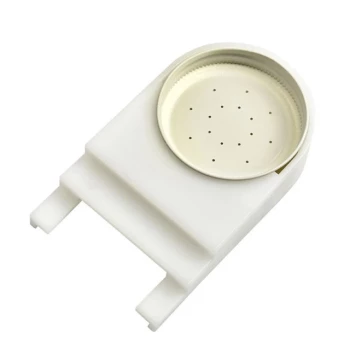
Entrance feeders are particularly dangerous during a dearth because they position food at the colony's front door.
This area is difficult for guard bees to defend effectively against a swarm of intruders.
Because the food is accessible from the outside, it invites foragers from other colonies directly into the hive entrance, often sparking a fatal invasion.
The Danger of Aromatic Additives
Adding supplements with aromatic oils or stimulants to your syrup exacerbates the risk significantly.
These strong scents act as a "dinner bell," making the syrup even more enticing to robber bees.
To reduce visibility to robbers, you should avoid all scented additives when natural nectar is not flowing.
Understanding the Trade-offs
Convenience vs. Colony Security
The perceived benefit of open feeding is often convenience—filling one large container rather than individual hives.
However, this method is fundamentally inefficient and creates more management problems than it solves.
The "ease" of external feeding is negated by the high probability of losing colonies to robbing and the stress placed on your bees.
The Strategic Advantage of Internal Feeding
Mimicking Natural Storage
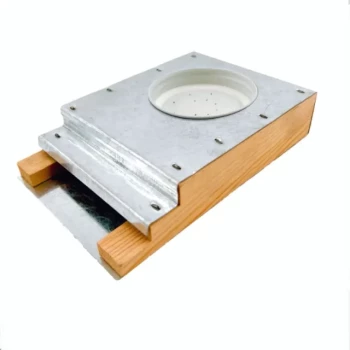
Top feeders (internal feeders) are the superior choice during a dearth because they place food where honey is naturally stored.
This allows the bees to process and guard the resources in a manner consistent with their natural instincts.
Enhanced Defensibility
Internal feeders force any potential robber to enter the main entrance and traverse the entire hive to reach the syrup.
This forces intruders to bypass thousands of bees, making the food source significantly more secure.
It allows the colony to maintain strength and focus on survival rather than constant perimeter defense.
Making the Right Choice for Your Goal
To ensure your colony survives the dearth without inducing self-destructive behavior, follow these guidelines:
- If your primary focus is Colony Security: Use top-mounted internal feeders to keep food scent contained within the hive and away from robbers.
- If your primary focus is preventing Robbing: Strictly avoid entrance feeders and refrain from adding aromatic oils or stimulants to your syrup.
- If your primary focus is Apiary Management: Avoid open feeding entirely, as the resulting frenzy often leads to the loss of weaker hives.
Feed your bees from the inside out to ensure their energy is spent on survival, not warfare.
Summary Table:
| Feeding Method | Risk Level | Primary Hazard | Best Used For |
|---|---|---|---|
| External/Open Feeding | High | Triggers robbing frenzies & predator attraction | Not recommended during dearth |
| Entrance Feeders | High | Compromises hive defense at the door | Small nuclei in low-risk seasons |
| Internal Top Feeders | Low | Scent containment & easy defensibility | Resource scarcity & dearth survival |
| Aromatic Additives | Extreme | Acts as a scent beacon for robbers | Only during heavy natural nectar flows |
Secure Your Apiary’s Success with HONESTBEE
Don't let a nectar dearth turn your apiary into a battlefield. At HONESTBEE, we specialize in supporting commercial apiaries and distributors with the high-quality tools needed to manage honeybees safely and efficiently.
Whether you need specialized internal feeding systems, advanced honey-filling machines, or durable hive-making equipment, our comprehensive wholesale portfolio is designed to enhance your operational productivity. From professional-grade machinery to essential industry consumables, we provide the hardware that keeps your colonies thriving and your business growing.
Ready to upgrade your beekeeping operations? Contact us today to explore our full spectrum of wholesale equipment and cultural merchandise tailored for industry leaders.
Related Products
- HONESTBEE Entrance Bee Feeder Professional Hive Nutrition Solution for Beekeeping
- HONESTBEE Entrance Bee Feeder Efficient Hive Front Liquid Feeding Solution for Beekeeping
- HONESTBEE Professional Entrance Bee Feeder Hive Nutrition Solution
- HONESTBEE Professional Hive Top Bee Feeder Feeding Solution
- HONESTBEE Round Hive Top Bee Feeder for Syrup
People Also Ask
- What types of bee feeders are available for beginners? Start with the Simple Entrance Feeder
- What are the advantages and disadvantages of using an entrance feeder for bees? Balance Convenience and Hive Security.
- What is a bee entrance feeder and what are its drawbacks? Essential Guide to Hive Security and Feeding Efficiency
- How does a bee entrance feeder work? A Simple Guide to Convenient Hive Feeding
- How to make an entrance feeder for bees? A DIY Guide for Safe & Effective Feeding