Sub-lethal pesticide and fungicide exposure can damage a colony without causing immediate adult bee mortality. These chemicals may reduce queen-rearing quality, impair larval development and survival, and contaminate or reduce the nutritional value of stored beebread. Specialized equipment helps by controlling queen-rearing conditions, supplying cleaner nutrition, detecting colony stress, and reducing bees’ dependence on contaminated forage.
The central risk is not only dead bees—it is weakened colony reproduction. Dedicated queen-rearing systems, hygienic feeding equipment, monitoring tools, and rapid hive-movement capabilities can reduce exposure and help commercial operators identify and correct damage before it becomes colony failure.
How Sub-Lethal Exposure Disrupts Colony Reproduction
Queen rearing may decline before obvious mortality appears
Sub-lethal exposure can impair the quality of queen production even when adult workers remain active. Poor queen development may lead to weaker queens, reduced mating success, poor colony organization, or premature queen replacement.
This creates a serious operational risk because queen failure affects the entire colony rather than a single individual. Cohort research cited in the reference material found that colonies experiencing a queen event had a relative risk of 3.1 for death within 50 days compared with colonies without such an event.
Larval development can be weakened
Pesticide and fungicide residues may enter the hive through contaminated nectar, pollen, water, or plant material. These exposures can interfere with larval development and reduce brood survival.
The result may be uneven brood patterns, reduced population growth, and less reliable production of replacement queens. These effects are especially damaging in commercial operations that depend on predictable queen and package-bee output.
Stored beebread may lose nutritional value
Beebread is a major source of protein and other nutrients for developing brood. When pollen is contaminated or its nutritional value is degraded, nurse bees may be unable to provide larvae with consistently adequate food.
This can weaken brood development even when food stores appear sufficient. The distinction matters: quantity of feed does not guarantee nutritional quality.
How Exposure Can Affect the Wider Colony
Worker behavior and navigation may deteriorate
Sub-lethal pesticide exposure has been associated with impaired learning, memory, olfactory response, navigation, homing, and foraging behavior. Fungicide exposure may also contribute to chemical stress and interactions with other environmental pressures.
Affected workers may forage less efficiently or fail to return reliably. This reduces the colony’s ability to collect uncontaminated nutrition and maintain population strength.
Immune and stress resistance may decline
Chemical stress can weaken overall colony resilience and may impair immune function. A colony under nutritional and chemical stress is less able to tolerate additional pressures such as disease, parasites, poor weather, or queen failure.
For beekeepers, this means that exposure management should be treated as a colony health program, not merely as a response to visible poisoning.
Brood losses can become a commercial supply problem
Poor brood survival reduces the number of workers available for honey production, pollination, queen care, and colony expansion. For queen producers and distributors, it can also reduce the availability and consistency of saleable queens and nucleus colonies.
This is why reliable equipment sourcing matters. A one-stop supplier can help operators standardize feeding, queen rearing, inspection, and replacement workflows across multiple apiaries.
Equipment That Protects Queen Rearing and Brood Development
Protective queen cell cups create a controlled rearing environment
Queen cell cups help organize and protect developing queen cells during grafting and cell finishing. Used as part of a controlled queen-rearing system, they reduce handling damage and improve consistency between batches.
They do not remove chemical exposure by themselves. Their value is greatest when combined with clean nutrition, careful hygiene, and placement in colonies or mating units selected for lower exposure risk.
Grafting tools improve precision
Grafting tools allow operators to transfer young larvae accurately and with minimal disturbance. Consistent grafting supports standardized queen-rearing procedures and helps identify whether poor results are caused by technique, nutrition, colony condition, or environmental exposure.
Precision tools are especially important for commercial producers managing repeated production cycles. They also reduce avoidable variation when multiple staff members or facilities are involved.
Queen mating nucs separate critical stages
Queen mating nucs provide smaller, manageable units for mating and early queen evaluation. They allow beekeepers to monitor queen acceptance, mating success, laying patterns, and early brood quality before committing a queen to a full production colony.
This separation can limit the operational impact of a failed queen. It also enables rapid replacement when exposure or other stressors produce poor queen performance.
Clean feeding equipment supplies controlled nutrition
Internal division-board feeders, top feeders, and other dedicated feeding systems can provide clean sugar syrup and pollen supplements inside the hive. This reduces the colony’s immediate dependence on potentially contaminated nectar and pollen during periods of agricultural spraying or poor forage quality.
Feeding equipment should be easy to clean, accurately sized, and designed to minimize leakage, robbing, and contamination. Consistent delivery is more valuable than simply increasing feed volume.
Pollen traps support monitoring and input control
Pollen traps can help operators collect incoming pollen for observation, testing, or controlled use. They may provide useful information about forage quality and the timing of potentially contaminated pollen flows.
However, pollen trapping should be managed carefully. Excessive pollen removal can reduce the colony’s own nutritional resources, so collection must be balanced against brood-rearing demand and supported with appropriate supplementation where necessary.
Monitoring Equipment Helps Detect Hidden Damage
Hygienic hive bases make mortality measurable
Multi-functional baseplates and hygienic inserts can facilitate the collection of dead bees for inspection or laboratory analysis. They also make it easier to observe signs associated with poisoning, such as extended mouthparts or splayed wings.
Standardized collection improves the quality of comparisons between colonies and apiary locations. It gives operators evidence for deciding whether to move hives, adjust feeding, or investigate nearby agricultural activity.
Inspection tools support early queen assessment
Professional hive tools and diagnostic equipment help beekeepers inspect queen presence, brood pattern, cell condition, and colony population. Regular inspections can detect queen failure before the colony becomes critically weak.
Early detection is particularly important because queen events can sharply increase colony mortality risk. A replacement queen or nuc can be introduced while the colony still has enough workers to recover.
Environmental records strengthen decisions
Monitoring should include local spraying schedules, crop location, abnormal mortality, brood condition, and forage availability. Honey, pollen, or dead-bee testing may help identify harmful plant-protection products when laboratory analysis is available.
The purpose is not only documentation. Good records help determine when to provide clean feed, when to move colonies, and when to communicate with growers or agricultural authorities.
Reducing Exposure Beyond the Hive
Mobile units can enable rapid hive relocation
Mobile beekeeping units and isolation facilities allow operators to move colonies away from agricultural areas during high-risk application periods. Relocation reduces direct exposure to treated crops and can lower mortality risk among foragers.
This approach requires advance coordination, suitable sites, transport capacity, and reliable equipment. It is most effective when supported by accurate information about spraying schedules and local forage conditions.
Protective equipment safeguards personnel
Beekeeping protective equipment is primarily intended to protect workers handling colonies affected by agricultural chemicals. Gloves, veils, clothing, and appropriate cleaning procedures reduce the chance of direct contact during inspections or hive movement.
Personnel protection does not substitute for colony exposure management. It is one part of a broader operational response.
Clean inputs should be treated as a controlled supply chain
Feed, pollen supplements, replacement queens, cell cups, and other inputs should be sourced, stored, and handled to reduce contamination risk. For distributors and commercial apiaries, traceable product quality and dependable delivery are operational advantages, especially during short intervention windows.
A supplier offering a full equipment portfolio can simplify procurement and help standardize practices across different apiary sites.
Understanding the Trade-offs
Equipment reduces risk but cannot eliminate exposure
Feeders, queen cups, nucs, and monitoring bases are mitigation tools, not chemical barriers. They cannot prevent all residues from entering a hive, and they cannot reverse damage that has already occurred.
Their effectiveness depends on timing, hygiene, colony management, and the quality of the replacement feed or pollen provided.
Supplementary feeding must be balanced
Clean syrup and pollen supplements can reduce forage dependence during contaminated periods. However, feeding does not fully replicate the diversity and biological value of natural forage, and excessive intervention can create management and storage challenges.
The goal is targeted nutritional support during risk periods, not permanent substitution without assessment.
Pollen trapping can create nutritional pressure
Pollen traps may help collect samples and reduce the entry of some contaminated pollen, but they also remove a resource the colony needs. Overuse can worsen nutritional stress and undermine brood development.
Operators should monitor brood condition, pollen stores, and colony strength before deciding how aggressively to trap pollen.
Relocation carries logistical and biological costs
Moving colonies can reduce exposure, but transport may disturb colonies and requires suitable alternative forage or feeding. The decision should consider the likely chemical risk, distance from treatment areas, colony strength, weather, and available relocation sites.
Standardization matters more than isolated products
Buying one specialized tool will not solve a queen-rearing or pesticide-exposure problem. The strongest results come from an integrated system combining controlled rearing, clean feeding, inspection, monitoring, and rapid response.
How to Apply This to Your Operation
Choose equipment according to the exposure risk, colony objective, and speed of intervention required.
- If your primary focus is queen production: Use protective queen cell cups, precise grafting tools, and queen mating nucs to standardize rearing and isolate queen performance problems early.
- If your primary focus is brood protection: Combine clean internal or top feeders with controlled pollen supplementation to reduce dependence on potentially contaminated forage.
- If your primary focus is exposure detection: Use hygienic hive bases, inspection tools, mortality records, and laboratory testing of appropriate samples to identify chemical stress promptly.
- If your primary focus is commercial continuity: Source queen-rearing, feeding, monitoring, and protective equipment through a responsive supplier that can provide consistent quality, rapid fulfillment, and technical support.
- If your primary focus is acute spraying risk: Track agricultural activity and prepare mobile units or isolation facilities so colonies can be moved before high-risk applications.
- If your primary focus is workforce safety: Provide appropriate protective equipment and handling procedures for personnel inspecting or relocating exposed colonies.
With the right combination of controlled queen rearing, clean nutrition, monitoring, and rapid response, beekeepers can reduce the reproductive and brood-development consequences of sub-lethal pesticide and fungicide exposure.
Summary Table:
| Risk | Impact | Mitigation Equipment |
|---|---|---|
| Queen rearing decline | Reduced queen quality, higher colony mortality | Queen cell cups, grafting tools, mating nucs |
| Impaired larval development | Uneven brood, reduced population | Clean feeders, pollen supplements |
| Nutritional degradation of beebread | Poor brood nutrition | Pollen traps, feeding equipment |
| Foraging and navigation impairment | Reduced foraging efficiency | Hive relocation, monitoring tools |
| Immune and stress resistance decline | Increased susceptibility to diseases | Hygienic hive bases, inspection tools |
Protect your apiary's reproductive health with our specialized beekeeping equipment. From queen rearing systems to hygienic feeders and monitoring bases, we offer a full spectrum of solutions to mitigate chemical exposure risks. Contact us today for a tailored consultation and ensure the vitality of your colonies. Get in touch with HONESTBEE.
Related Products
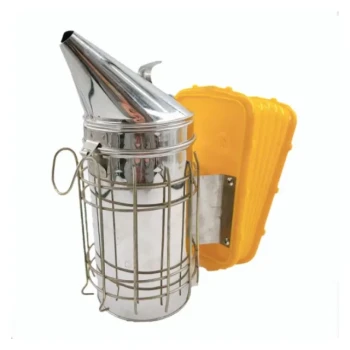
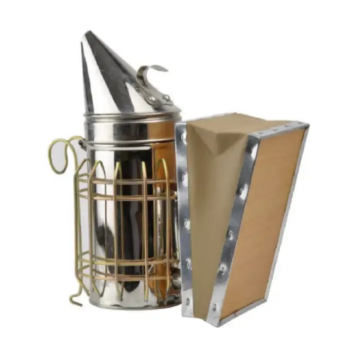
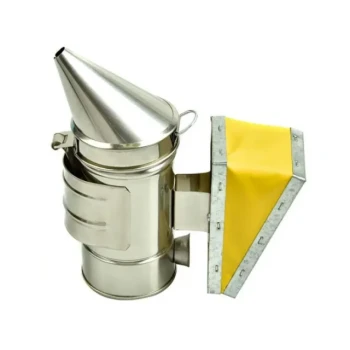
- Professional Bee Smoker with Elongated Spout and Durable Bellows for Beekeeping
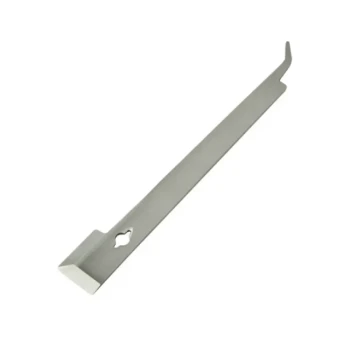
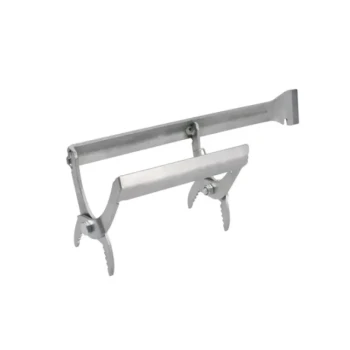
- HONESTBEE Professional Mini J-Hook Hive Tool for Beekeeping
- Queen Bee Artificial Insemination Instrument Equipment for Instrumental Insemination
- Stainless Steel J Hook Hive Tool for Beekeeping
- Stainless Steel Queen Grafting Tool for Beekeeping and Bee Queen Grafting
People Also Ask
- What roles do bee smokers and precision tools play in honey harvesting? Master Safety and Quality Control
- Why is the use of professional bee smokers and specialized fuel essential? Protect Honey Purity & Colony Safety
- Why is a professional bee smoker considered an essential tool for hive management and safety? Master Colony Control.
- How do professional bee smokers facilitate bee management? Enhancing Forest Beekeeping Safety and Efficiency
- Why is a professional Smoker essential during routine apiary inspections? Enhance Safety and Operational Efficiency