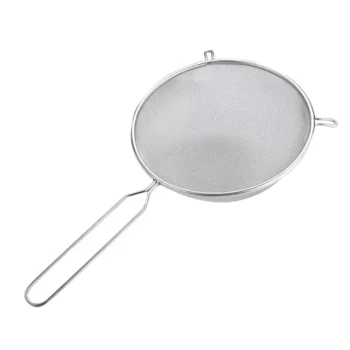
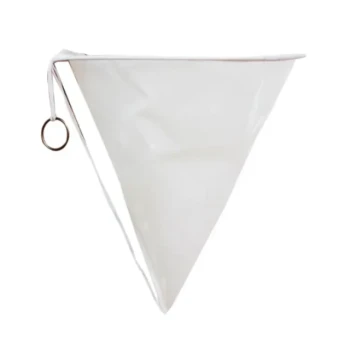
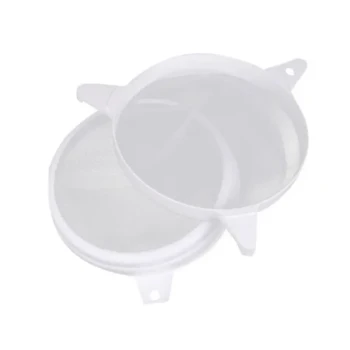
The requirements for organic honey filtration prioritize "gentle" physical separation over the aggressive ultrafiltration common in conventional processing. Industrial equipment for organic lines must utilize multi-stage, high-precision filters and food-grade stainless steel to remove impurities like beeswax while strictly preserving the honey's natural enzymes, bioactive components, and original flavor profile.
Organic honey filtration requires a specialized balance of high-precision temperature controls and gentle physical separation to ensure the final product meets strict purity standards without sacrificing nutritional integrity. For distributors, sourcing equipment that supports these specific certifications is essential for serving high-end and medical-grade markets.
Key Technical Distinctions in Organic Filtration
Prioritizing Physical Integrity over Ultra-Refinement
Conventional honey processing often employs fine or ultrafiltration to achieve extreme clarity and prevent crystallization indefinitely. In contrast, organic processing mandates gentle physical filtration, which removes wax and debris while leaving pollen and beneficial compounds intact. This ensures the honey retains its "raw" characteristics, which is a primary selling point for B2B wholesalers.
Preserving Bioactive Components
Organic honey is valued for its enzymatic activity and therapeutic properties. Industrial systems must use precision-controlled filtration that avoids high-pressure or high-heat environments that could denature these delicate proteins. By maintaining the honey’s biological fingerprint, suppliers can provide high-value products for pharmaceutical and health-conscious consumer markets.
Multi-Stage Precision Systems
To achieve high clarity without aggressive processing, organic lines utilize multi-stage filtration units. These systems gradually remove larger particles like beeswax residues before moving to finer meshes. This staged approach prevents clogging and ensures a consistent flow rate, which is critical for maintaining ultra-fast delivery and efficient order fulfillment in large-scale operations.
Material and Design Standards for Organic Certification
Food-Grade Stainless Steel Construction
To prevent contamination from metal ions or oxidation, all organic filtration equipment must be constructed from high-grade, food-quality stainless steel. This material choice is non-negotiable for maintaining organic certification and ensuring the long-term stability of the product. It also facilitates easier cleaning and sanitization, reducing the risk of batch cross-contamination.
Support for Classified Extraction
Organic standards are strict regarding the source of the honey; for instance, extraction from combs containing larvae is prohibited. Industrial filtration systems must be part of a workflow that supports classified extraction, ensuring that only honey from "clean" combs enters the processing line. This meticulous level of purity is what separates premium organic offerings from conventional commodities.
Integrated Degassing and Moisture Control
Organic honey must remain stable throughout its shelf life without the use of chemical preservatives. High-end equipment incorporates temperature-controlled degassing units to remove microscopic air bubbles and excess moisture. This prevents fermentation and spoilage, ensuring the honey maintains its sensory consistency from the factory to the end-consumer.
Understanding the Trade-offs
Filtration Speed vs. Nutrient Retention
The primary trade-off in organic processing is the speed of filtration. Because organic methods avoid high-pressure ultrafiltration, the process can be slower than conventional methods. Distributors must account for this by sourcing high-capacity industrial systems that use larger surface areas for filtration to maintain throughput without increasing pressure.
Clarity and Crystallization
Because organic filtration leaves more natural particles (like pollen) in the honey, the product may crystallize faster than conventional "syrup-style" honey. While this is a sign of authenticity and quality, it requires distributors to educate their clients on proper storage. Using controlled thermal treatment during filtration can help delay this process without damaging the honey’s active components.
Sourcing the Right Equipment for Your Portfolio
Strategic Recommendations for B2B Buyers
Selecting the right filtration partner is critical for maintaining a competitive edge in the organic market. As a distributor or wholesaler, your goal is to provide solutions that offer both compliance and operational efficiency.
- If your primary focus is Medical-Grade Purity: Prioritize systems with high-precision temperature sensors and multi-stage stainless steel filters to ensure the retention of therapeutic bioactives.
- If your primary focus is High-Volume Wholesale: Invest in automated, large-scale filtration units that integrate moisture control and degassing to ensure long-term shelf stability and rapid order fulfillment.
- If your primary focus is Organic Certification Compliance: Ensure all components are certified food-grade stainless steel and designed for "gentle" physical separation to meet international organic standards.
By aligning your equipment sourcing with these specific organic requirements, you ensure a premium product that meets the rigorous demands of today’s high-end honey market.
Summary Table:
| Feature | Organic Honey Filtration | Conventional Honey Processing |
|---|---|---|
| Primary Method | Gentle physical separation | Aggressive ultrafiltration |
| Nutrient Retention | Preserves pollen and enzymes | Often removes bioactive compounds |
| Material Standard | High-grade food-quality stainless steel | Standard industrial-grade materials |
| Key Component | Multi-stage precision mesh | High-pressure refining units |
| Product Goal | Raw, therapeutic characteristics | Extreme clarity and long shelf-life |
Scale Your Wholesale Success with HONESTBEE
As a leading partner for commercial apiaries and B2B distributors, HONESTBEE offers a comprehensive one-stop sourcing solution for high-precision honey processing. Our full-spectrum portfolio ranges from honey-filling machines and specialized filtration hardware to essential consumables and cultural merchandise.
- Maximize Profit Margins: High-efficiency machinery designed for premium organic standards.
- Reliable Supply Chain: Ultra-fast delivery and efficient order fulfillment to meet high-volume demands.
- Expert Support: Deep professional industry expertise to help you navigate certification and technical requirements.
Ensure your portfolio stands out with equipment that guarantees purity and performance. Contact HONESTBEE for a Wholesale Quote today!
References
- Fatih Bilici, Nebi Seren. A Study on Consumers' Knowledge of Distinguishing Natural and Organic Honey. DOI: 10.24925/turjaf.v13i3.545-552.7182
This article is also based on technical information from HonestBee Knowledge Base .
Related Products
- Electric Double Wall Honey Filtering Machine Purifier Equipment for Honey Processing Plant
- 0.5T Capacity Honey Dehumidifier Dryer with Vacuum Heating and Thickening Filtering Machine
- Honey Concentrating and Filtering Dehumidifier Machine 2T Capacity for Honey
- Professional Honey Filter with Tripod Support Stand
- Professional Stainless Steel Honey Filtering Machine with Water Bath Heating for Beekeeping
People Also Ask
- What is the process of filtering honey? A Guide to Clean, Pure, and Market-Ready Honey
- What types of equipment are used in honey filtering? Build an Efficient System for Pure, Marketable Honey
- What is the overall importance of using the right equipment in honey filtering? Boost Quality & Marketability
- What steps are involved in maintaining honey filtering equipment? A Guide to Protecting Your Honey Quality
- What is a potential concern associated with filtering honey? Balancing Clarity and Pollen Preservation