Honey processing is a systematic workflow designed to transform raw honeycomb into a clean, consistent, and shelf-stable product. The process fundamentally revolves to four distinct phases: extraction via centrifugal force, filtration to remove physical impurities, homogenization to ensure uniformity, and final packaging for consumer distribution.
The Core Takeaway Effective honey processing is a balance between purification and preservation. The goal is to remove contaminants like wax and debris without overheating the honey, which preserves its natural enzymes, flavor profile, and nutritional value.
The Extraction Phase
Uncapping and Preparation
Before extraction can begin, the honeycombs must be prepared. This often involves a grading table to separate dark from light combs, ensuring flavor profiles remain distinct. The wax caps sealing the cells are removed (uncapped) to expose the liquid honey.
Centrifugal Separation
Extraction is the mechanical removal of honey from the comb. Frames are placed in a specialized extractor that spins at high velocities. This centrifugal force throws the liquid honey out of the wax cells without destroying the comb structure.
Purification and Refinement
Gravity Settling
Once extracted, the honey is often pumped into a settling tank. Here, gravity does the heavy lifting: air bubbles rise to the top, while heavier particles like large wax fragments and debris sink to the bottom. This pre-clearing step reduces the load on finer filters later in the process.
Filtration
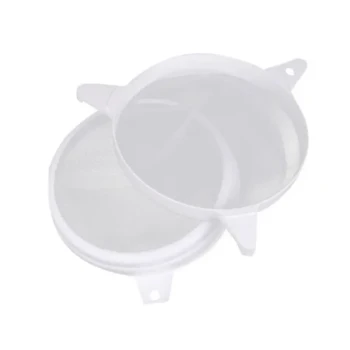
Filtration is critical for creating a consumer-grade product. The honey passes through a series of fine nylon or metal mesh filters (often around 100 mesh). This removes visible impurities, such as beeswax particles, pollen clumps, and other particulate matter.
Thermal Regulation
To facilitate filtration, the honey is often subjected to gentle heating. Raising the temperature slightly lowers the honey's viscosity (fluidity), allowing it to pass through filters more efficiently.
Dehumidification
Excess water content can lead to fermentation. Processing often includes a dehumidification or vacuum concentration step. This removes surplus moisture to ensure the honey remains stable and does not spoil during storage.
Standardization and Packaging
Homogenization
Homogenization is the process of blending honey to achieve consistency. Because honey characteristics can vary between hives or harvest times, large batches are mixed to ensure uniform color, moisture content, and flavor across the entire production run.
Final Packaging
The processed honey is transferred from storage tanks to jars or bulk containers. This step must be executed in a clean environment to prevent re-contamination before the product enters the distribution chain.
Understanding the Trade-offs
Heat vs. Enzymatic Activity
The most critical trade-off in honey processing is temperature control. While heating aids filtration and prevents immediate crystallization, excessive heat (pasteurization) can degrade natural enzymes and volatile aromatics. High-quality processing uses the minimum heat necessary to maintain fluidity without altering the honey's chemical properties.
Filtration Clarity vs. Pollen Content
High-pressure filtration creates a visually clear, "polished" product that appeals to many consumers. However, aggressive filtration can remove microscopic pollen grains, which some consumers value for potential health benefits and origin tracing.
Making the Right Choice for Your Goal
Whether you are designing a processing line or evaluating a product, the processing method determines the end quality.
- If your primary focus is Commercial Shelf Stability: Prioritize robust filtration and vacuum dehumidification to prevent crystallization and fermentation.
- If your primary focus is Artisanal Quality: Minimize heating and utilize gravity settling rather than high-pressure pumps to preserve enzyme activity.
Ultimately, the best processing method is one that achieves purity and consistency while respecting the delicate biological properties of the raw ingredient.
Summary Table:
| Stage | Key Process | Objective |
|---|---|---|
| Extraction | Uncapping & Centrifugal Separation | Remove raw honey from wax combs using high-velocity spinning. |
| Purification | Gravity Settling & Filtration | Remove wax, debris, and impurities to create a clear, consumer-grade product. |
| Regulation | Thermal Heating & Dehumidification | Lower viscosity for filtration and remove excess moisture to prevent spoilage. |
| Standardization | Homogenization & Blending | Mix batches to ensure uniform color, moisture, and flavor across production. |
| Finishing | Final Packaging | Secure honey in jars or bulk containers in a sterile environment for distribution. |
Elevate Your Honey Production with HONESTBEE
Are you looking to scale your honey processing or source premium beekeeping equipment? HONESTBEE specializes in serving commercial apiaries and distributors with high-performance solutions.
From specialized honey-filling and hive-making machines to a full spectrum of beekeeping tools and industry consumables, we provide the hardware and expertise needed to achieve superior purity and consistency. Our portfolio also includes honey-themed cultural merchandise to help you expand your brand presence.
Maximize your apiary’s efficiency and product quality today.
Related Products
- Two-Stage Plastic Honey Filter for Buckets
- Professional Stainless Steel Honey Filtering Machine with Water Bath Heating for Beekeeping
- Honey Concentrating and Filtering Dehumidifier Machine 2T Capacity for Honey
- Double Wall Honey Heating Stirring Homogenizer Mixing Machine with Various Capacity
- Heavy Duty Stainless Steel Honey Processing Machine Decrystallizing Tank
People Also Ask
- What are the benefits of using honey filters? Achieve Purity, Efficiency, and Market Appeal
- How do you filter raw honey at home? A Beekeeper's Guide to Clean, Pure Honey
- Should I filter my honey? A Guide to Clarity, Crystallization & Quality
- What are the types of honey filters? Choose the Right System for Your Honey's Clarity & Quality
- Why do people filter honey? For Clarity, Stability, and Consumer Appeal