Using a honey refractometer requires a precise sequence of calibration, sample preparation, and visual analysis to accurately measure moisture content. The process involves ensuring the device and honey are at the same temperature, applying a thin layer of honey to the prism without air bubbles, and reading the optical scale against a light source.
Core Insight: The most critical variable in refractometry is temperature equilibrium. Since the refractive index of honey changes with heat, ensuring both the honey and the device are at the same ambient temperature is essential for preventing skewed data that could lead to spoiled harvests.
Preparation and Calibration
Calibrate the Device
Before testing your honey, you must establish a baseline. Use the calibration fluid (often distilled water or specific reference oil) provided with your device to ensure the scale reads zero or the reference point accurately.
Equalize the Temperature
Ensure that both the refractometer and the honey sample are at the same ambient room temperature. If the honey is significantly warmer or colder than the prism, the light refraction will be distorted, resulting in an inaccurate reading.
Homogenize the Sample
If you are testing honey from a jar or bucket, the moisture content may vary between the top and bottom layers. Stir the honey thoroughly to create a uniform sample before extracting a drop for testing.
Taking the Measurement
Apply the Honey
Place a small amount of honey onto the glass prism plate. You need just enough to cover the surface thinly; using too much can create a mess and make it difficult to close the cover plate properly.
Eliminate Air Bubbles
Close the daylight plate (panel) over the honey. Gently wiggle or press the panel to spread the honey across the prism and, most importantly, to remove any trapped air bubbles. Air pockets will interfere with light refraction and ruin the reading.
Focus and Read
Hold the refractometer up to a bright light source (sunlight or a bright lamp) and look through the eyepiece. If the scale appears blurry, twist the focal adjuster until the numbers are sharp. Identify the line where the blue and white fields meet and record the water percentage (moisture content).
Common Pitfalls to Avoid
Misinterpreting the Scale
Many refractometers display multiple scales, such as Brix (sugar content) and moisture percentage. Beekeepers must specifically read the water content scale, which generally reads between 13% and 25%.
Ignoring Moisture Limits
The primary goal is to prevent fermentation. Honey with high water content can ferment into "baker’s honey," which has a sharp, yeasty acetic acid taste and cannot be sold as standard table honey.
Improper Cleaning
Leaving honey on the prism can damage the surface or obscure future readings. Immediately after use, clean the device using a damp cloth. Do not submerge the device in water.
Making the Right Choice for Your Goal
To use this data effectively, you must compare your reading against industry standards:
- If your primary focus is Long-Term Storage: Aim for a moisture content below 17-18% to virtually guarantee the honey will not ferment over time.
- If your primary focus is Legal Compliance for Sales: Ensure your reading is strictly below 21% (or your local limit), as anything higher is often legally classified as "baker's honey" and subject to sales restrictions.
Precision in this process is the difference between a shelf-stable product and a wasted harvest.
Summary Table:
| Step | Action | Key Requirement |
|---|---|---|
| 1. Calibration | Use reference fluid | Ensure scale starts at the correct baseline |
| 2. Temperature | Equalize honey & device | Prevents distorted light refraction |
| 3. Application | Apply thin honey layer | Avoid air bubbles for a clear reading |
| 4. Measurement | Focus & read scale | Identify the blue/white line (Moisture %) |
| 5. Cleaning | Wipe with damp cloth | Do not submerge; protects prism surface |
Elevate Your Honey Quality with HONESTBEE
Precision is the backbone of a successful beekeeping operation. At HONESTBEE, we empower commercial apiaries and distributors with the professional-grade tools needed to ensure every harvest meets global standards. From high-accuracy honey refractometers to industrial-scale honey-filling machines and specialized hive-making equipment, our comprehensive wholesale portfolio covers your entire production chain.
Don't let high moisture content spoil your harvest. Contact HONESTBEE today to access premium beekeeping machinery and essential consumables designed for growth. Let's optimize your apiary's efficiency together!
Related Products
- Digital Honey Refractometer for Precision Measurement of Optimal Honey Quality
- Precision Honey Refractometer Instrument for Quality Assessment
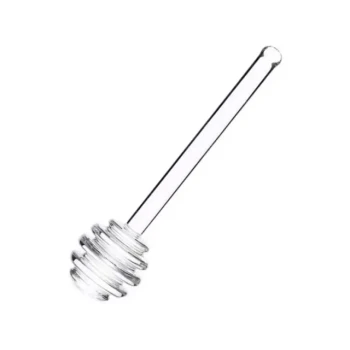
- Premium Heat-Resistant Glass Honey Dipper
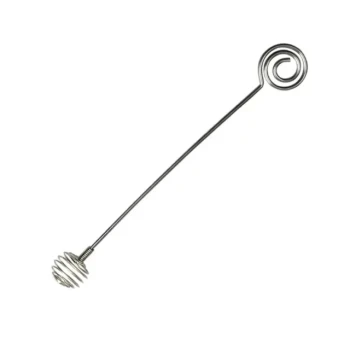
- Modern Stainless Steel Honey Dipper Stirrer
- Heavy Duty 304 Stainless Steel Honey Dipper
People Also Ask
- What role do high-precision refractometers play in determining the maturity and quality of honey? Ensure Honey Purity.
- Do the color and viscosity of honey affect its refractometer reading? Mastering Moisture Measurement Accuracy
- What is a honey refractometer? The Essential Tool for Perfect Honey Quality
- How is the reading taken from a honey refractometer? A Guide to Accurate Moisture Measurement
- Why is a honey refractometer considered essential for commercial beekeepers? Ensure Honey Quality and Profitability