Modern frame hives revolutionize organic honey production by introducing a standardized, movable internal architecture that allows for non-destructive harvesting. Unlike traditional methods that require the destruction of the honeycomb to extract resources, modern frames allow beekeepers to remove honey while leaving the colony’s structure intact, enabling immediate reuse of the comb and significantly boosting production efficiency.
The distinct advantage of the modern frame hive is the conservation of biological energy. By preserving the wax comb during harvest, the colony is spared the resource-intensive task of rebuilding, allowing bees to redirect that energy almost exclusively toward nectar collection and honey storage.
The Mechanism of Yield Amplification
The primary technical shift in modern apiculture is the transition from static to dynamic hive management. This structural change directly correlates to quantifiable increases in honey output.
Preservation of Comb Integrity
In traditional hives, harvesting is often a destructive event where the honeycomb is crushed or cut out. Modern hives utilize removable frames that can be centrifuged to extract honey and returned to the hive empty but intact. This cyclical reuse is the foundation of high-efficiency production.
Biological Energy Reallocation
Bees consume a significant amount of honey and energy to secrete wax for comb building. By eliminating the need to rebuild combs after every harvest, modern hives drastically reduce the colony's energy expenditure. This energy is immediately reallocated to foraging and nectar processing.
Quantifiable Production Gains
The impact of this energy conservation is measurable in yield data. While traditional hives typically support two harvests annually with yields of 4.8 to 6 kg, modern frame systems support up to three harvests. This results in average yields exceeding 10.66 kg, with optimized systems frequently reaching 20–30 kg per hive.
Quality Control and Purity
For organic production, maintaining the purity of the product is as critical as the volume. Modern hive design offers superior control over internal hive hygiene.
Separation of Brood and Storage
Modern systems allow for the physical separation of the brood chamber (where larvae are raised) and the honey supers (where honey is stored). This modularity ensures that harvested honey is free from larval matter or brood by-products, resulting in higher clarity and purity.
Environmental Stabilization
These hives are engineered to provide a scientifically optimized micro-environment. The structural design maintains stable temperature and humidity levels, which are essential for proper honey maturation. This isolation from external impurities ensures the final product meets rigorous organic standards.
Operational Efficiency and Colony Health
Beyond yield, the technical features of modern hives facilitate a more humane and sustainable management style, which is essential for organic certification.
Non-Destructive Inspection
Removable frames allow beekeepers to inspect the health of the colony, check for diseases, or monitor the queen without destroying the nest. This capability allows for precise, daily management and early intervention, which is impossible in fixed-comb traditional hives.
Reduced Bee Mortality
Harvesting from traditional hives can be traumatic and lethal for many bees due to structural collapse or crushing. The standardized spacing and movable frames of modern hives significantly reduce bee mortality and stress during both inspection and harvest.
Understanding the Operational Requirements
While the technical advantages are clear, adopting modern frame hives requires a shift in management philosophy.
The Necessity of Active Management
The high yields associated with modern hives are not automatic; they result from the "scientifically optimized" environment the hives provide. This requires the beekeeper to engage in precise routine inspections and frame manipulation. Unlike traditional "set and forget" methods, modern frames require skilled human intervention to maximize the potential of the colony.
Making the Right Choice for Your Goal
Deciding to upgrade to modern frame hives depends on the specific metrics you aim to improve in your apiary.
- If your primary focus is Commercial Volume: Switch to modern frames to utilize the "super" system, which expands storage space and can triple your annual harvest frequency compared to traditional methods.
- If your primary focus is Organic Certification: Leverage the physical separation capabilities of modern hives to ensure your honey remains distinct from the brood nest, guaranteeing the clarity and purity required for high-quality standards.
By decoupling the harvest process from hive destruction, modern frame hives turn beekeeping from a resource-draining cycle into a high-efficiency energy loop.
Summary Table:
| Feature | Traditional Hives | Modern Frame Hives | Benefit to Organic Production |
|---|---|---|---|
| Harvest Method | Destructive (comb removal) | Non-destructive (centrifuged) | Immediate comb reuse & bee safety |
| Honey Yield | ~4.8 - 6 kg per year | 10.66 - 30+ kg per year | Significantly higher commercial ROI |
| Purity Control | Mixed brood/honey area | Separate honey supers | High clarity & organic purity |
| Colony Health | High stress/mortality | Low stress/easy inspection | Better disease monitoring & welfare |
Elevate Your Apiary with Professional-Grade Solutions
Maximize your honey yields and ensure organic purity with HONESTBEE. As a premier partner for commercial apiaries and distributors, we provide the technical edge you need to scale your operations.
Why Partner with HONESTBEE?
- Comprehensive Wholesale Range: From advanced hive-making and honey-filling machinery to high-efficiency frame systems.
- Total Equipment Supply: A full spectrum of beekeeping tools, durable hardware, and essential industry consumables.
- Custom Merchandise: Unique honey-themed cultural products to enhance your brand's market presence.
Ready to transform your production efficiency? Contact us today to discuss your wholesale needs and see how our expertise can grow your business.
References
- Benyam Tadesse, Zelalem Adimasu. Factors influencing organic honey production level and marketing: evidence from southwest Ethiopia. DOI: 10.1016/j.heliyon.2021.e07975
This article is also based on technical information from HonestBee Knowledge Base .
Related Products
- Wooden Bee Hive Frames for Beekeeping and Wholesale
- Plastic Bee Frame Beekeeping Hive Frames for Wholesale
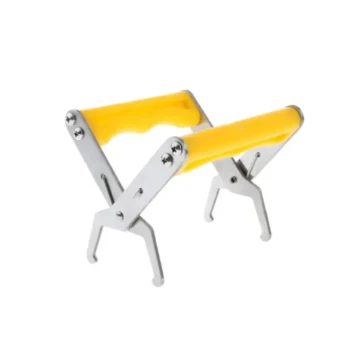
- Ergonomic High Visibility Plastic Frame Grip Handles
- Professional Galvanized Steel Frame Rest for Beehives
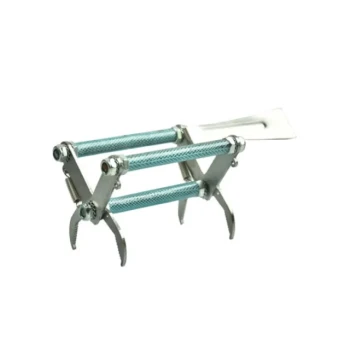
- Professional 3-Bar Frame Grip with Integrated Hive Tool
People Also Ask
- How does balancing the number of frames impact hive productivity? Optimize Your Apiary's Biological Output
- How do wooden and plastic hive frames compare in terms of durability? Wood vs. Plastic Longevity & Repairability
- What are the main considerations when choosing between wooden and plastic bee hive frames? Optimize Your Apiary's Efficiency
- How should beehive frames be maintained to prolong their lifespan? 5 Pro Tips for Durable Beekeeping Equipment
- What are frames and combs used for in beekeeping? The Foundation of Modern Hive Management