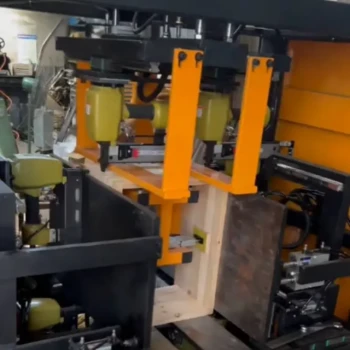
Standardized modern box hives transform beekeeping from a traditional gathering activity into a scalable industrial process. Unlike traditional log hives, these modern designs offer technical superiority through modular components that allow for interchangeability, precise internal space allocation, and streamlined colony splitting—the critical factors required for transitioning to large-scale commercial production.
While traditional log hives rely on the irregularities of natural timber, standardized box hives introduce engineering precision to the apiary. They are the fundamental hardware required to decouple honey production from the unpredictability of nature, enabling consistent colony multiplication and non-destructive management.
Operational Scalability and Standardization
Modular Interchangeability
Modern hives utilize a modular industrial design. This allows parts from one hive to fit perfectly onto another, simplifying inventory management.
If a specific component fails, it can be replaced instantly without discarding the entire hive. This interchangeability is essential for managing thousands of colonies efficiently.
Scientific Internal Space Allocation
Unlike the random hollows of log hives, modern boxes feature regulated internal volumes. This design is based on the biological requirements of the bees.
By optimizing the space, you force the colony to organize brood and food stores efficiently. This directly translates to higher output per cubic centimeter of hive space.
Standardized Colony Splitting
The most significant barrier to scaling is the speed of colony reproduction. Modern hives facilitate artificial colony multiplication (splitting) through layered or framed designs.
This allows you to divide one colony into two or more without harming the sensitive brood area. It creates a predictable "production line" for increasing your livestock, which is impossible with irregular log hives.
Enhanced Colony Management and Health
Visualized Monitoring
Modern designs allow for "visualized management." You can inspect the colony's internal dynamics, such as the queen's health and honey storage levels, without destroying the nest structure.
Precision Pest Control
Pests are a primary cause of colony collapse in stingless bees. The controlled environment of a box hive facilitates easier routine inspections and immediate intervention.
Gaps and entrances can be managed precisely to exclude predators. This level of defense is difficult to achieve in rotting or irregular logs.
Resilience During Dearth Periods
Because inspections are non-destructive, you can accurately monitor food stores during seasons with no flowers (dearth periods).
This allows for precise supplementary feeding. Colonies in modern hives have higher survival rates during these stress periods compared to those in traditional hives where food levels are a mystery.
Maximizing Production Efficiency
Non-Destructive Harvesting
Traditional harvesting often requires breaking the nest, which kills brood and contaminates honey. Modern hives separate the brood zone from the honey zone.
This enables the extraction of honey without harming the bees or the honeycomb structure. The result is a significant increase in honey purity and hygiene.
Energy Conservation and Yield
When honeycombs or pots are returned intact after harvesting, bees do not need to rebuild them. This saves the colony immense amounts of energy.
Instead of consuming resources to produce wax and cerumen for reconstruction, the bees focus immediately on refilling the cells. This cycle significantly increases the honey yield per season.
Understanding the Trade-offs
Thermal Insulation Challenges
Traditional logs often provide thick, natural insulation against extreme heat. Modern boxes, if built with thin walls, may require additional shading or insulation materials to match the thermal stability of a log.
Initial Capital Expenditure
Log hives are often free or low-cost resources found in nature. Standardized hives represent an upfront capital investment in hardware, requiring a clear business plan to justify the ROI through increased efficiency.
Making the Right Choice for Your Goal
Transitioning to modern equipment is an investment in control and predictability. Here is how to align this technology with your specific objectives:
- If your primary focus is Rapid Expansion: Prioritize modular hives that feature layered separation to make artificial colony splitting fast and low-risk.
- If your primary focus is High-Quality Honey: Choose hives with removable frames or honey supers that separate food storage from the brood to ensure maximum hygiene and purity.
Standardized hives are not just containers; they are the essential infrastructure that turns stingless bee keeping into a viable, scalable enterprise.
Summary Table:
| Feature | Traditional Log Hives | Standardized Box Hives |
|---|---|---|
| Design Type | Irregular natural timber | Modular industrial engineering |
| Scalability | Low (non-interchangeable) | High (fully interchangeable parts) |
| Colony Splitting | High risk & slow | Fast & predictable (layered design) |
| Inspection | Destructive/Limited | Visualized & non-destructive |
| Harvesting | Destroys nest/honey pots | Clean separation of honey/brood zones |
| Honey Purity | High risk of contamination | Superior hygiene & purity |
| Survival Rate | Variable (mystery food levels) | Higher (precision monitoring/feeding) |
Scale Your Apiary with HONESTBEE Precision Equipment
Transitioning from traditional logs to industrial-grade infrastructure is the key to unlocking commercial success in stingless bee farming. HONESTBEE specializes in empowering commercial apiaries and distributors with the high-performance tools needed for this evolution.
Our comprehensive wholesale range includes:
- Standardized Modern Hives: Engineered for easy colony splitting and maximum honey purity.
- Advanced Machinery: From precision hive-making equipment to high-efficiency honey-filling machines.
- Industry Consumables: A full spectrum of beekeeping tools and hardware designed for durability.
Whether you are expanding a professional operation or supplying the industry, our expertise ensures you achieve higher yields and consistent colony growth. Contact HONESTBEE today to discuss your wholesale requirements and let us help you build a more productive beekeeping enterprise.
References
- Lucio Alberto Pat Fernández, Rodimiro Ramos Reyes. Condición y perspectivas de la meliponicultura en comunidades mayas de la reserva de la biósfera Los Petenes, Campeche, México. DOI: 10.19130/iifl.ecm.2018.52.939
This article is also based on technical information from HonestBee Knowledge Base .
Related Products
- Modern Flat-Mount Hive Number Set for Beekeeping
- 5 Frame Wooden Nuc Box for Beekeeping
- 4 Frame Plastic Nuc Boxes for Beekeeping Bee Nuc Box
- Metal Bee Hive Stand Bee Box Stand for Beekeeping
- Plastic Transporting Bee Packages and Nuc Boxes for Beekeeping
People Also Ask
- What are the primary advantages of modern beekeeping hives? Scale Your Apiary with Industrial Efficiency
- What is the impact of regular technical extension contact on the management of modern beekeeping hives? Enhance Hive Efficiency
- What are the structural and management advantages of modern beekeeping hives? Scale Your Honey Yields Today
- Why should the promotion of modern beekeeping hives be integrated with professional beekeeping tool kits and technical support?
- Why do forest beekeepers consider transitioning from traditional bark hives? Modernizing for Sustainable Yields