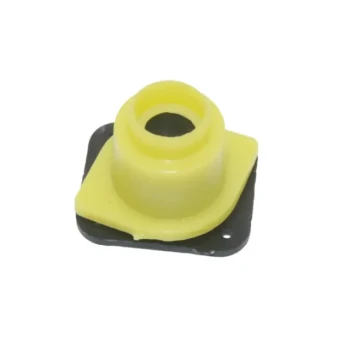
Triple-row staggered Wide Cell-Bars offer a dramatic increase in production efficiency by utilizing geometric space optimization to triple the number of queen cell cups per bar compared to standard single-row designs. This specific configuration maximizes the utilization of available hive volume and increases royal jelly output per unit of time, all without impeding the critical nursing behaviors of worker bees.
By shifting from a linear to a staggered geometric layout, you can triple your production capacity within the same physical footprint. This approach optimizes hive volume for maximum royal jelly yield while ensuring nurse bees retain the access necessary for colony health.
Maximizing Hive Volumetric Efficiency
The Power of Staggered Geometry
Traditional single-row bars utilize space linearly, leaving significant vertical and horizontal volume unused. Triple-row bars employ geometric space optimization to reclaim this area.
By staggering the rows, the design fits more components into the same footprint. This allows you to fit three distinct rows of cups where a single linear row would typically dictate the limit.
Tripling Production Density
The most distinct technical advantage is the massive increase in density. According to the primary reference, this layout achieves three times the production density of traditional bars.
This means for every frame inserted into the hive, you are technically capable of rearing three times the number of larvae. This directly translates to higher output without requiring additional hive boxes or equipment.
Balancing Density with Accessibility
Maintaining Nurse Bee Access
A common concern with high-density setups is that they might crowd out the bees responsible for care. However, the triple-row staggered design is engineered to maintain appropriate spacing.
The layout specifically accounts for the physical space required for normal worker bee nursing activities. This ensures that despite the higher density, the biological needs of the developing larvae are not compromised by overcrowding.
Improved Yield Per Unit of Time
Because the colony can service more cups simultaneously within the same hardware, the efficiency of the operation improves significantly.
This setup improves the efficiency of royal jelly production per unit of time. You are effectively getting more product for the same duration of hive placement.
Understanding the Operational Trade-offs
Assessing Colony Strength
While the physical bar can hold three times the cups, the biological limitation becomes the colony's resources.
Tripling the cup count triples the demand on the nurse bees to produce jelly. You must ensure your colonies are populous and well-fed enough to support this sudden increase in demand, or the "technical" advantage will be lost to biological limitations.
Handling Complexity
The reference notes that this system does not substantially increase the difficulty of operation, but it does imply a need for precision.
Working with a denser bar requires careful handling to avoid damaging the increased number of fragile cells. The margin for error during grafting and harvesting is naturally tighter when the workspace is more crowded.
Making the Right Choice for Your Apiary
To decide if this equipment upgrade aligns with your production goals, consider your current capacity and targets.
- If your primary focus is maximizing commercial yield: Implement triple-row staggered bars to leverage geometric optimization for a 300% potential increase in production density per frame.
- If your primary focus is operational transition: verify that your current colony population density is sufficient to service the increased cup count before switching from single-row bars.
The technical superiority of the triple-row staggered bar lies in its ability to convert wasted air space into productive biological real estate.
Summary Table:
| Feature | Single-Row Cell Bars | Triple-Row Staggered Wide Cell-Bars |
|---|---|---|
| Production Density | Standard (1x) | High (3x) |
| Space Optimization | Linear / Limited | Geometric / Max Volumetric |
| Yield per Frame | Lower | 300% Potential Increase |
| Worker Bee Access | Standard | Optimized Staggered Spacing |
| Ideal Application | Small-scale / Starters | High-Volume Commercial Apiaries |
Maximize Your Apiary's Commercial Yield with HONESTBEE
Ready to scale your royal jelly production? HONESTBEE specializes in empowering commercial apiaries and distributors with high-performance beekeeping tools and machinery. From triple-row staggered Wide Cell-Bars that optimize your hive space to advanced honey-filling machines and specialized hardware, we provide the full spectrum of equipment needed to drive efficiency.
Our comprehensive wholesale offering ensures you have access to both essential industry consumables and cutting-edge hive-making technology. Let us help you convert wasted space into productive biological real estate and grow your business.
Contact our team today to discuss your wholesale needs
References
- Mohamed Ali. Relationship Between Number of Grafted Queen Cell Cups and Amount of Produced Royal Jelly in Honey Bee Colonies Apis mellifera L.. DOI: 10.21608/eajbsa.2017.12651
This article is also based on technical information from HonestBee Knowledge Base .
Related Products
- Premium Nicot Style Cell Bar Holder and Queen Cell Cup Holder System
- JZBZ Type Wide Base Plastic Queen Cell Cups for Base Mounting and Queen Rearing
- JZBZ Langstroth Queen Rearing Frame for Beekeeping
People Also Ask
- What roles do specialized queen cell cups play in royal jelly production? Optimize Your Hive's Secretion and Yield
- What role do specialized queen rearing tools play in developing mite-resistant honeybee stock? Master Genetic Selection
- What materials are used to make artificial queen cell cups for grafting? Beeswax vs. Plastic Guide
- Why is a diluted royal jelly solution applied to queen cell cups? Boost Acceptance in Artificial Grafting
- How does the standardized depth of queen cell cups affect larval acceptance? Boost Success with 6mm Precision