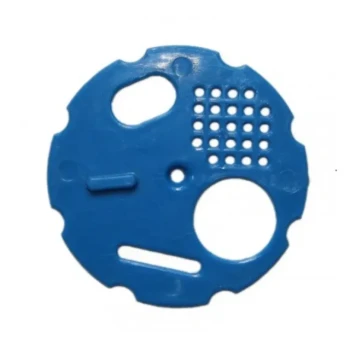
The primary technical advantage of an openable lid design is the capacity for direct, periodic visual inspection of the hive's interior. This feature allows you to bypass reliance on external indicators or physical barriers, enabling the immediate identification of colony health metrics and specific signs of parasitic intrusion that automated or closed systems might miss.
Core Takeaway: Physical barriers often fail to stop parasites smaller than 1 mm. An openable lid is the only mechanism that allows for the manual verification of internal conditions, enabling the early detection of microscopic threats and structural anomalies before they destroy the colony.
The Mechanics of Visual Inspection
Direct Observation of Colony Health
The most immediate benefit of an openable lid is the ability to monitor the biological development of the bumblebees. You can directly observe the state of larval development, ensuring the colony is progressing through its life stages as expected.
Identifying Structural Indicators
Parasites often leave physical evidence on the hive structure long before the colony collapses. Opening the hive allows you to inspect wax structures for irregularities. This access provides the visual data necessary to differentiate between healthy construction and damage caused by intruders.
Detecting Microscopic and Stealth Threats
Overcoming Barrier Limitations
Standard hives often rely on physical barriers to exclude pests, but these are frequently insufficient against the smallest threats. Minute parasites, specifically those smaller than 1 mm, can bypass conventional screens and mesh.
Early Warning Signs of Infestation
Visual access enables the detection of specific symptoms associated with common parasites. For example, you can identify silk webs, which are a definitive sign of wax moth infestation. Similarly, the presence of rotten pupae can indicate an attack by parasitic wasps, allowing for intervention before the infestation becomes unmanageable.
Understanding the Trade-offs
The Operational Cost
While the technical advantages of inspection are clear, they come with a resource cost. Manual inspection is inherently time-consuming compared to passive barrier methods.
The Requirement for Expertise
Effective monitoring requires the observer to know exactly what to look for. The openable lid is only a tool; its value depends on the operator's ability to distinguish between normal debris and early parasitic indicators.
Optimizing Your Monitoring Strategy
To determine if an openable lid design aligns with your project goals, consider your operational priorities:
- If your primary focus is Maximum Parasite Control: Prioritize the openable lid design, as it is the only reliable method for detecting pests under 1 mm that bypass physical barriers.
- If your primary focus is Operational Efficiency: Be aware that this design requires a higher labor investment for periodic checks compared to "set-and-forget" sealed systems.
By integrating manual inspection into your workflow, you convert the hive from a passive container into an active diagnostic tool.
Summary Table:
| Feature | Openable Lid Advantage | Impact on Colony Management |
|---|---|---|
| Pest Detection | Identifies parasites < 1mm | Stops threats that bypass physical barriers |
| Health Monitoring | Direct larval & wax inspection | Enables real-time assessment of biological growth |
| Early Warning | Spot silk webs or rotten pupae | Prevents colony collapse via early intervention |
| Data Accuracy | Manual verification of metrics | Eliminates reliance on unreliable external indicators |
Elevate Your Apiary Standards with HONESTBEE
Precision monitoring is the backbone of a successful beekeeping operation. At HONESTBEE, we understand the technical challenges faced by commercial apiaries and distributors. We provide a comprehensive wholesale range of professional-grade beekeeping tools, hive-making machinery, and honey-filling equipment designed for durability and efficiency.
Whether you are scaling your commercial colony management or supplying the industry with essential consumables and honey-themed merchandise, our expertise ensures your success.
Ready to optimize your production? Contact our experts today to explore our full spectrum of hardware and specialized beekeeping solutions tailored to your business needs.
References
- Antoine Gekière, Denis Michez. Monitoring of parasites in bumblebee colonies developed from controlled nesting of wild queens (Hymenoptera: Apidae: Bombus). DOI: 10.47446/osmia10.5
This article is also based on technical information from HonestBee Knowledge Base .
Related Products
- Telescopic Beehive Outer Cover Lid Roof with Galvanised Sheeting for Langstroth Hive and Beehive Outer Cover
- Professional Grade Foldable Beehive Handles
- Ergonomic Two Person Foldable Hive Lifter
- Professional Reversible Beehive Hive Entrance
- Multi-Functional Sliding Hive Entrance for Beekeeping
People Also Ask
- What is a telescoping outer cover and what are its advantages? Maximize Hive Protection in Harsh Climates
- What is the function of an outer telescoping cover on a beehive? Ultimate Weather Protection for Your Colony
- What is the purpose of the outer telescoping cover in a beehive? The Key to Weatherproofing Your Hive
- What are the benefits of the telescoping outer cover? Essential Protection for Hive Health & Longevity
- How should a telescoping outer cover be removed? Expert Techniques for Smooth Beekeeping Operations