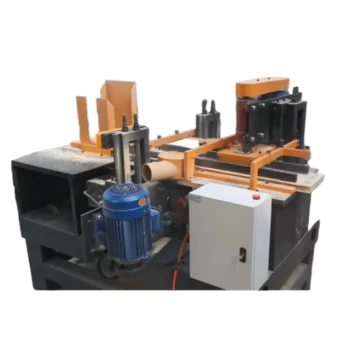
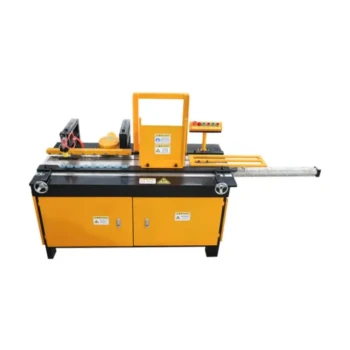
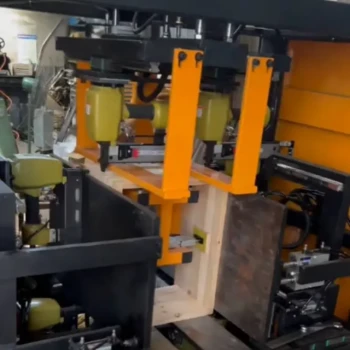
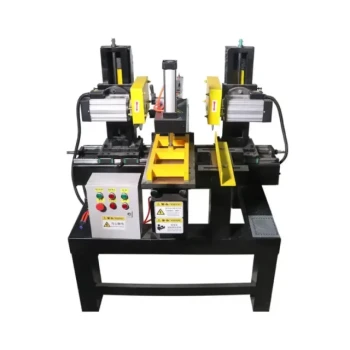
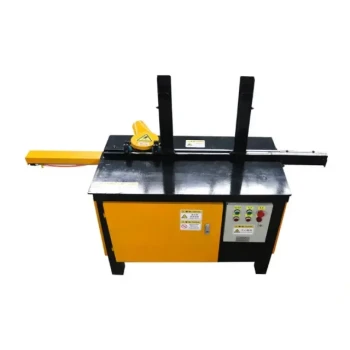
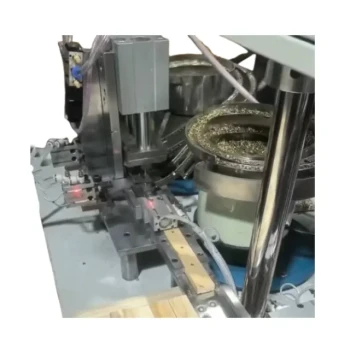
Professional-grade beehive manufacturing machinery fundamentally transforms apiary operations by utilizing high-precision cutting and standardized joinery techniques. This equipment ensures complete component interchangeability and superior sealing performance, creating a hardware foundation essential for streamlining maintenance, transportation, and integration with automated honey collection systems.
The core value of this technology is not merely production speed, but the establishment of a standardized, modular infrastructure. This precision is the prerequisite for scaling operations, minimizing biological threats through airtight construction, and enabling the seamless adoption of industrial automation.
The Operational Impact of Standardization
Achieving Absolute Interchangeability
In large-scale apiaries managing thousands of colonies, the ability to swap components between hives is critical. Professional machinery produces parts with standardized dimensions, ensuring that frames, dividers, and boxes fit perfectly across the entire operation.
This eliminates the need for manual adjustments or "fitting" in the field. It allows for rapid colony expansion and simplifies maintenance routines, as replacement parts are guaranteed to function without modification.
Facilitating Migratory Beekeeping
Commercial operations often require moving hives vast distances for pollination services or nectar flows. Precision joinery creates structurally sound hives that maintain their integrity during transport.
Standardized, durable hardware withstands the vibration and stress of travel. This stability protects the colony from physical damage and prevents equipment failure that can occur with loosely constructed traditional hives.
Biological and Environmental Advantages
Enhancing Sealing and Disease Control
The high-precision cutting provided by professional machinery eliminates structural gaps. Superior sealing performance is vital for maintaining the hive's internal climate and preventing the intrusion of pests.
By ensuring airtightness, these manufacturing methods reduce the incidence of colony diseases. This level of structural integrity provides the infrastructure necessary to meet strict industry standards for organic certification.
Increasing Equipment Durability
Industrial-grade production ensures that hive parts are robust and resistant to environmental stress. Whether made of wood or plastic, these components offer a higher turnover rate, lasting longer than hand-crafted alternatives.
This durability directly reduces fixed asset costs over time. Beekeepers spend less capital replacing worn-out gear and more time managing the health of their bees.
Enabling Modern Automation
Integration with Extraction Systems
The transition to modern industrial-scale production relies on the compatibility of the hive with downstream machinery. Standardized hive designs are a requirement for automated honey processing and filling lines.
When dimensions are precise, frames move seamlessly through automated uncapping and extraction equipment. This eliminates jams and mechanical failures caused by irregular component sizes.
Reducing Contamination Risks
Automated systems, supported by standardized hardware, significantly increase production speed while minimizing human contact. This reduces the risk of secondary contamination during the extraction and bottling process.
This serves as a fundamental hardware requirement for scaling from family-level production to commercial operations that must adhere to rigorous food safety standards.
Understanding the Trade-offs
High Initial Capital Investment
Implementing professional-grade manufacturing machinery requires significant upfront capital. For smaller operations, the cost of this infrastructure may outweigh the efficiency gains found in mass production.
Operational Rigidity
While these machines allow for some customization regarding ecological environments, their primary strength is mass uniformity. This focus on standardization may limit the ability to make rapid, ad-hoc modifications to hive designs without retooling the production line.
Making the Right Choice for Your Scale
The decision to utilize professional manufacturing machinery depends heavily on your specific operational goals.
- If your primary focus is Rapid Expansion: The interchangeability of parts is essential for managing thousands of colonies and performing artificial colony splitting efficiently.
- If your primary focus is Migratory Beekeeping: The structural stability and precision joinery are critical for ensuring hives survive frequent transport without damage.
- If your primary focus is Automated Processing: The strict adherence to standardized dimensions is a non-negotiable prerequisite for integrating with industrial extraction and bottling lines.
Adopting professional-grade machinery is the definitive step toward transforming beekeeping from a labor-intensive craft into a streamlined, industrial-scale operation.
Summary Table:
| Technical Advantage | Operational Benefit | Commercial Impact |
|---|---|---|
| High-Precision Cutting | Absolute component interchangeability | Simplified maintenance & rapid colony expansion |
| Standardized Joinery | Superior sealing & structural integrity | Pest control & durability during migratory transport |
| Modular Design | Integration with automated extraction | Increased throughput & reduced secondary contamination |
| Industrial Durability | Higher equipment turnover rate | Lower long-term capital expenditure on fixed assets |
Scale Your Apiary with Industrial Precision
Transition from labor-intensive crafting to high-output commercial production with HONESTBEE. As a dedicated partner to commercial apiaries and global distributors, we provide the comprehensive wholesale solutions you need to lead the industry.
Our value to your business:
- Advanced Machinery: High-precision hive-making and automated honey-filling machines for seamless scaling.
- Professional Hardware: A full spectrum of beekeeping tools and equipment designed for industrial durability.
- Total Supply Chain: From essential industry consumables to honey-themed cultural merchandise.
Ready to modernize your operations and enhance your honey production?
Contact HONESTBEE Today to discuss our wholesale offerings and industrial equipment.
References
- Imants Justs, Andris Skromulis. CHARACTERISTICS OF THE BEEKEEPING INDUSTRY IN THE LATVIA. DOI: 10.17770/etr2024vol1.7990
This article is also based on technical information from HonestBee Knowledge Base .
Related Products
- Professional Bee Frame Machine for Side Bar Shaping
- High-Efficiency Pneumatic Bee Hive Making Machine for Rapid Box Assembly
- HONESTBEE Top Bar & Bottom Bar Forming Machine | Bee Frame Machine
- HONESTBEE Bee Frame Side Bar Forming Machine Precision Engineered for High-Volume Production Bee Frame Machine
- Beehive Handle and Frame Rest Cutting Machine: Your Specialized Hive Machine
People Also Ask
- What are the differences between wedged-top and grooved-top frames? Choose the Right Foundation System
- What types of damage on bee frames indicate they can be cleaned for reuse? Save Costs with Proper Frame Restoration
- How long do bee frames last? A Guide to Lifespan and Replacement for Healthy Hives
- What should I look for in a bee frame? A Beekeeper's Guide to Hive Health Assessment
- Can old bee frames be reused? Weighing the Risks vs. Rewards for Your Hive