The technical superiority of sealed glass bottles lies in their capacity to provide a near-perfect barrier against moisture and chemical interaction. This packaging solution directly inhibits fermentation by preventing hygroscopic absorption while ensuring the product's chemical composition remains unaltered by the container itself.
Sealed glass offers a dual benefit: it creates an inert environment that prevents chemical migration and oxidation, while providing the airtight seal necessary to preserve honey’s stability, flavor, and commercial shelf life.
Preserving Chemical Integrity
Eliminating Chemical Migration
Glass is a chemically inert material, meaning it does not react with its contents. Unlike some porous or reactive materials, glass ensures that no plasticizers or container-derived contaminants migrate into the honey.
Stability Against Acidity
Honey is naturally slightly acidic. Glass containers remain completely stable when in contact with this acidity, ensuring the original physicochemical composition of the honey is preserved without degradation.
Supporting Analytical Reliability
Because the glass prevents chemical reactions, the honey retains its original properties for testing. This is critical for accurate pollen identification and physicochemical analysis after transportation.
Environmental Isolation and Shelf Life
Preventing Fermentation
Honey is highly hygroscopic, meaning it naturally absorbs moisture from the surrounding air. Sealed glass provides a superior barrier that prevents atmospheric moisture from diluting the honey, which is the primary cause of fermentation and spoilage.
Blocking Oxidation and Odors
High-transparency glass acts as an effective oxygen barrier. This prevents oxidation, which protects the honey’s delicate aromatic profiles and unique crystalline textures from degrading over time.
Isolating from External Contaminants
Glass containers effectively isolate the product from external odors and environmental pollutants. This maintains the sensory integrity of the honey, ensuring it tastes and smells exactly as intended upon consumption.
Commercial and Visual Utility
Visual Quality Assessment
The high transparency of glass allows for immediate visual verification of the product. Distributors and consumers can instantly assess the honey's color, purity, and texture without breaking the seal.
Standardization for Distribution
Glass packaging supports standardized capacities, such as 250 mL units, which are essential for meeting retail specifications. This standardization facilitates efficient logistics and commercial circulation.
Critical Considerations for Implementation
The Dependency on Seal Quality
The advantages of glass are nullified without a high-quality closure. The airtight seal is the critical component that actually stops moisture ingress; the glass body works only as well as its lid allows.
Weight and Handling
While chemically superior, glass functions as a rigid, heavy terminal consumable. It requires careful handling during transportation to prevent breakage, unlike flexible or shatter-resistant plastic alternatives.
Making the Right Choice for Your Goal
To maximize the value of your honey product, align your packaging choice with your specific technical or commercial objectives:
- If your primary focus is Long-Term Preservation: Prioritize glass for its ability to prevent moisture absorption and fermentation, ensuring the honey remains stable physically and chemically over extended periods.
- If your primary focus is Premium Retail: Leverage the transparency and inertness of glass to showcase purity and color while ensuring no plasticizers alter the flavor profile.
By utilizing sealed glass, you effectively lock in the biological and chemical value of the honey from the hive to the consumer.
Summary Table:
| Feature | Advantage of Sealed Glass | Technical Benefit |
|---|---|---|
| Material Inertness | Zero chemical migration | Maintains original honey composition and acidity levels |
| Moisture Barrier | Prevents hygroscopic absorption | Inhibits fermentation and maintains sugar concentration |
| Oxygen Barrier | Blocks oxidation | Preserves aromatic profiles and delicate crystalline textures |
| Transparency | Clear visual assessment | Allows for instant verification of color, purity, and quality |
| Regulatory | Standardized capacities | Facilitates efficient logistics and retail distribution compliance |
Elevate Your Honey Quality with HONESTBEE Packaging Solutions
At HONESTBEE, we specialize in empowering commercial apiaries and distributors with the professional-grade tools needed to succeed in the global market. Beyond offering a comprehensive range of beekeeping machinery and hive-making equipment, we provide high-quality consumables designed to protect your harvest.
Whether you are looking for standardized glass storage solutions to preserve your honey's sensory integrity or need advanced honey-filling machines to streamline your production, our wholesale portfolio is built for your growth. Let us help you deliver a premium product that stands out on the shelf.
Ready to scale your apiary operations? Contact us today to explore our wholesale offerings!
References
- Rebecca J. S. Newman, Claudia Capitani. Assessing the impacts of land use and climate interactions on beekeeping livelihoods in the Taita Hills, Kenya. DOI: 10.1080/09614524.2020.1854689
This article is also based on technical information from HonestBee Knowledge Base .
Related Products
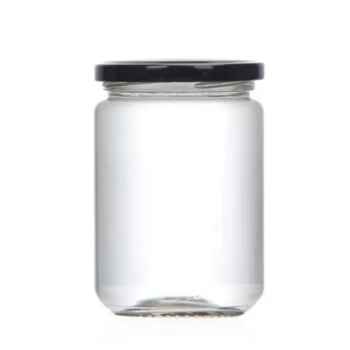
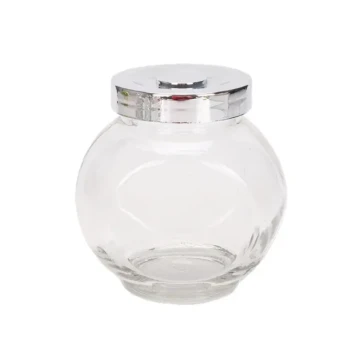
- Classic Round Glass Honey Jar with Lid
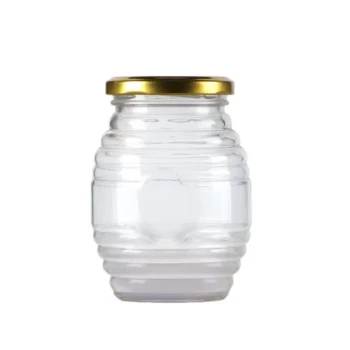
- Classic Glass Honey Jar with Metal Lug Cap for Beehive Storage
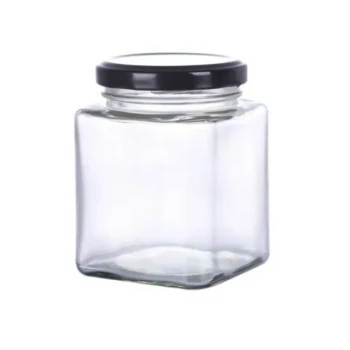
- Modern Square Glass Honey Jar with Twist Off Lid
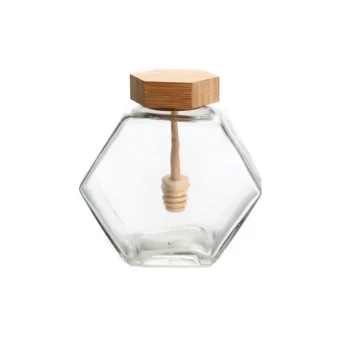
- Hexagonal Glass Honey Jar with Wooden Lid Integrated Dipper Elegant Functional Storage
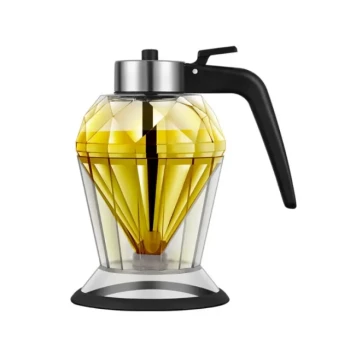
- Premium Diamond-Faceted Glass Honey Dispenser
People Also Ask
- What is the aesthetic appeal of using glass jars for honey? Elevate Your Brand with Premium Packaging
- What are the advantages of glass containers for honey? Elevate Quality and Market Value with Premium Packaging
- How does the appearance of glass jar packaging affect the sales and perception of honey? Boost Your Premium Brand Value
- Why is a glass jar preferred for packaging honey? Ultimate Protection for Purity & Flavor
- What are the advantages of using high-quality glass containers in the commercial packaging of honey? Boost Premium Value