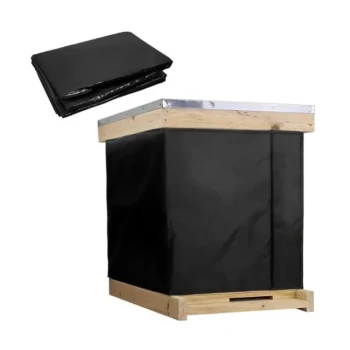
The primary technical benefit of using high-insulation foam hive boxes during colony splitting is the creation of a thermally stable microclimate. By minimizing heat loss, these boxes significantly reduce the metabolic energy a small cluster of bees must expend to maintain brood-rearing temperatures. This energy conservation allows the colony to prioritize rapid recovery and expansion immediately following the stress of a split.
Small, newly split colonies lack the thermal mass of full hives, making them vulnerable to temperature fluctuations. High-insulation hardware compensates for this lack of biomass, allowing the bees to direct their limited resources toward accelerated queen egg-laying and population growth rather than heat generation.
Optimizing the Microclimate for Recovery
The success of a "mite-free" split often depends on how quickly the colony can rebound from the population reduction. Foam hardware addresses the specific physical limitations of these smaller units.
Superior Thermal Insulation
Standard wooden equipment allows for significant heat transfer, which can be detrimental to small clusters. High-insulation foam boxes provide superior thermal resistance, acting as a barrier against external temperature swings.
Reducing Metabolic Stress
In a traditional box, a small cluster must consume excessive stores and vibrate wing muscles to generate heat. Foam insulation reduces this required energy expenditure, allowing the bees to conserve vitality for foraging and nursing duties.
Supporting 6-Frame Configurations
This hardware is particularly effective for small-scale environments, such as 6-frame configurations. It provides the essential environmental stability needed to turn a fragile nucleus colony into a robust, established hive.
Accelerating Colony Expansion
The ultimate goal of a split—aside from Varroa control—is to return to full strength. The insulation properties of the hive box directly influence the speed of this biological process.
Creating Optimal Brood Conditions
Brood rearing requires precise temperatures. Because the foam box holds heat more efficiently, it creates a stable microclimate that encourages the queen to lay eggs earlier and more consistently.
Faster Population Rebound
With the internal environment stabilized, the lag time between the split and significant population growth is shortened. This results in accelerated colony expansion, ensuring the split becomes viable and self-sustaining before seasonal resources dwindle.
Understanding the Trade-offs
While foam offers distinct biological advantages for small splits, it is essential to weigh these against the structural benefits of traditional materials used in commercial operations.
Durability Limitations
In high-traffic or commercial contexts, wooden hive boxes are generally preferred due to greater durability. Foam creates a protective environment but may not withstand the physical wear and tear of transport and heavy handling as well as wood.
Moisture Resistance Factors
Wooden boxes offer superior moisture resistance and breathability compared to foam. While foam excels at trapping heat, it requires careful management to ensure internal humidity does not become excessive, whereas wood naturally helps manage hive humidity for long-term apiary health.
Making the Right Choice for Your Goal
Selecting the correct hive material depends on the specific phase of your colony's lifecycle and your operational scale.
- If your primary focus is establishing new splits: Prioritize high-insulation foam boxes to maximize heat retention and accelerate early-stage growth.
- If your primary focus is long-term commercial durability: Prioritize wooden boxes for their structural resilience and ability to withstand environmental stress over time.
By matching the hardware material to the immediate needs of the colony, you optimize both survival rates and long-term viability.
Summary Table:
| Feature | Foam Hive Boxes | Traditional Wooden Boxes |
|---|---|---|
| Thermal Insulation | Superior (High thermal resistance) | Moderate (Higher heat transfer) |
| Energy Efficiency | High (Reduces metabolic stress) | Lower (Bees must consume more stores) |
| Colony Growth | Accelerated (Ideal for small splits) | Standard (Slower recovery for small units) |
| Durability | Lower (Best for static use) | Higher (Ideal for transport/heavy handling) |
| Moisture Management | Requires ventilation management | Natural breathability |
| Best Use Case | Nucleus colonies & early-stage splits | Long-term commercial apiary operations |
Scaling Your Apiary with Professional-Grade Equipment
At HONESTBEE, we understand that whether you are performing strategic colony splits for Varroa control or managing a large-scale commercial operation, the quality of your hardware determines your success. We provide a comprehensive wholesale range of beekeeping tools, specialized machinery, and essential consumables designed to meet the rigorous demands of commercial apiaries and distributors.
From advanced hive-making and honey-filling machines to durable hardware and honey-themed cultural merchandise, our portfolio empowers you to optimize hive health and operational efficiency. Contact us today to discuss your wholesale needs and discover how our equipment solutions can help you achieve faster population growth and superior honey yields.
References
- В.К. Пестис, A. N. Krichevtsova. Modern technologies for conducting beekeeping in the Republic of Belarus on the background of varroatous invasion. DOI: 10.29235/1817-7204-2022-60-1-59-68
This article is also based on technical information from HonestBee Knowledge Base .
Related Products
- Professional Insulated Winter Hive Wrap for Beekeeping
- Professional Insulated Plastic Bee Hives
- Automatic High-Speed Bee Hive Box Stapling Machine
- Styrofoam Mini Mating Nuc Box with Frames Feeder Styrofoam Bee Hives 3 Frame Nuc Box
- Inner Beehive Cover for Beekeeping Bee Hive Inner Cover
People Also Ask
- What are the steps to properly wrap a beehive for winter? Ensure Your Colony Survives the Cold
- When is the best time to wrap a beehive for winter? A Guide to Perfect Winterization Timing
- How do professional insulation wraps provide protection for bee colonies? Optimize Winter Survival & Energy Efficiency
- What are the technical benefits of using winter wraps for beehive insulation? Boost Colony Survival & Hive Health
- What are the benefits of using insulated covers for hives? Ensure Colony Survival and Health