The primary technical benefit is structural preservation. A suction nozzle with a 0.2 cm diameter allows for a "surgical" extraction technique that requires only a minute opening in the honeycomb cell. This targeted approach prevents the widespread destruction of the wax matrix associated with traditional pressing or scraping methods, ensuring the hive's architecture remains largely intact.
Core Takeaway: By limiting the extraction point to a 0.2 cm footprint, you drastically reduce the biological energy the colony must expend on repairs. This preservation allows bees to shift focus from reconstruction back to foraging almost immediately, significantly shortening the interval between production cycles.
Preserving Hive Architecture
Minimalist Entry Points
The specific 0.2 cm dimension is critical because it creates an entry point just large enough for extraction but small enough to be easily resealed.
Unlike centrifugal methods that require decapping entire frames, or pressing methods that crush the comb, this nozzle targets individual cells.
Retention of the Wax Matrix
Beeswax production is metabolically expensive for a colony.
By using a small-diameter nozzle, the surrounding walls of the honeycomb (or cerumen pots in stingless bee colonies) are left undisturbed. This protects the physical stability of the nest structure.
Operational Efficiency for the Colony
Rapid Repair Cycles
Because the physical damage is limited to a small puncture, the bees can repair the honeycomb efficiently.
The resources required to seal a 0.2 cm opening are negligible compared to rebuilding crushed combs.
Accelerated Production Timelines
The most significant downstream benefit is the reduction in "downtime" for the colony.
With the structure preserved, the colony resumes honey storage almost immediately after harvesting. This directly contributes to a higher frequency of harvests over the course of a season.
Hygiene and Product Purity
Closed-Loop Extraction
Suction systems utilizing these nozzles typically operate in a closed state using negative pressure.
This isolates the honey from external environmental pollution, such as dust or pests, during the extraction process.
Non-Contact Collection
The mechanical negative pressure eliminates the need for physical pressing or heating.
This maintains the honey's original nutritional composition, color, and flavor profile, resulting in a higher-quality raw product.
Understanding the Trade-offs
Flow Rate Limitations
The 0.2 cm diameter acts as a bottleneck for volume.
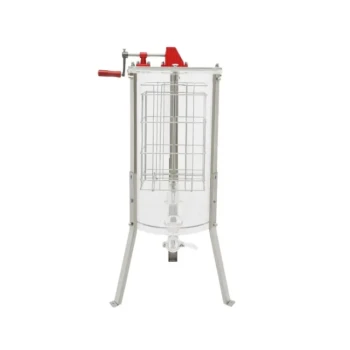
While this method is superior for hive health, the extraction time per liter is significantly slower than centrifugal extractors used in large-scale commercial apiaries.
Viscosity Challenges
Small-diameter nozzles are highly sensitive to honey viscosity.
If the honey is cold, thick, or partially crystallized, it may clog the 0.2 cm opening, potentially requiring higher vacuum pressures or mild warming to facilitate flow.
Making the Right Choice for Your Goal
- If your primary focus is Colony Health and Sustainability: Use the 0.2 cm suction nozzle to minimize stress on the bees and eliminate the energy cost of rebuilding wax.
- If your primary focus is High-Volume Commercial Production: Rely on centrifugal extraction, as the flow rate of a 0.2 cm nozzle will likely create a bottleneck in your processing line.
Summary: The 0.2 cm suction nozzle is a precision tool designed to maximize long-term colony stability and honey purity rather than immediate extraction speed.
Summary Table:
| Feature | Technical Benefit | Impact on Apiary |
|---|---|---|
| 0.2 cm Diameter | Surgical extraction with minimal cell opening | Prevents widespread wax matrix destruction |
| Structural Integrity | Preservation of honeycomb walls/cerumen pots | Minimizes metabolic energy spent on repairs |
| Closed-Loop System | Negative pressure extraction | Eliminates exposure to dust, pests, and pollutants |
| Non-Contact Process | No heating or pressing required | Maintains honey's raw nutritional profile and flavor |
| Recovery Speed | Rapid repair cycles for the colony | Shortens the interval between production cycles |
Elevate Your Honey Quality with HONESTBEE Precision Equipment
At HONESTBEE, we understand that for commercial apiaries and distributors, the balance between production efficiency and colony health is vital. Our comprehensive wholesale offering includes everything from high-precision honey-filling machines to advanced hive-making equipment and essential consumables. Whether you are looking to implement low-stress suction technology or scale up with high-volume machinery, we provide the tools needed to maximize your yield while protecting your bees.
Ready to optimize your apiary’s performance? Contact us today to explore our full spectrum of professional beekeeping solutions!
References
- Agus Sutejo, Agmi Sinta Putri. Karakteristik Alat Pemanen Madu Tipe Isap dengan Variasi Tekanan Vakum. DOI: 10.23960/jabe.v4i2.10906
This article is also based on technical information from HonestBee Knowledge Base .
Related Products
- Small Honey Filling Machine Sachet Packing Equipment Single Nozzle
- Double Nozzle Small Honey Filling Machine Honey Sachet Packing Packaging Equipment
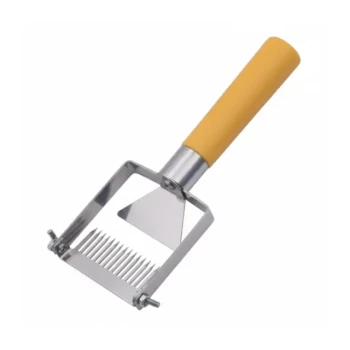
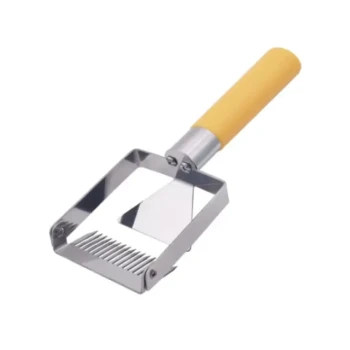
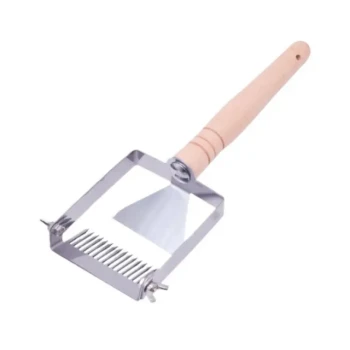
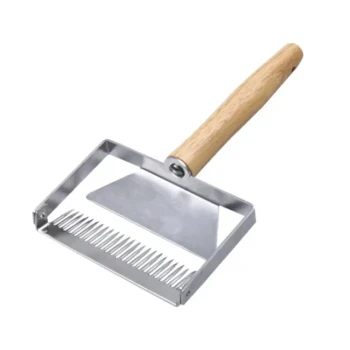
- All-Stainless Steel Pivoting Honey Uncapping Fork for Beekeeping
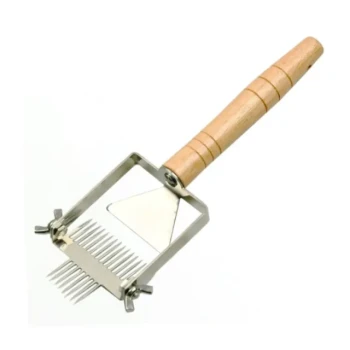
- Adjustable Stainless Steel Honey Uncapping Fork with Plastic Handle for Beekeeping
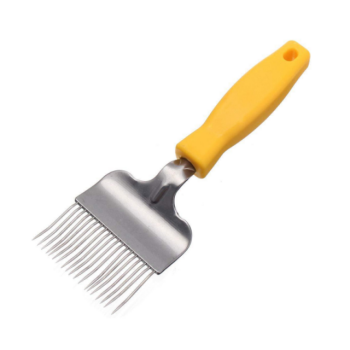
- Stainless Steel Pivoting Honey Uncapping Fork with Plastic Handle
People Also Ask
- Why is high-performance honey filling and packaging equipment essential? Boost Efficiency & Brand Value
- What is honey filling equipment used for? Optimize Your Bottling with Precision Automation
- Why is precision temperature control necessary for red honey filling? Preserve Amorpha fruticosa Color and Aroma
- How does high-precision honey filling equipment protect honey's biological activity? Safeguard Purity & Premium Value
- Why is high-precision honey filling equipment necessary? Secure the medicinal value and ROI of stingless bee honey.