A hive stand serves three critical functions regarding structural integrity, ergonomics, and pest management. Primarily, it acts as a load-bearing foundation capable of supporting several hundreds of pounds of honey without collapsing. Secondly, it raises the workspace to reduce physical strain on the beekeeper's back during inspections. Finally, elevation creates a defensive barrier against pests like ants and interrupts the reproductive cycles of parasites such as wax moths.
A hive stand is not merely a pedestal; it is an essential piece of infrastructure that protects the colony from environmental threats while ensuring the beekeeper can manage heavy loads safely.
1. Structural Support and Load Bearing
Handling Extreme Weight
The most fundamental purpose of a hive stand is to support mass. A full hive is not simply a wooden box; it is a warehouse for honey, pollen, and brood.
When a hive is at peak production, it can weigh several hundred pounds. The stand must be robust enough to hold this weight indefinitely without buckling or shifting.
Stability and Safety
Beyond raw strength, the stand ensures the hive remains upright. A collapsing hive is a catastrophic event that can kill the colony and injure the beekeeper. The stand provides the necessary footing to prevent tipping, even as the center of gravity shifts when supers are added.
2. Ergonomics and Beekeeper Health
Easing Physical Strain
Beekeeping involves repetitive heavy lifting. Managing a hive requires removing and stacking heavy boxes (supers) to inspect the brood chambers below.
If a hive sits directly on the ground, the beekeeper must bend completely over to lift these heavy weights. This creates dangerous leverage on the lower back.
The Advantage of Elevation
By raising the hive, the stand brings the workload closer to waist level. This significantly eases the strain on your back muscles and skeletal structure. It transforms hive management from a physically punishing task into a sustainable activity.
3. Pest Deterrence and Disease Control
Creating a Defense Perimeter
Elevation is a key strategy in Integrated Pest Management (IPM). Raising the hive creates a physical gap that makes it difficult for crawling pests, such as ants, to invade the colony.
Supplementary sources note that elevation also deters larger predators like skunks, which must stand on their hind legs to reach the entrance, exposing their soft underbellies to stinging guard bees.
Interrupting Parasite Cycles
The primary reference highlights a specific biological benefit: interrupting the wax moth development cycle. Wax moth larvae often thrive in debris that accumulates beneath a hive.
If the hive is on the ground, the larvae can easily migrate back into the hive. A stand separates the hive from this ground debris, breaking the lifecycle and protecting the comb.
Moisture and Ventilation
While the primary focus is pests, elevation also protects the hive's wooden components. Keeping the bottom board off damp soil extends the equipment's lifespan and helps maintain a drier, healthier internal environment for the bees.
Common Pitfalls to Avoid
The "Too High" Trap
While elevation helps with ergonomics and pests, raising a hive too high creates instability. A top-heavy hive on a tall stand is vulnerable to strong winds. You must balance ergonomic height with a low center of gravity.
Material Neglect
A stand protects the hive from the ground, but the stand itself is in contact with the soil. Using untreated wood or materials that degrade quickly can lead to sudden structural failure. Concrete blocks or pressure-treated lumber are often necessary to prevent the stand from rotting out from under the hive.
Making the Right Choice for Your Goal
To select or build the correct stand, align your choice with your specific environment:
- If your primary focus is Maximum Honey Production: Prioritize a stand with a wide footprint and reinforced cross-bracing to handle extreme weight loads of 200+ lbs.
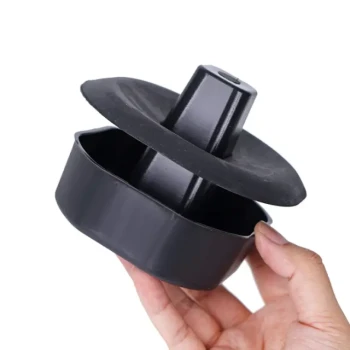
- If your primary focus is Pest Management: Ensure the legs of the stand are designed to accommodate oil cups or barriers to stop ants, and keep the area beneath the stand clear to deter wax moths.
- If your primary focus is Longevity and Comfort: Customize the stand height specifically to your waist level to ensure you can inspect frames without bending, protecting your back for years to come.
A stable, elevated hive is the foundation of a sustainable apiary.
Summary Table:
| Key Purpose | Primary Benefit | Operational Impact |
|---|---|---|
| Structural Support | Load Bearing | Safely supports 200+ lbs of honey and prevents hive collapse. |
| Ergonomics | Physical Health | Raises workspace to waist level to reduce beekeeper back strain. |
| Pest Management | Defense Barrier | Deters ants/skunks and interrupts wax moth reproductive cycles. |
| Climate Control | Ventilation | Keeps equipment off damp soil to prevent rot and mold growth. |
Scale Your Apiary Operations with HONESTBEE
Maximize your productivity and protect your investment with professional-grade equipment. HONESTBEE caters specifically to commercial apiaries and distributors, offering a comprehensive wholesale portfolio designed for industrial-scale success.
Our value to your business includes:
- Advanced Machinery: High-efficiency hive-making and precision honey-filling machines.
- Complete Hardware: A full spectrum of professional beekeeping tools and durable equipment.
- Essential Consumables: A wide array of industry-standard supplies to keep your colonies thriving.
- Cultural Merchandise: Unique honey-themed merchandise to expand your retail appeal.
Ready to upgrade your infrastructure? Contact us today to discuss our wholesale offerings and how we can support your growth!
Related Products
- Plastic Bee Hive Stand for Beekeeping
- Metal Hive Feet Bee Hive Stand for Ant Protection
- Metal Bee Hive Stand Bee Box Stand for Beekeeping
- Professional Ant-Proof Beehive Stand with Integrated Moat for Beekeeping
- Plastic Bee Frame Beekeeping Hive Frames for Wholesale
People Also Ask
- What are the benefits of elevating a bee hive with a stand or base? Protect Your Colony and Your Back
- What are the essential technical specifications for a high-quality bee hive stand? Maximize Stability and Hive Safety
- What are the potential risks of plastic bee hive stands? Avoid Structural Failure in Your Apiary
- What height should a bee hive stand be? Optimize for Your Back and Hive Health
- Why are specialized beehive stands or protective barriers necessary for pest management in apiaries? Secure Your Colony