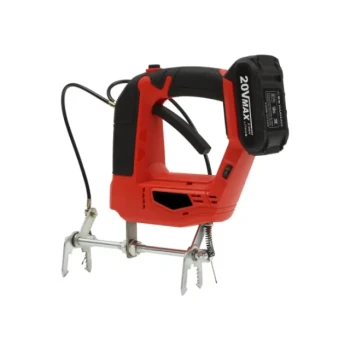
A typical electro-shock bee venom collector relies on a grid of steel wires charged to a maximum of 33 volts. These wires are spaced approximately 6 mm apart and suspended 1 to 3 mm above the collection surface. The system functions by alternating the wires between a charged state and a grounded state to trigger the stinging reflex.
Core Takeaway The design must balance effective stimulation with insect safety. By capping voltage at 33V and maintaining precise wire geometry, the device provokes the release of venom without electrocuting the bees.
Key Electrical Parameters
Voltage Limits
The most critical electrical constraint is the voltage ceiling. The wires should be charged to a maximum of 33 volts.
While lower voltages can be effective, exceeding this limit increases the risk of harming or killing the bees.
Circuit Configuration
The wires are not all charged simultaneously. Instead, they are arranged so that they are alternately grounded and charged.
This configuration ensures that the circuit remains open until a bee physically bridges the gap between two adjacent wires, completing the electrical path and receiving a mild shock.
Electrode Geometry and Placement
Wire Spacing
The horizontal distance between the parallel steel wires is approximately 6 mm.
This specific spacing is tuned to the physical size of the bee, ensuring they are likely to contact both a charged and a grounded wire simultaneously while walking across the grid.
Suspension Height
The wires must be suspended 1 to 3 mm above the collection plate (usually glass or latex).
This gap is essential; it allows the bee to sting "through" the wires onto the plate below, keeping the venom clean and preventing the wires from shorting out against the collection surface.
Understanding the Design Constraints
The Voltage Trade-off
There is a direct relationship between voltage intensity and safety. While you need enough voltage to irritate the bee into stinging, the 33-volt limit is a safety barrier.
Going beyond this limit transitions the device from a stimulus tool to a lethal trap, which defeats the purpose of sustainable venom collection.
Precision in Fabrication
The functionality of the electrical system is entirely dependent on the mechanical build.
If the wires sag lower than 1 mm, they may touch the venom or the plate, causing a short circuit. If they are higher than 3 mm, the bee's stinger may not reach the collection surface effectively.
Final Recommendations for Implementation
- If your primary focus is Maximum Efficiency: Utilize the full 33 volts to ensure the highest probability of triggering a sting response upon contact.
- If your primary focus is Colony Safety: Start with a lower voltage and incrementally increase it, ensuring you never exceed the 33-volt threshold.
- If your primary focus is Equipment Longevity: Ensure the steel wires are tensioned correctly to maintain the strict 1 to 3 mm suspension height, preventing shorts and corrosion.
Precision in voltage regulation and wire geometry is the difference between a functional collector and a hazard to the hive.
Summary Table:
| Specification | Value / Range | Purpose |
|---|---|---|
| Maximum Voltage | 33 Volts | Triggers stinging reflex without harming bees |
| Wire Spacing | 6 mm | Optimized for bee size to bridge the circuit |
| Suspension Height | 1 to 3 mm | Ensures stinger reach and prevents short circuits |
| Wire Material | Steel | Provides durability and consistent conductivity |
| Circuit Type | Alternating Charged/Grounded | Completes circuit only upon bee contact |
Scale Your Venom Production with HONESTBEE
At HONESTBEE, we specialize in empowering commercial apiaries and beekeeping distributors with high-precision equipment designed for maximum yield and colony safety. Whether you are looking for advanced bee venom collectors, high-capacity honey-filling machines, or durable hive-making machinery, our comprehensive wholesale portfolio has you covered.
Why partner with HONESTBEE?
- Industry Expertise: We supply the full spectrum of beekeeping tools and essential consumables tailored for large-scale operations.
- Quality Assurance: Our machinery is engineered to meet the strict technical standards required for professional bee product harvesting.
- Comprehensive Support: From hardware to honey-themed cultural merchandise, we provide everything needed to grow your brand.
Ready to upgrade your apiary's efficiency? Contact us today to explore our wholesale solutions!
Related Products
- Full Set Beekeeping Electronic Bee Venom Collector Machine Device for Bee Venom Collecting
- High Performance Cordless Electric Bee Shaker for Beekeeping
- Portable Electric Bee Vacuum with Lithium Battery and 20L Collection Bucket
- Electric Bee Smoker European Style Bee Hive Smoker for Beekeeping
- Removable Plastic Pollen Trap With Ventilated Tray for Bees Pollen Collector
People Also Ask
- How does the glass plate integrated into a bee venom collector contribute to maintaining quality and purity?
- What is the function of specialized collection equipment in the production process of bee venom? Expert Guide
- What is the significance of using specialized bee venom collection devices in commercial beekeeping operations?
- Why are bee venom collection devices typically mounted on specialized wooden carrier boards? Maximize Yield & Purity.
- How does a dedicated bee venom collection device operate? Extract Pure Venom Safely Without Harming Your Bees