Specialized beekeeping machinery and transport equipment function as force multipliers for commercial operations, enabling the efficient management of geographically dispersed apiary sites. By replacing labor-intensive manual tasks with mechanization, these tools ensure stable honey yields and prevent the logistical inefficiencies often associated with expanding an operational footprint.
Core Takeaway Integrating professional-grade transport and extraction technology mitigates the risks of diseconomies of scale. It allows enterprises to grow production volume while maintaining optimal labor allocation across extensive distances.
Scaling Operations Across Locations
Mitigating Diseconomies of Scale
The primary challenge of managing multiple apiary sites is the loss of efficiency as distance increases. Specialized transport equipment directly addresses this by streamlining the movement of colonies and equipment between dispersed locations. This mechanization allows an enterprise to expand its footprint without a proportional increase in logistical chaos or cost.
Optimizing Labor Allocation
Automated tools replace manual labor, transforming beekeeping from a high-intensity physical task to a managed industrial process. This shift ensures that skilled labor is allocated to high-value colony management rather than repetitive manual hauling or extraction. Consequently, operations can maintain consistent production growth even as the number of apiary sites increases.
Capturing Seasonal Windows
Efficient transport and setup tools shorten the infrastructure deployment cycle. This speed enables beekeepers to respond quickly to seasonal flowering periods across different vegetation zones. By reducing setup time, operators can capture optimal windows for honey production that slower, manual operations would miss.
Standardization and Efficiency
Achieving Uniform Infrastructure
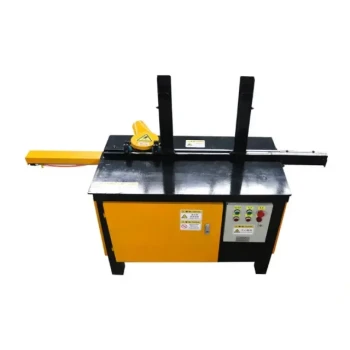
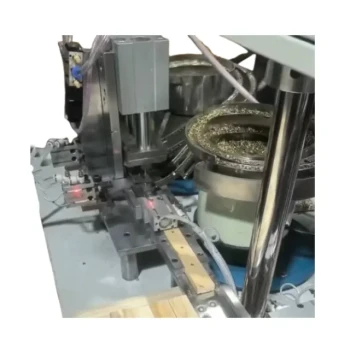
Specialized manufacturing machinery, such as precision woodworking tools and assembly molds, ensures the uniform specification of beehive components. For multi-site operations, parts interchangeability is critical; it eliminates the need to match specific equipment to specific sites. Standardized infrastructure supports a seamless transition from traditional methods to modern, industrial-scale production.
Automating Extraction and Hygiene
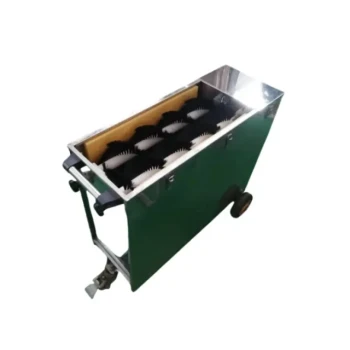
Industrial-grade automated extractors and pollen traps significantly reduce labor intensity while increasing operational precision. These tools maintain high hygiene standards during processing, which is difficult to achieve consistently with manual methods. Semi-automated processes ensure that large volumes of harvest can be processed quickly without compromising quality.
Customization for Local Environments
Using specialized machinery to manufacture tools allows for customization based on local environmental characteristics and specific bee species. This ensures equipment is perfectly adapted to local hive structures and enhances ergonomic performance for operators. Tailored equipment leads to higher durability and overall production efficiency in diverse environments.
Understanding the Trade-offs
Supply Chain Dependency
Modern apiary management relies heavily on the integrity and availability of specialized tools and consumables. A stable supply of input accessories is required to maintain these advanced systems efficiently. Without specific spare parts or consumables, operators risk equipment failure that can stall operations across multiple sites.
Risk of Operational Bottlenecks
Reliance on specialized machinery introduces the risk of technical bottlenecks. If critical machinery fails without a backup or immediate repair solution, the entire production chain can halt. This vulnerability can force operators to revert to inefficient traditional methods, jeopardizing the economic benefits of the technology.
Making the Right Choice for Your Goal
To maximize the value of specialized equipment, align your investment with your immediate operational bottleneck:
- If your primary focus is Rapid Expansion: Prioritize transport equipment and beehive manufacturing machinery to ensure quick deployment and standardized infrastructure across new sites.
- If your primary focus is Operational Efficiency: Prioritize automated extraction and processing tools to reduce labor costs and improve hygiene standards at your current scale.
Success in multi-site beekeeping ultimately depends on using mechanization to turn logistical challenges into a standardized, scalable workflow.
Summary Table:
| Feature Category | Key Benefit for Multi-Site Management | Impact on Efficiency |
|---|---|---|
| Transport Equipment | Rapid colony movement across dispersed locations | Captures peak seasonal flowering windows |
| Standardized Machinery | Uniform beehive components and parts interchangeability | Reduces logistical complexity and repair time |
| Automated Extraction | High-volume processing with industrial hygiene standards | Minimizes labor costs and maintains quality |
| Manufacturing Tools | Custom equipment adapted to local environments | Increases durability and ergonomic performance |
Scale Your Beekeeping Enterprise with HONESTBEE
Transitioning from manual labor to industrial-scale efficiency requires more than just tools—it requires a strategic partner. HONESTBEE specializes in empowering commercial apiaries and distributors with high-performance beekeeping solutions.
Our Value to You:
- Advanced Machinery: From precision hive-making to high-capacity honey-filling machines, we automate your production line.
- Comprehensive Wholesale Portfolio: Access a full spectrum of professional tools, machinery, and essential consumables designed for durability.
- Standardization & Growth: We help you achieve uniform infrastructure across all sites, ensuring your operation is scalable and profitable.
Ready to eliminate logistical bottlenecks and maximize your honey yield? Contact HONESTBEE today to explore our comprehensive wholesale offerings and specialized equipment tailored for the modern commercial beekeeper.
References
- Tomás Bragulat, Luis Lara Maldonado. Relaciones técnico-económicas de la apicultura pampeana a través de correlaciones canónicas. DOI: 10.19137/cienvet-201820206
This article is also based on technical information from HonestBee Knowledge Base .
Related Products
- Stainless Steel J Hook Hive Tool for Beekeeping
- HONESTBEE 15-in-1 Beekeeper Multi-Tool with Hammer and Pliers for Beekeeping
- HONESTBEE Professional Mini J-Hook Hive Tool for Beekeeping
- Durable Galvanized Steel Frame Grip
- Multi-Function Plier-Style Frame Grip Hive Tool
People Also Ask
- What specific challenges do beekeeping hive tools address during hive maintenance? Essential Solutions for Apiaries
- What are the features of a J-hook hive tool? Effortlessly Lift Frames with Superior Leverage
- What is a J-hook hive tool and why is it favored by some beekeepers? Master Gentle Frame Handling
- What is the purpose of the J-hook hive tool? Effortlessly Lift Frames with Superior Leverage
- How is a J-hook hive tool designed and what is its primary use? Master Effortless Hive Inspections