For brood-chamber equipment, prioritize microclimate stability rather than maximum airflow. Honeybee brood develops best at approximately 35°C, with a practical brood-nest range of about 33–36°C despite substantial outdoor temperature changes. Ventilation must remove excess heat and moisture without creating drafts or excessive heat loss; as a reference point, approximately 12 entrance-fanning bees can move 50–60 liters of air per minute.
The right commercial system combines insulation with controllable ventilation. Equipment should help the colony hold a stable brood temperature and moderate humidity while reducing the physical and energy demands of fanning, heating, and cooling.
The Biological Requirements of the Brood Chamber
Maintain a narrow temperature range
The brood chamber is normally regulated close to 35°C, with reported operating ranges of approximately 33–36°C. This stability is essential because developing brood is far less tolerant of temperature fluctuation than the surrounding hive environment.
Colonies use worker-bee clustering, metabolic heat production, and thoracic muscle vibration to raise temperature. During hot conditions, workers collect water and fan their wings to promote evaporative cooling.
Account for extreme external conditions
Honeybee colonies may maintain brood conditions while outside temperatures range from approximately –50°F to 120°F. Commercial hive equipment therefore needs to reduce the effect of external heat and cold rather than simply provide an open path for air exchange.
Insulation, tight-fitting components, and controlled ventilation work together. Ventilation alone cannot compensate for excessive thermal conduction through thin walls, poorly fitted covers, or open joints.
Control humidity as well as temperature
Brood chambers generally operate at a relative humidity of roughly 30–50%, with other references placing the typical brood-nest level near 48–50% with a tolerance of approximately ±6%. This makes moisture management an important equipment consideration.
The objective is not to dry the hive as aggressively as possible. Excessive ventilation can remove necessary moisture, while insufficient ventilation can allow condensation and overheating.
What Airflow Capacity Means in Practice
Use colony behavior as the airflow benchmark
The reference airflow of 50–60 liters per minute from approximately 12 entrance-fanning bees illustrates the scale of natural cooling activity. It should be treated as a biological benchmark, not necessarily as a universal mechanical fan setting for every hive.
Actual airflow requirements vary with colony strength, hive volume, brood area, ambient temperature, solar exposure, humidity, and the design of the entrance and ventilation openings.
Provide low-resistance ventilation paths
Screened bottoms, ventilated covers, and appropriately sized entrances can help air move through the hive with less effort from worker bees. These components should permit air exchange while limiting direct wind exposure, pest access, and uncontrolled heat loss.
The most useful design is usually adjustable ventilation, allowing operators to modify airflow for seasonal conditions, colony strength, and transport requirements.
Prevent stagnant hot zones
Equipment should support the removal of warm, humid air from the upper portion of the brood chamber. This is particularly important when solar heating raises the temperature beneath the cover or when high colony density increases heat production.
Ventilation layouts should be evaluated as complete systems. An opening with high nominal area may perform poorly if internal screens, covers, or joints restrict the actual airflow path.
Equipment Features to Evaluate
Thermal insulation and construction quality
Insulated hive walls, covers, and roofs reduce the heat that bees must generate in cold weather and the heat they must remove during hot weather. This can reduce honey consumption devoted to thermoregulation and preserve more colony energy for brood rearing, foraging, and honey production.
For commercial purchasing, assess insulation consistency, material durability, moisture resistance, and compatibility with standard hive dimensions.
Screen bottoms and ventilation hardware
Screen bottoms can improve air exchange and assist with heat and moisture management. Their value depends on mesh design, ventilation area, weather exposure, and whether the system allows operators to regulate or close the opening when conditions require it.
Commercial components should be easy to inspect, clean, replace, and integrate with existing hive bodies, floors, covers, and entrance reducers.
Precision-manufactured hive components
Dimensional accuracy matters because gaps and poorly fitted joints can cause uncontrolled air leakage. Excessive leakage may create drafts in cold conditions, while inadequate designed openings can restrict cooling in hot conditions.
Manufacturers and resellers should prioritize consistent tolerances, tight joints, reliable seals where appropriate, and modular compatibility across the product portfolio.
Sensors and climate-control systems
For high-value colonies, brood incubators, research operations, or controlled queen-rearing applications, temperature and humidity sensors can provide more reliable oversight than visual inspection alone. Automated climate-control equipment should include adjustable setpoints, alarms, and fail-safe operation.
Live brood removed from a hive requires a more precise controlled environment, generally around 32–35°C, and should not be treated as equivalent to normal in-hive ventilation. Brood storage and incubation require dedicated climate-control procedures.
Understanding the Trade-offs
More ventilation is not always better
Increasing airflow can reduce overheating, but excessive air exchange may chill brood, lower humidity, increase heat loss, or force bees to consume more stored honey for reheating. Equipment should therefore provide controlled and adjustable airflow, not unrestricted ventilation.
Insulation can retain unwanted heat
Insulation slows heat transfer in both directions. During severe heat, a heavily insulated hive without adequate ventilation may retain internally generated and solar heat.
The best specification is a coordinated package: insulation to moderate heat transfer, ventilation to remove excess heat and moisture, and adjustment points for seasonal management.
Mechanical airflow can disturb colony behavior
Fans and powered systems may introduce vibration, noise, drafts, or airflow patterns that do not match natural colony ventilation. Any active system should be tested for uniform air distribution and positioned so that it supports—not replaces—the colony’s normal thermoregulation.
Standard specifications do not fit every apiary
A single airflow rating or ventilation opening cannot account for every climate, hive format, colony population, or management practice. Resellers should avoid presenting one equipment configuration as universally suitable.
Product selection should instead be based on climate zone, hive dimensions, colony density, seasonal use, power availability, and the operator’s ability to monitor and adjust the system.
Making the Right Choice for Your Goal
Select equipment according to the biological condition you need to protect and the operating environment in which the hive will be used.
- If your primary focus is brood development: Choose insulated, precisely fitted hive components with adjustable ventilation that can support approximately 33–36°C without creating drafts.
- If your primary focus is hot-climate management: Prioritize screened bottoms, ventilated covers, shaded or insulated surfaces, and airflow paths capable of reducing heat and moisture buildup.
- If your primary focus is cold-climate operation: Emphasize insulation, controllable openings, tight joints, and protection against uncontrolled drafts and condensation.
- If your primary focus is commercial apiary standardization: Select modular equipment with consistent dimensions, replaceable ventilation parts, sensor compatibility, and documented operating specifications.
- If your primary focus is live brood incubation or storage: Use dedicated climate-controlled equipment capable of maintaining approximately 32–35°C, rather than relying on ordinary hive ventilation hardware.
- If your primary focus is sourcing efficiency: Work with suppliers able to provide complete hive, ventilation, insulation, monitoring, and climate-control packages with rapid technical support and dependable fulfillment.
A well-designed brood-chamber system gives bees the stable thermal environment they need while minimizing the energy they must spend maintaining it.
Summary Table:
| Requirement | Range/Benchmark | Equipment Implication |
|---|---|---|
| Brood temperature | 33-36°C | Insulation and precise ventilation to maintain stable temperature |
| Humidity | 30-50% RH (tolerance ±6%) | Adjustable ventilation to avoid over-drying or condensation |
| Airflow reference | 50-60 L/min (12 fanning bees) | Low-resistance paths for natural ventilation; mechanical fans for supplemental cooling |
| External conditions | -50°F to 120°F | Insulation and controlled adjustments to mitigate extremes |
| Key feature | Adjustable ventilation | Allows seasonal and colony-specific management |
| Additional | Precision manufacturing | Prevents drafts, ensures consistent tolerances |
Optimize your commercial beekeeping with HONESTBEE's precision-engineered hive components and ventilation systems. Our comprehensive portfolio includes insulated hive bodies, adjustable ventilation, and climate-control solutions—backed by rapid support and reliable supply. Contact us today to find the perfect setup for your apiary and boost efficiency with our one-stop sourcing and OEM/ODM options. Get in touch and let's discuss your needs!
Related Products
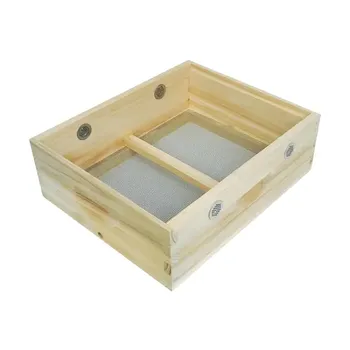
- Professional Beekeeping Quilt Box with Multi Vent Moisture Control
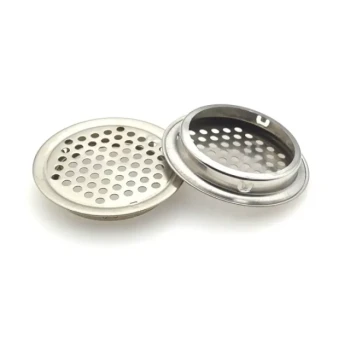
- Stainless Steel Round Beehive Air Vents for Ventilation
- Steel Round Disc Entrance Reducer for Flexzion Bee Hive Nuc Box Gate
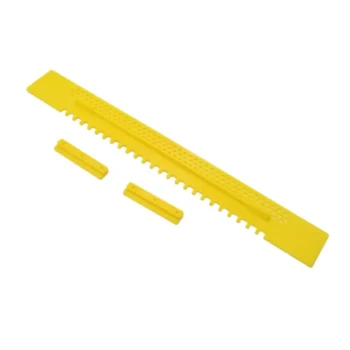
- Professional Reversible Beehive Hive Entrance
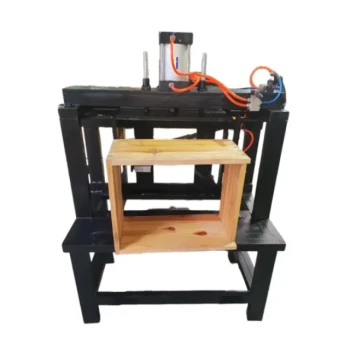
- High-Efficiency Pneumatic Bee Hive Making Machine for Rapid Box Assembly
People Also Ask
- Why are beehive boxes stacked sequentially rather than nailed together as a single structure? Discover the benefits of modular hive design for flexibility, inspection, and maintenance.
- What moisture control accessories and techniques can be used to prevent excess humidity inside beehives? Discover top solutions
- What are the production benefits of transitioning from traditional beehives to modern box hives in apiculture management? Boost Yields and Efficiency
- How should different hive box sizes be configured within a beekeeping hive system to optimize brood rearing and honey harvest? Optimize with Our Wholesale Hive Components
- What operational advantages does deploying multiple hive boxes provide? Boost Apiary Monitoring & Colony Management