The most reliable protection is cold, sealed storage: Keep harvested honeycombs in commercial refrigeration maintained at 4 °C (39.2 °F) or below, or place them inside airtight, beetle-proof containers that prevent adult small hive beetles from reaching the comb and laying eggs.
Small hive beetles can reproduce rapidly in unprotected comb after harvest. Cold storage suppresses egg hatching and larval activity, while sealed containment prevents access; using both controls provides the strongest protection for valuable comb inventory.
Why Stored Honeycombs Need Dedicated Protection
Small hive beetles remain a risk after harvest
Small hive beetles can reproduce outside active colonies when they have access to honey, pollen, brood comb, or residual hive debris. Eggs may hatch within 1 to 3 days, allowing larvae to begin damaging stored inventory quickly.
Larval damage can destroy comb value
The larvae tunnel through honeycombs, consume stored materials, and leave waste behind. This activity can cause honey fermentation, slime contamination, structural collapse, and severe fouling of the comb.
Harvested supers are especially vulnerable
Honey supers awaiting extraction contain attractive food sources for beetles. If extraction cannot occur promptly, controlled storage should be treated as an essential part of post-harvest handling rather than an optional convenience.
Cold Storage Equipment That Provides Protection
Commercial refrigeration units
Use temperature-controlled refrigeration units capable of maintaining a stable temperature at or below 4 °C (39.2 °F). The unit should have sufficient capacity for the full volume of supers or frames, reliable temperature monitoring, and consistent air circulation.
Refrigeration at this level suppresses small hive beetle egg hatching and reduces larval activity. It is the primary cold-storage recommendation for protecting drawn comb and honey-filled frames.
Dedicated cold rooms and refrigerated storage areas
For commercial apiaries, wholesalers, and storage facilities, a dedicated cold room can provide more practical capacity than individual refrigerators. The room should be easy to clean, organized to allow inspection, and protected from unnecessary temperature fluctuations caused by frequent door opening.
A dedicated unit also supports faster order fulfillment because comb inventory can remain protected and ready for processing or dispatch without repeated handling.
Freezing equipment for intensive pest control
Freezing is a useful supplemental option when inventory requires a more aggressive temperature treatment, particularly where comb may already contain hidden pest stages. However, the supplied guidance specifically identifies freezing durations for wax moth control, not as the primary small hive beetle protocol.
For small hive beetle prevention, the clearest recommendation remains stable refrigeration at or below 4 °C, combined with physical exclusion.
Containment Methods That Prevent Reinfestation
Airtight, beetle-proof containers
Place combs inside containers that are airtight and physically resistant to beetle entry. The container must prevent adult beetles from reaching the comb, because even a cold-protected inventory can be reinfested if exposed during handling or storage.
Suitable containment should include secure lids, intact walls, and no unprotected openings or gaps. Containers should be large enough to avoid crushing comb while still allowing efficient stacking and inventory control.
Sealed storage for cold-room inventory
Sealing combs before placing them in refrigeration adds a second barrier against adult beetles entering when the door is opened or when contaminated equipment is brought into the storage area. It also helps isolate any affected frames from clean inventory.
Separate clean, suspect, and infested comb whenever possible. Do not place visibly contaminated frames into the same container as marketable or processing-ready stock.
Secure storage hardware and clean handling areas
Storage racks, supers, boxes, and frames should be kept secure and free of honey spills, pollen residues, and hive debris. Regular cleaning reduces the food sources that support adult beetle activity around the storage area.
Containment is not limited to the box holding the comb. The surrounding honey room, extraction area, transport equipment, and staging areas must also prevent adult beetles from gaining access.
Environmental Controls That Support Cold Storage
Maintain controlled honey-room conditions
Honey rooms and storage areas should use controlled environmental conditions wherever possible. Temperature control is the primary defense, while humidity management can provide additional support.
Commercial dehumidification is cited as an adjunct measure for maintaining relative humidity below 50%. Lower humidity may reduce the suitability of stored comb for beetle development, but dehumidification should not replace refrigeration or sealed containment.
Process harvested supers promptly
The safest operational approach is to move harvested supers through extraction equipment as quickly as practical. Prompt extraction reduces the time that honey-filled comb remains exposed to beetle reproduction.
When immediate processing is impossible, place the supers into cold storage or a properly controlled, secured storage room rather than leaving them exposed in the apiary or extraction area.
Inspect before storage and dispatch
Inspect frames for adult beetles, larvae, tunneling, fermentation, and slime contamination before placing them into clean storage. Keep suspect inventory isolated so that a localized problem does not spread through the full stock.
For distributors and wholesalers, inspection records and clear inventory segregation are especially valuable because they support reliable fulfillment and reduce the risk of shipping compromised comb.
Understanding the Trade-offs
Refrigeration requires dependable capacity
Cold storage protects inventory only when the unit consistently maintains the required temperature. Power failures, overloaded rooms, poor door seals, or excessive opening can reduce protection.
Commercial users should select equipment with adequate capacity, temperature monitoring, and a practical contingency plan for outages or maintenance.
Airtight containment can complicate handling
Sealed containers provide strong physical protection but may slow visual inspection, loading, picking, and order preparation. Standardized container sizes and clear labeling help preserve operational efficiency.
Containers must also be inspected for cracks, damaged lids, or failed seals before reuse.
Dehumidification is not a standalone solution
Humidity control may suppress some pest development, but it does not provide the same direct protection as cold storage or a beetle-proof barrier. Relying on a dehumidifier alone leaves inventory vulnerable if adult beetles can still enter.
Fumigation demands strict controls
Fumigation equipment can introduce gaseous agents into comb crevices and is described as a method for eliminating hidden pest stages. However, fumigants can create residue, worker-safety, regulatory, and product-contamination concerns.
They should not be treated as a routine substitute for refrigeration and containment, particularly where comb or honey may enter food production. Any fumigation program requires an approved product, trained personnel, label compliance, and appropriate clearance procedures.
How to Apply This to Your Storage Program
Choose the equipment and handling system according to the value, volume, and processing timeline of the comb.
- If your primary focus is long-term comb protection: Use dedicated commercial refrigeration maintained at or below 4 °C (39.2 °F), with temperature monitoring and organized frame storage.
- If your primary focus is preventing reinfestation: Seal frames or supers inside airtight, beetle-proof containers and keep clean, suspect, and infested inventory separated.
- If your primary focus is high-volume commercial handling: Combine refrigerated or controlled storage with rapid extraction scheduling, dehumidification support, secure racks, and documented inspection procedures.
- If your primary focus is emergency or contaminated-stock treatment: Isolate affected comb immediately and obtain qualified guidance before considering freezing or fumigation, especially when honey or food-contact materials are involved.
With reliable cold storage, sealed containment, and disciplined handling, beekeepers and commercial suppliers can protect honeycomb value from small hive beetle reproduction and damage.
Summary Table:
| Method | Description | Key Benefits |
|---|---|---|
| Cold Storage | Use commercial refrigeration at or below 4°C (39.2°F). | Suppresses egg hatching and larval activity. |
| Airtight Containers | Seal combs in beetle-proof containers. | Prevents adult beetles from reaching comb. |
| Sealed Storage | Store combs in sealed containers within cold rooms. | Adds second barrier against reinfestation. |
| Dehumidification | Maintain relative humidity below 50%. | Reduces suitability for beetle development. |
| Prompt Processing | Extract honey as soon as possible. | Minimizes exposure time to beetles. |
| Inspection | Check frames for beetles and contamination before storage. | Prevents spread of infestation. |
Protect your valuable honeycomb inventory with HONESTBEE's premium cold storage equipment and containment solutions. As a leading wholesale supplier for commercial apiaries and distributors, we offer a comprehensive range of beekeeping tools, machinery, and equipment to ensure your stored combs remain safe from small hive beetles and other pests. Our one-stop sourcing, rapid response, and expert support guarantee efficient order fulfillment and superior quality. Contact us today to secure your comb storage and strengthen your business – Get in touch now!
Related Products
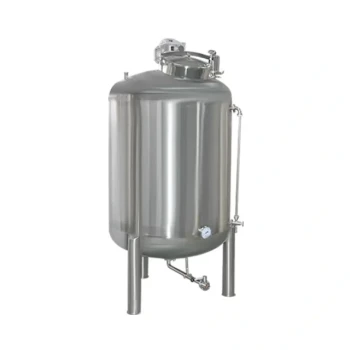
- Stainless Steel Honey Storage Tank with Lid for Honey
- Professional Honey Storage Tank with Agitation System
- Plastic Honey Comb Frames Cassette Box for Honey
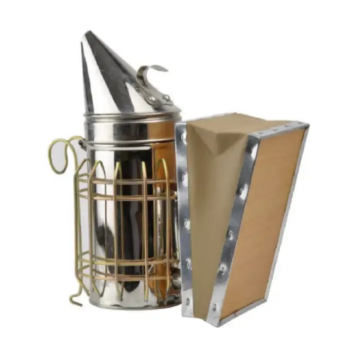
- Stainless Steel Honey Bee Smoker Hive and Honeycomb Smoker for Beekeeping
- Food Grade Plastic Honey Bucket Pail for Beekeeping
People Also Ask
- What economic role do honey storage tanks play? Boost Your Revenue Through Strategic Inventory Management
- What roles do industrial honey storage tanks and filtration meshes play in processing? Ensure Purity & Consistency
- What is the purpose of a honey storage tank? Streamline Your Honey Processing for Quality & Efficiency
- What are honey storage tanks used for? Essential Features for Quality Preservation and Profit
- How do large honey storage tanks and gravity fall filling systems improve honey packaging efficiency and safety?