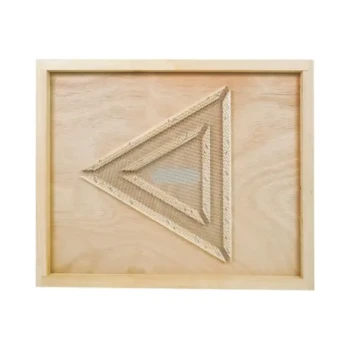
Mite screen boards provide a critical physical record of colony health by capturing naturally fallen Varroa mites and general colony debris. Situated at the bottom of the hive, these structural components allow you to quantify the degree of parasitic infestation without ever exposing the bees to the stress of an open inspection.
Core Insight: Mite screen boards function as a diagnostic interface that converts raw debris into actionable intelligence. By tracking the "natural drop" of mites over time, you gain a continuous, dynamic view of infestation trends, allowing you to formulate control strategies based on evidence rather than guesswork.
The Core Physical Indicators
Quantifying Parasitic Infestation
The primary data point provided by these boards is the count of naturally fallen Varroa mites. Because mites fall off bees or die naturally at a rate correlated to the total population, this physical count serves as a direct index of the infestation severity.
Analyzing Colony Debris
In addition to parasites, the boards capture colony debris. While the primary focus is mites, the presence of wax cappings and other hive detritus confirms the colony's location within the hive body and provides general proof of biological activity above the screen.
Why This Data Methodology Matters
Continuous Dynamic Monitoring
Single data points can be misleading; screen boards excel at providing continuous dynamic data. This allows you to track the trajectory of the mite population over days or weeks, offering a moving picture of colony health rather than a static snapshot.
Non-Invasive Assessment
The most significant advantage of this data collection method is that it is zero-impact. You obtain vital health metrics without opening the hive, ensuring the internal climate remains stable and the bees are not physically harmed or agitated during the count.
Understanding the Trade-offs
Passive vs. Active Collection
Screen boards rely on passive collection. Because they only catch what naturally falls, the data requires interpretation over time to be accurate; it is a measure of "drop rate," which must be correlated to total population size.
The Maintenance Requirement
To ensure the data remains a reliable "direct basis" for strategy, the boards are treated as structural monitoring consumables. They must be checked and cleaned regularly; otherwise, debris accumulation will obscure mite counts and render the data useless.
Making the Right Choice for Your Goal
When integrating mite screen boards into your apiary management, consider your specific objectives:
- If your primary focus is Pest Management: Use the mite drop count to establish a baseline threshold; trigger chemical or mechanical interventions only when the daily drop rate exceeds safe levels.
- If your primary focus is Colony Preservation: Rely on the non-invasive nature of the boards to monitor weak or stressed colonies during poor weather, as you can check health status without risking the chill of an open inspection.
The screen board is your first line of defense, turning the hive floor into a dashboard for proactive decision-making.
Summary Table:
| Data Point | Physical Indicator | Strategic Value |
|---|---|---|
| Natural Mite Drop | Physical count of fallen Varroa mites | Direct index of infestation severity and population trends. |
| Colony Debris | Wax cappings and biological hive detritus | Confirms colony location and level of biological activity. |
| Time-Series Data | Cumulative counts over specific intervals | Provides dynamic monitoring to track population trajectories. |
| Climate Stability | Zero-impact monitoring (no hive opening) | Maintains internal hive temperature and reduces bee stress. |
Optimize Your Apiary with HONESTBEE Precision Equipment
For commercial apiaries and distributors, accurate data is the foundation of a healthy bottom line. HONESTBEE provides the full spectrum of professional beekeeping tools, machinery, and consumables designed for high-performance colony monitoring. From specialized hardware like honey-filling machines to essential hive components like mite screen boards, we supply everything you need to scale your operations.
Ready to upgrade your professional beekeeping inventory? Contact our wholesale experts today to discuss your equipment needs.
References
- Antoine Clermont, Marco Beyer. Virus Status, Varroa Levels, and Survival of 20 Managed Honey Bee Colonies Monitored in Luxembourg Between the Summer of 2011 and the Spring of 2013. DOI: 10.1515/jas-2015-0005
This article is also based on technical information from HonestBee Knowledge Base .
Related Products
- Langstroth Screen Bottom Board for Beekeeping Wholesale
- Australian Pine Wood Langstroth Screen Bottom Board for Wholesale
- HONESTBEE Wooden Bee Escape Board with Triangle Mesh Design for Beekeeping
People Also Ask
- Why is the combination of a screen bottom board and a sticky trap board essential for monitoring Varroa mite? Guide
- What role do screen bottom boards and monitoring inserts play in assessing Varroa mite mortality and maintaining hive hygiene in Langstroth hives?
- What is the primary function of a standard screen bottom board when assessing honeybee grooming behavior? - Key Mite Data
- What is the primary function of a screen bottom board? Achieve Accurate Varroa Mite Assessment in Your Apiary
- Why might a screen bottom board be less effective for pest control? Understanding the 'Mixed Sunlight' Complication