Critics of queen excluders argue that these devices can lower honey quality, negatively influence colony dynamics, and fundamentally alter the labor dynamics within the hive. These concerns stem from the belief that excluders act as artificial barriers that impede the natural workflow of the bees, potentially leading to congestion and reduced harvest.
The "Honey Excluder" Effect Many opponents refer to these devices as "honey excluders" rather than queen excluders. The core argument is that by restricting worker movement and altering hive labor, beekeepers inadvertently reduce the colony's overall honey production.
Impact on Labor and Productivity
Altered Labor Dynamics
The primary criticism regarding labor is that workers often struggle or are reluctant to squeeze through the excluder's gaps. This resistance changes how the colony allocates its workforce.
Reduced Honey Production
When worker bees are hesitant to cross the barrier into the honey supers, they may stop storing nectar above the brood nest. This leads to lower honey yields in the supers, validating the "honey excluder" nickname.
Backfilling and Congestion
If workers refuse to pass the excluder, they may store honey and pollen in the brood boxes instead. This "backfilling" restricts the queen's laying area, leading to rapid hive congestion.
Swarming Risks
The congestion caused by backfilling creates a false sense of overcrowding. Consequently, this mismanagement of space can trigger an impulse to swarm, causing the beekeeper to lose half the colony.
Negative Influence on Colony Dynamics
Physical Damage to Workers
A significant criticism involves the physical toll on the bees. Some excluders, particularly stamped plastic models, may have sharp edges that can damage worker wings, effectively shortening their lifespan.
Drone Entrapment
Excluders disrupt the natural movement of drones (male bees). Drones are larger than workers and cannot pass through the gaps; they can become trapped and die above the excluder, or their bodies may clog the device.
Ventilation and Overheating
Bees have a tendency to build burr comb (excess wax) on the excluder itself. This can significantly reduce airflow through the hive, leading to overheating during hot weather.
The "Natural" Argument
Proponents of natural beekeeping argue that restricting the queen is inherently unnatural. They believe the queen should have free reign to move and lay eggs wherever she chooses within the hive.
Understanding the Trade-offs: Material Selection
Different materials introduce specific drawbacks that contribute to the general criticism of excluders.
Plastic Excluders
Plastic models are often criticized for being flimsy and prone to warping or sagging, which ruins the precise spacing needed to exclude the queen. They are harder to clean (cannot be scorched with heat) and become brittle over time, especially after gamma irradiation.
Metal Excluders
While generally more durable, metal excluders are significantly heavier and more expensive. They conduct heat and cold, potentially affecting the hive's internal temperature, and galvanized versions may eventually rust.
Maintenance Requirements
Regardless of material, all excluders require regular cleaning. Bees will fill gaps with wax and propolis, which creates an ongoing maintenance burden for the beekeeper to ensure the device functions correctly.
Making the Right Choice for Your Goal
If you are deciding whether to utilize a queen excluder, consider your specific management philosophy:
- If your primary focus is Natural Beekeeping: Avoid excluders to allow the queen unrestricted movement and prevent artificial barriers in the hive.
- If your primary focus is Maximizing Worker Health: Avoid stamped plastic excluders with sharp edges that can damage wings and reduce the workforce's lifespan.
- If your primary focus is Swarm Prevention: Monitor the brood nest closely for backfilling, as excluders can cause congestion even when empty supers are available above.
Success with queen excluders relies on balancing the convenience of a queen-free super against the potential disruption of the colony's natural flow.
Summary Table:
| Criticism Category | Specific Issues | Potential Impact on Colony |
|---|---|---|
| Honey Production | "Honey Excluder" effect & nectar backfilling | Lower honey yields and reduced storage efficiency |
| Colony Health | Wing damage & drone entrapment | Shortened worker lifespan and hive hygiene issues |
| Hive Management | Increased swarm impulse & burr comb | Loss of colony population and poor ventilation |
| Material Flaws | Warping (plastic) or rusting (metal) | Compromised bee space and maintenance burden |
Optimize Your Apiary with HONESTBEE
Are the tools in your hive helping or hindering your productivity? At HONESTBEE, we understand the delicate balance between efficient hive management and colony health. We cater to commercial apiaries and global distributors, providing a comprehensive wholesale range of high-quality beekeeping equipment—from precision-engineered metal queen excluders to advanced honey-filling machinery.
Whether you are scaling your honey production or looking for durable consumables that respect your bees' natural workflow, our team is here to support your success. Contact us today to discuss our wholesale offerings and discover how our specialized beekeeping hardware and cultural merchandise can add value to your business.
Related Products
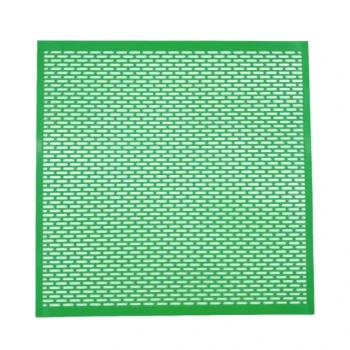
- High Performance Plastic Queen Excluder for Beekeeping and Apiary Management
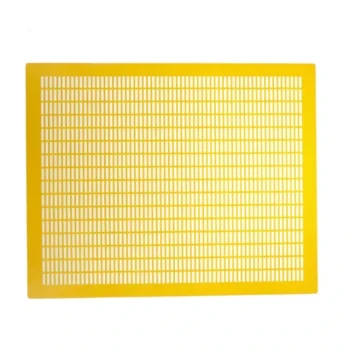
- Professional Plastic Queen Excluder for Modern Beekeeping
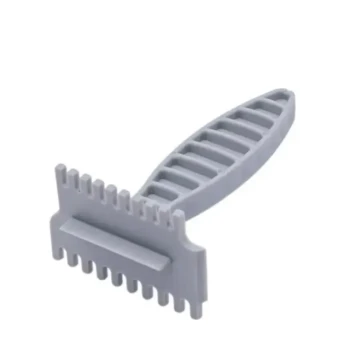
- Lightweight Durable Plastic Queen Excluder Scraper for Beekeeping
- Metal Queen Bee Excluder for Beekeeping
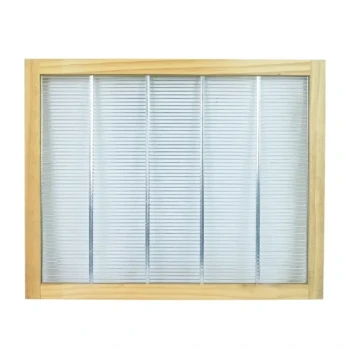
- Premium Wood Framed Metal Wire Queen Bee Excluder
People Also Ask
- What are the characteristics of a plastic queen excluder? Key Benefits for Cost-Effective Beekeeping
- What are the operational and cost advantages of using plastic queen excluders over metal or wire excluders in commercial hive management? Discover how they reduce labor, prevent wing damage, and lower total costs.
- What types of queen excluders are available for beekeepers? Choose the Right Tool for Your Hive
- Why are standardized hive frames and queen excluders essential for maintaining honey purity and quality? Scale Your Purity
- Do plastic queen excluders work? A Cost-Effective Solution for Modern Apiaries