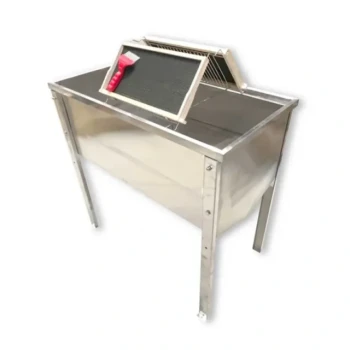
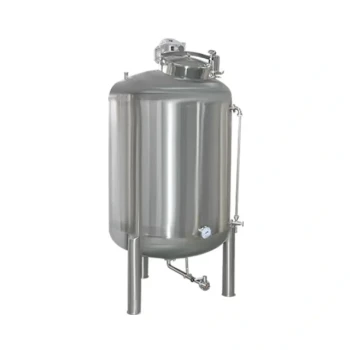
Honey processing tanks are primarily categorized by their structural orientation and base geometry, specifically available in horizontal, cone bottom, flat bottom, and vertical designs. The selection of a specific design configuration is driven by your facility's operational needs, such as available floor space, drainage requirements, and volume capacity.
The optimal honey tank design combines the correct physical geometry for your workflow—such as a cone bottom for drainage or a vertical orientation for space saving—with modern thermal features like insulation and overheat protection to ensure energy efficiency and product safety.
Structural Design Configurations
The physical shape of the tank dictates how it integrates into your processing line and how effectively it handles the viscous nature of honey.
Base Geometry Options
Cone bottom designs utilize gravity to facilitate complete drainage. This geometry is particularly effective for high-viscosity fluids like honey, minimizing product loss during transfer or cleaning.
Flat bottom designs offer a standard storage solution. While simple, they may require different mechanisms or manual intervention to ensure the vessel is completely emptied compared to conical counterparts.
Orientation and Footprint
Vertical tanks are designed to maximize volume while minimizing the facility footprint. These are ideal for operations where floor space is at a premium.
Horizontal tanks spread the weight over a larger area. This orientation can provide easier access for maintenance or manual processing steps, depending on the height of your facility's ceiling and equipment layout.
Functional Design Features
Beyond the physical shape, modern tank designs incorporate specific features to manage temperature and hygiene.
Material Construction
High-quality processing tanks are fabricated from stainless steel. This material is the industry standard for hygiene and durability, applied across various equipment types including vats, pasteurizers, liquefiers, and cooker/coolers.
Thermal Efficiency Systems
Modern heating tanks focus on energy conservation. Designs often feature heavy insulation to retain heat, which significantly reduces the frequency of reheating cycles.
Low power consumption components are increasingly common. These systems are engineered to maintain necessary processing temperatures without driving up operational costs.
Safety and Stability Mechanisms
Advanced tank designs include built-in safety protocols. These often feature overheat protection, automatic shut-off functions, and temperature alarms to prevent damage to the honey or the equipment.
Structural stability is also a key design element. Robust fabrication ensures the tank remains stable during operation, preventing tipping accidents even when fully loaded.
Understanding the Trade-offs
While advanced features add value, they also introduce variables you must weigh against your specific needs.
Efficiency vs. Upfront Cost
Heavily insulated tanks with advanced energy-saving features typically carry a higher initial price tag. However, relying on non-insulated or older designs will result in higher long-term operating costs due to heat loss and increased energy consumption.
Automation vs. Complexity
Tanks equipped with automatic shut-offs and temperature alarms provide peace of mind and protect your product. However, these electronic safety features require regular testing to ensure they do not fail silently, unlike simpler mechanical designs.
Selecting the Right Configuration for Your Facility
To choose the correct tank design, match the geometry and feature set to your primary operational constraint.
- If your primary focus is efficient drainage and waste reduction: Prioritize a cone bottom design to allow gravity to assist in emptying high-viscosity honey.
- If your primary focus is minimizing operational costs: Select a model featuring robust insulation and low-power heating elements to reduce energy expenditure over time.
- If your primary focus is operator safety and risk mitigation: Choose a tank with integrated overheat protection, alarms, and a wide, stable base to prevent accidents.
The best tank design is one that physically fits your space while chemically and thermally protecting the integrity of your honey.
Summary Table:
| Design Feature | Configuration Options | Key Benefit |
|---|---|---|
| Base Geometry | Cone Bottom, Flat Bottom | Gravity-assisted drainage vs. standard storage |
| Orientation | Vertical, Horizontal | Space-saving footprint vs. easier maintenance access |
| Thermal Control | Insulated, Double-Walled | Energy conservation and consistent heat retention |
| Safety Systems | Overheat Protection, Alarms | Product integrity and operator safety |
| Material | Stainless Steel | Hygiene, durability, and industry compliance |
Maximize Your Honey Production Efficiency with HONESTBEE
At HONESTBEE, we specialize in empowering commercial apiaries and distributors with high-performance beekeeping solutions. Whether you require precision honey-filling machines, specialized hive-making hardware, or custom honey processing tanks designed for maximum yield, our comprehensive wholesale offering has you covered.
From industrial-grade machinery to essential consumables and honey-themed cultural merchandise, we provide the tools you need to scale your operations. Contact us today to discuss how our specialized equipment can streamline your workflow and reduce your long-term operational costs.
Related Products
- Heavy Duty Stainless Steel Honey Processing Machine Decrystallizing Tank
- Stainless Steel Uncapping Tank with Stand and Strainer
- Stainless Steel Honey Storage Tank with Lid for Honey
- Professional Honey Storage Tank with Agitation System
- Stainless Steel Honey Storage and Settling Tank with Double Strainer
People Also Ask
- What are the features of the processing tanks offered? Engineered for Purity and Efficiency
- What types of stainless steel processing tanks are used for honey? Essential Equipment for Quality Honey Production
- What types of stainless steel are used for honey processing? Ensure Food Safety with 304 & 316 Grade Equipment
- Why is industrial-grade stainless steel processing equipment required for honey harvesting? Ensure Purity & Compliance
- Why is professional honey de-crystallization equipment essential? Preserve Quality and Maximize Processing Efficiency