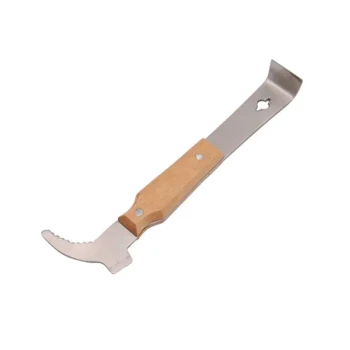
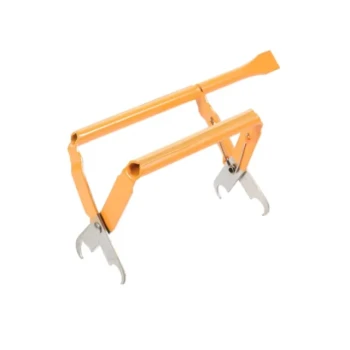
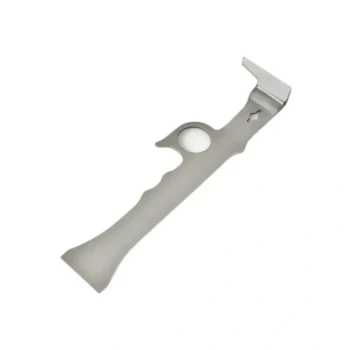
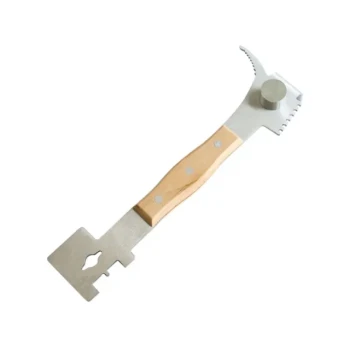
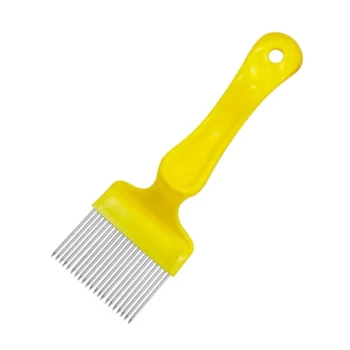
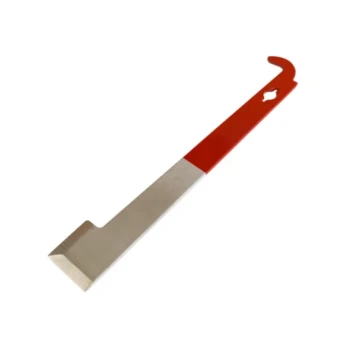
The overriding design principle for beekeeping tool handles is the maintenance of a neutral wrist position during operation. For frequently used manual tools such as hive scrapers and smokers, the handle geometry must be engineered to allow the user to grip and exert force without bending, twisting, or angling the wrist. This alignment is the primary technical requirement for reducing physiological stress during hive inspections.
By designing handles that keep the wrist aligned with the forearm, you minimize compression on the median nerve. This neutral-position focus is the most effective strategy for preventing Carpal Tunnel Syndrome and sustaining long-term hand health in beekeepers.
The Physiology of Beekeeping Ergonomics
The Risk of Repetitive Strain
Beekeeping requires the consistent use of portable tool sets for essential tasks like maintaining colony order and cleaning hives.
These operations are not one-off events; they involve repetitive motions such as scraping propolis or pumping smoker bellows.
The Mechanism of Injury
When a tool handle forces the wrist out of a straight alignment, it creates internal pressure.
Non-neutral postures (bending the wrist up, down, or sideways) while gripping increase pressure within the carpal tunnel.
This pressure compresses the nerves, specifically leading to repetitive strain injuries.
The Core Principle: Neutral Position Design
Defining "Neutral Position"
The gold standard for tool handle design is a shape that encourages a straight line from the forearm through the hand.
The handle should not require the user to flex (bend down) or extend (bend back) the wrist to use the tool effectively.
Application to Hive Tools
Hive tools are primarily used for prying and scraping.
An ergonomic handle design allows the beekeeper to apply the necessary leverage for these distinct physical interfaces without contorting the wrist.
Application to Smokers
Smokers require a repetitive squeezing motion to pump air.
The handle and bellows design must allow the fingers to actuate the pump while the wrist remains rigid and straight, rather than curled.
Understanding the Trade-offs
The "Universal Fit" Problem
While a neutral position is the goal, hand sizes vary significantly among beekeepers.
A handle designed to keep a large hand neutral may force a smaller hand into an awkward, non-neutral grip to reach the controls.
Form vs. Function
Strict adherence to ergonomic shaping must not compromise the tool's utility.
If a handle is perfectly ergonomic but makes the tool difficult to maneuver inside tight hive spaces, it fails its primary purpose of enabling efficient colony management.
Making the Right Choice for Your Health
To ensure longevity in your beekeeping practice, evaluate your tools based on how they interact with your specific biomechanics.
- If your primary focus is preventing chronic injury: Select tools with handles that naturally align your hand with your forearm during the tool's most forceful action (e.g., prying or squeezing).
- If your primary focus is efficiency during inspections: Choose tools where the ergonomic grip allows for precise control, ensuring that "safety" does not come at the cost of clumsy tool handling.
By prioritizing neutral wrist alignment in your equipment, you transform a physically demanding hobby into a sustainable, long-term practice.
Summary Table:
| Ergonomic Feature | Design Principle | Benefit to Beekeeper |
|---|---|---|
| Neutral Alignment | Keeps hand in line with the forearm | Minimizes pressure on the median nerve |
| Handle Geometry | Engineered for prying/squeezing force | Reduces repetitive strain during scraping |
| Bellows Design | Allows finger actuation with a rigid wrist | Prevents wrist curling during smoker use |
| Size Optimization | Matches handle diameter to hand size | Ensures a secure, non-contorted grip |
Protect Your Team’s Health with HONESTBEE Ergonomics
Long-term beekeeping success starts with the right equipment. HONESTBEE provides commercial apiaries and distributors with premium, ergonomically designed beekeeping tools and machinery that prioritize safety and efficiency. From precision hive-making and honey-filling machines to high-quality manual tools and industry consumables, our wholesale portfolio is built to support your growth.
Ready to upgrade your apiary or stock the best equipment for your customers?
Contact us today to explore our comprehensive wholesale offerings!
References
- Özgür Özgün, İsa Ak. Ergonomics in Beekeeping Activities. DOI: 10.46810/tdfd.1405223
This article is also based on technical information from HonestBee Knowledge Base .
Related Products
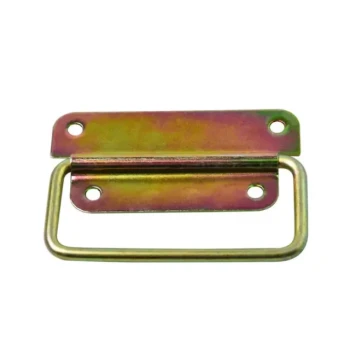
- Professional Drop-Style Hive Handles for Beekeeping
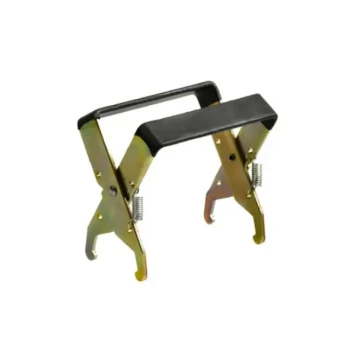
- Durable Rubberized Comfort Handle Frame Grip
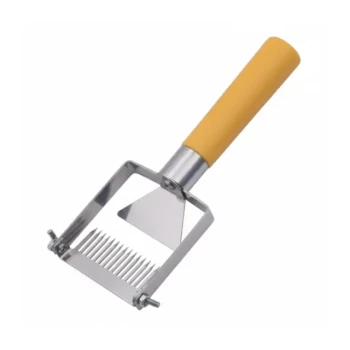
- Adjustable Stainless Steel Honey Uncapping Fork with Plastic Handle for Beekeeping
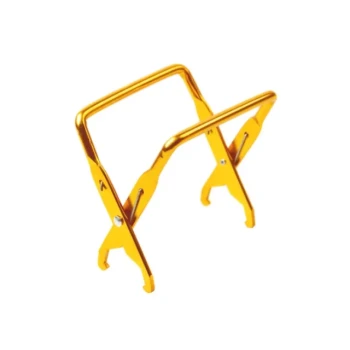
- Lightweight Aluminum Frame Grip
- Durable Galvanized Steel Frame Grip
People Also Ask
- How do the geometry and dimensions of hive handles influence operational safety and control? Expert Design Insights
- How do bee hive handles facilitate the evaluation of food stores? Use the Lift Test for Winter Survival
- What is the primary function of frame grips in beekeeping? Master Hive Inspections with Stability
- Why use a split bamboo clamp for Giant Honey Bee hive relocation? Ensure Structural Integrity & Colony Survival
- What are the functional advantages of lid handles on beehives? Boost Commercial Apiary Efficiency and Worker Safety