The recommended process is simple: drain, rinse, melt indirectly, filter, and mold. Use a double uncapping tank to recover residual honey from the cappings, then wash the wax in warm water and strain it until the rinse water runs clear. Melt it only with indirect heat—such as a double boiler, steam wax extractor, or solar wax extractor—before filtering the liquid wax through fine, lint-free material into molds.
Core takeaway: Clean cappings wax depends more on controlled handling than on complex machinery. Separate the honey first, remove water-soluble residue and debris, use indirect heat for safety, and filter the molten wax before molding.
Equipment Required for Efficient Cappings-Wax Recovery
Honey-draining equipment
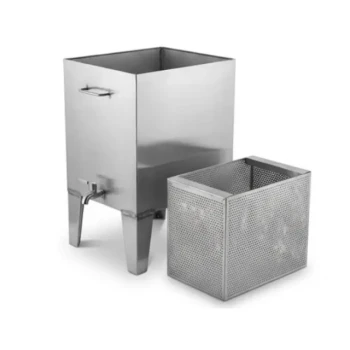
A double uncapping tank is the preferred first-stage equipment. It supports the cappings while allowing residual honey to drain by gravity over several days.
For small batches, a suitable container and draining setup may work, but a double uncapping tank is more efficient and easier to manage for beekeepers, resellers, and commercial processors.
Washing and straining equipment
Prepare a clean container or pail for rinsing the cappings with warm, not hot, water. A honey strainer, fine metal sieve, or colander separates the wax from the rinse water and loosened residue.
The straining equipment should be clean and dedicated to food or wax processing. Fine mesh is useful for retaining small wax particles while allowing water and dissolved honey to pass through.
Indirect-heating equipment
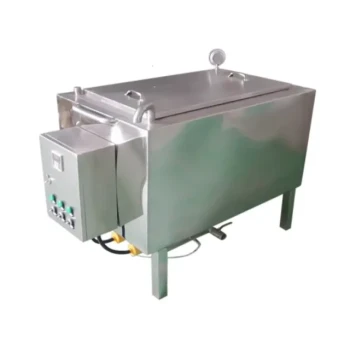
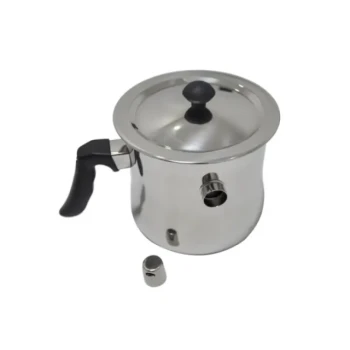
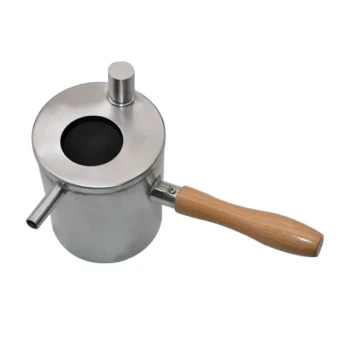
Use a double boiler or bain-marie for controlled small-scale melting. For larger operations, a steam wax extractor or solar wax extractor can improve throughput and reduce manual handling.
Beeswax must not be placed directly over an open flame. Molten wax is highly flammable, so indirect heating is a fundamental safety requirement.
Filtration and molding equipment
Keep cheesecloth, fine mesh, or another lint-free filter material available for the final filtration stage. Some commercial processors use specialized fine filter media or liners to capture residual debris.
Use clean wax block molds, preferably with sloped sides, so the solidified blocks can be removed easily and handled for storage, resale, or further manufacturing.
The Recommended Rendering Procedure
1. Separate the cappings from the honey
Place freshly removed cappings in the double uncapping tank. Leave them undisturbed for several days so gravity can drain as much residual honey as possible.
This step improves wax cleanliness and preserves recoverable honey instead of mixing it into the wash water or melting vessel.
2. Rinse the drained cappings
Transfer the drained cappings into a clean container and add warm water. Stir or agitate the material gently to loosen remaining honey and sugar residues.
Avoid hot water, which can make the material unnecessarily difficult to handle and may increase wax loss during washing.
3. Strain until the rinse water is clear
Pour the cappings and rinse water through a honey strainer, colander, or fine metal sieve. Repeat the rinse-and-strain cycle with fresh water until the water appears clear.
Several rinses may be required, depending on how much honey remains. Do not rely on a single rinse when the water is still visibly cloudy or sticky.
4. Remove excess water and dry the cappings
Allow the washed wax to drain thoroughly. It should also be allowed to air-dry before melting whenever practical.
Reducing retained water helps prevent processing problems and limits the risk of fermentation from residual honey and moisture.
5. Melt the wax using indirect heat
Place the washed cappings in a double boiler, bain-marie, steam extractor, or solar wax extractor. Heat the wax under supervision until it becomes fully liquid.
Never melt beeswax directly over an open flame, and never leave heating wax unattended. The heating system should provide stable, indirect heat rather than exposed combustion.
6. Filter the molten wax
While the wax is liquid, pour it through several layers of cheesecloth, fine mesh, or another suitable lint-free filter. This removes bee parts, cocoons, pollen, dirt, and other solid impurities.
Use a clean receiving vessel and avoid squeezing contaminated filter material into the filtered wax, as this can reintroduce debris.
7. Pour into clean molds
Transfer the filtered liquid wax into clean block molds. Sloped-sided molds make the finished blocks easier to release after cooling.
Allow the blocks to cool and solidify undisturbed. Once firm, remove them from the molds and store them in a clean, dry location.
How to Organize the Process for Higher Throughput
Separate each processing stage
For efficient operations, keep draining, washing, melting, filtration, and molding as distinct work stages. This prevents dirty cappings from entering clean processing areas and reduces cross-contamination between batches.
A simple one-direction workflow also makes it easier for staff to identify where a batch is in the process.
Match equipment to batch volume
Small apiaries can generally use a double uncapping tank, pail, sieve, double boiler, cheesecloth, and block molds. Larger beekeeping operations and commercial processors may benefit from steam or solar extraction equipment.
The correct choice depends on batch size, available labor, energy access, and the required delivery schedule—not simply on the purchase price of the melter.
Standardize batch handling
Use consistent procedures for drainage time, washing, filtration, and molding. Standardization helps distributors, wholesalers, and manufacturers provide more predictable block quality across multiple supplier batches.
Clean, clearly labeled equipment and documented batch handling also make order fulfillment and customer service more reliable.
Understanding the Trade-offs
Washing improves cleanliness but can reduce honey recovery
Rinsing removes honey and sugar residues from the cappings, but it also creates a honey-containing wash stream. The process should therefore be planned so recoverable honey is drained before washing rather than diluted unnecessarily.
The objective is to separate valuable honey first and use washing only for the residue that remains on the wax.
Fine filtration improves appearance but slows processing
Cheesecloth and fine mesh produce cleaner wax by removing small particles, but they filter more slowly than coarse material and may need frequent replacement or cleaning.
For commercial processing, filtration capacity should be sized to the melting system so the filter does not become the bottleneck.
Solar and steam systems have different operating constraints
Solar extractors can reduce reliance on fuel or electrical heating but depend on suitable sunlight and operating conditions. Steam extractors can support higher-throughput processing but require more specialized equipment and careful operation.
A double boiler remains a practical option for smaller batches, while commercial processors should select equipment according to volume and workflow requirements.
“Clean” does not automatically mean fully refined
Cappings wax processed by draining, washing, melting, and filtering can produce clean wax blocks suitable for many uses. However, the final appearance and purity still depend on the original cappings, the effectiveness of washing, and the quality of filtration.
If a buyer requires a tightly specified industrial or manufacturing grade, the processing specification and quality requirements should be agreed in advance.
Common Safety and Quality Errors to Avoid
Do not use direct flame
Direct heating creates an unacceptable fire risk because beeswax is highly flammable. Use a double boiler, steam system, solar extractor, or another indirect-heating method instead.
Do not leave melting wax unattended
Even with indirect heating, the process requires supervision. Keep the heating area controlled and ensure the operator can respond quickly to overheating or equipment problems.
Do not mold wet or poorly filtered wax
Excess water and suspended debris can reduce the quality and storage stability of the finished blocks. Drain and dry the washed cappings, then filter the molten wax carefully before molding.
Do not mix different wax streams without a clear purpose
Fresh cappings wax is generally cleaner than old or damaged brood comb wax. Keeping these streams separate can help preserve the higher value and more consistent characteristics of cappings-derived material.
How to Apply This to Your Operation
The most efficient setup is the one that matches your batch volume while preserving the same controlled sequence.
- If your primary focus is small-apiary processing: Use a double uncapping tank, warm-water rinse container, honey strainer, double boiler, cheesecloth, and removable block molds.
- If your primary focus is commercial throughput: Evaluate steam or solar wax extractors, higher-capacity filtration, dedicated processing stations, and standardized batch procedures.
- If your primary focus is premium wax quality: Prioritize clean cappings, complete honey drainage, repeated rinsing, thorough drying, and fine final filtration.
- If your primary focus is wholesale or resale supply: Use consistent equipment and documented handling steps so every shipment provides predictable block cleanliness, format, and order fulfillment.
With the right equipment and disciplined sequencing, cappings can be converted efficiently into clean, valuable beeswax blocks.
Summary Table:
| Equipment | Purpose |
|---|---|
| Double uncapping tank | Drain residual honey from cappings |
| Warm water container | Rinse cappings to remove residues |
| Honey strainer/colander | Separate wax from rinse water |
| Double boiler / steam extractor / solar extractor | Melt wax indirectly for safety |
| Cheesecloth / fine mesh | Filter molten wax to remove impurities |
| Sloped-sided molds | Shape wax into blocks for easy release |
Ready to upgrade your beeswax processing? Partner with HONESTBEE for top-quality equipment and supplies tailored to commercial apiaries and distributors. Our comprehensive range includes uncapping tanks, steam extractors, filtration media, and molds—plus expert support, quick delivery, and OEM/ODM options. Contact us today to boost efficiency and profitability. Request a quote.
Related Products
- Beeswax Machine Press Embosser Wax Foundation Mold Printer Bee Hive Equipment Making Sheet
- Fully Automatic Beeswax Embossing Machine Foundation Mill
- Electric Flatting and Embossing Machine with Tray for Beekeeping
- Manual Beeswax Flat Sheet Machine for Beeswax Processing
- Electric Beeswax Flat Sheet Machine with Operating Tray for Wax Processing
People Also Ask
- What equipment is needed to make beeswax foundation? A Guide to DIY Wax Sheet Production
- What miscellaneous equipment is needed for making foundation? A Guide to the Essential Tools
- What miscellaneous equipment is useful when making beeswax foundation? Essential Support Tools for Beekeepers
- What specific equipment is required for making beeswax foundation? Essential Tools for High-Quality Production
- What is the recommended temperature for melting beeswax to make foundation sheets? Master the 70°C-80°C Ideal Range