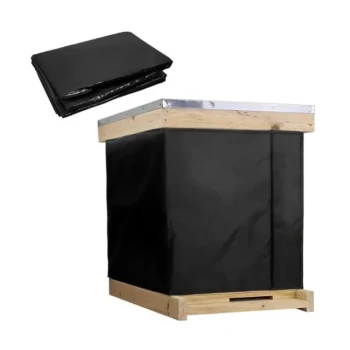
Protecting honeybee colonies in summer requires a dual approach: managing internal thermal regulation and fortifying defenses against predators. To combat extreme heat, beekeepers should utilize high-precision insulated hives and monitor natural behaviors like "bearding," while simultaneously employing entrance reducers and weekly inspections to repel wasps and honey robbers.
By combining thermal buffering with strategic defensive barriers, you reduce the colony's energy expenditure and stress. This allows the bees to focus on maintaining a stable reproductive cycle rather than fighting a two-front war against the climate and predators.
Managing Thermal Stress and Microclimates
Recognizing Natural Thermoregulation
During periods of high heat and humidity, particularly in July, you may observe bees clustering on the exterior of the hive. This behavior, known as bearding, is a natural technique used by the colony to regulate internal temperatures. By moving bodies outside, they reduce the internal heat load and improve airflow within the brood nest.
The Role of Insulated Equipment
To assist the bees in this effort, the use of high-precision manufactured insulated hives is highly effective. These hives utilize advanced physical sealing and material insulation technology to create a buffer against drastic temperature swings.
Reducing Energy Expenditure
Standard wooden hives can fluctuate wildly in temperature, forcing bees to consume honey and expend significant energy fanning or clustering to compensate. Insulated hives stabilize the internal microclimate. This reduction in heat stress protects the colony's reproductive capacity and ensures the stability of their life cycle, even during events like a rise in the warm night index.
Defending the Colony Against Summer Pests
Installing Entrance Reducers
Summer brings an increase in external threats, including wasps and "honey robbers" (bees from other colonies looking to steal resources). To counter this, you must install entrance reducers. These simple tools narrow the hive's opening, creating a bottleneck that is much easier for the colony's guard bees to defend.
Continuing Vigilance
Hardware alone is insufficient for total protection. Beekeepers must continue a regimen of weekly inspections. These checks are vital for identifying early signs of disease or pest infestation that an entrance reducer cannot prevent.
Understanding the Trade-offs
Interpreting Hive Activity
A common mistake is misinterpreting bearding as a sign of imminent swarming. While they look similar, bearding is a temporary reaction to heat. Reacting to bearding by splitting the hive unnecessarily can disrupt colony productivity.
Balancing Ventilation and Defense
There is often a perceived tension between ventilation (keeping the hive cool) and defense (closing it up). However, when predator pressure is high, defense takes precedence. The use of insulated hives mitigates the heat risk, allowing you to safely use entrance reducers without cooking the bees inside.
Making the Right Choice for Your Goal
To apply these strategies effectively, assess your specific local conditions:
- If your primary focus is reducing colony stress: Prioritize insulated hive bodies to buffer against temperature spikes and reduce the metabolic energy bees burn to stay cool.
- If your primary focus is preventing robbery and predation: Install entrance reducers immediately during mid-summer and maintain a strict schedule of weekly internal inspections.
Effective summer management is about minimizing external variables so your bees can focus on what they do best: survival and production.
Summary Table:
| Protection Category | Recommended Equipment/Technique | Primary Benefit |
|---|---|---|
| Heat Mitigation | Insulated Hive Bodies | Stabilizes microclimate and reduces energy expenditure. |
| Temperature Regulation | Monitoring "Bearding" | Natural indicator of heat stress; prevents unnecessary hive splitting. |
| Pest Defense | Entrance Reducers | Creates a defensible bottleneck against wasps and robbers. |
| Maintenance | Weekly Inspections | Early detection of diseases and pest infestations. |
| Systemic Stability | Physical Sealing Technology | Buffers against drastic temperature swings and night index rises. |
Maximize Your Colony Productivity with HONESTBEE
Don't let summer heat and predators undermine your apiary's output. HONESTBEE specializes in supporting commercial apiaries and distributors with professional-grade solutions designed for durability and efficiency.
Our comprehensive wholesale range includes:
- Advanced Insulated Hive-Making Machinery: Ensure superior thermal buffering for every colony.
- Precision Beekeeping Tools & Hardware: From entrance reducers to honey-filling machines.
- Essential Industry Consumables: Everything you need to maintain colony health and defense.
Whether you are scaling your commercial honey production or stocking a distribution network, our expertise in beekeeping hardware and cultural merchandise ensures you stay ahead of the curve.
Ready to upgrade your equipment? Contact HONESTBEE today to explore our wholesale catalog and see how we can optimize your beekeeping operations.
Related Products
- Professional Insulated Plastic Bee Hives
- Professional Insulated Winter Hive Wrap for Beekeeping
- Inner Beehive Cover for Beekeeping Bee Hive Inner Cover
- In-Hive Dual Compartment Frame Bee Feeder for Targeted Colony Nutrition
- Stainless Steel Round Beehive Air Vents for Ventilation
People Also Ask
- What are the advantages of plastic bee hives? Boost Efficiency & Durability for Your Apiary
- Are plastic bee hives any good? Unlock Durability & Efficiency for Your Apiary
- How do plastic bee hives compare to wooden hives in handling? Reduce Strain & Boost Efficiency
- Are plastic bee hives good? Durable, Low-Maintenance Hives for Modern Apiaries
- What are the disadvantages of plastic beehives? Key Operational and Environmental Risks Exposed