Commercial migratory apiaries need transport-ready hive systems, not standard stationary equipment. The essential features are effective ventilation, secure load retention, durable hive bodies, modular stacking, and transport-resistant frames. Together, these features reduce heat stress, physical damage, comb failure, and colony disruption during repeated movement between seasonal nectar flows.
Successful migratory beekeeping depends on keeping colonies cool, stable, structurally protected, and easy to handle throughout loading, transport, unloading, and field operations.
Build the Hive Around Safe Transport
Ventilated Covers and Screens
Migratory hives need ventilated covers, migration screens, or screened transit systems that allow continuous airflow while preventing bees from escaping.
Ventilation is especially important during hot-weather transport, when confined colonies can overheat. Screened bottom boards can improve air circulation and help reduce heat stress during long-distance movement.
Controlled Airflow Openings
Hive bodies may include front ventilation openings, such as the 25 mm holes used in some standardized designs, to support airflow during summer colony growth and transport.
These openings should be designed with secure screening or closure options so the beekeeper can balance ventilation, weather protection, and colony containment.
Heat-Resistant Transport Design
Ventilation components should work as a complete system with the cover, bottom board, and hive body. A single screened component cannot compensate for blocked airflow elsewhere in the hive stack.
Distributors should therefore offer compatible covers, screens, bottom boards, and fastening systems rather than treating them as unrelated accessories.
Prevent Hive Movement and Collapse
Heavy-Duty Straps and Fasteners
Every hive stack requires heavy-duty hive straps, fasteners, or locking mechanisms that keep boxes aligned during loading, vibration, and unloading.
The system should be quick to apply but strong enough to prevent separation of hive bodies on rough roads. Securement hardware is particularly important when colonies are stacked with multiple brood bodies or honey supers.
Reinforced Hive Bodies
Hive boxes should use durable timber or dense synthetic materials with strong corner joints and reliable dimensional stability.
Frequent transport exposes boxes to lifting forces, vibration, moisture, and repeated impacts. Weak corners, warped bodies, or poorly secured joints can destabilize the colony and damage combs.
Modular, Stackable Construction
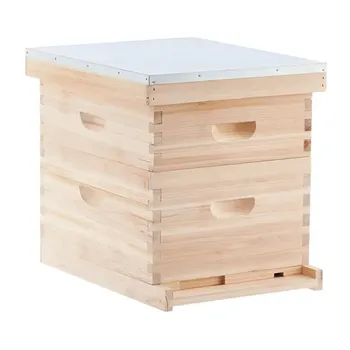
Commercial operations benefit from standardized, detachable hive compartments that can be stacked, secured, expanded, and reconfigured efficiently.
A modular system allows beekeepers to add bodies during strong nectar flows, isolate honey supers from brood chambers, and replace damaged components without discarding the entire hive.
Protect Frames and Combs During Movement
Transport-Resistant Frames
Frames should be sturdy and properly supported so combs remain stable during vibration and sudden movement.
This is essential because comb collapse can injure bees, contaminate honey, disrupt brood, and create substantial recovery work after arrival.
Standardized Dimensions
Using standardized Langstroth-style bodies and compatible frames improves interchangeability across the fleet.
Standardization also supports faster repairs, simpler inventory management, and compatibility with mechanical handling and extraction equipment.
Adequate Internal Support
Hive stacks should be configured so that frames, boxes, and covers cannot shift independently during transport.
The exact support method may vary by hive design, but the objective is consistent: minimize comb swing, box movement, and internal colony disturbance.
Design for Commercial Handling
Lifting and Loading Compatibility
Commercial equipment must be suitable for repeated loading, unloading, stacking, and field relocation.
Hive bodies and fasteners should be selected with the operation’s handling method in mind, including manual handling or mechanical transportation systems.
Practical Hive Weight and Configuration
Modular compartments make it easier to manage hive weight and configure colonies for different stages of the season.
Overly heavy or unstable stacks increase labor requirements and handling risk, particularly when colonies are moved across rough terrain or over long distances.
Mobile Inspection Equipment
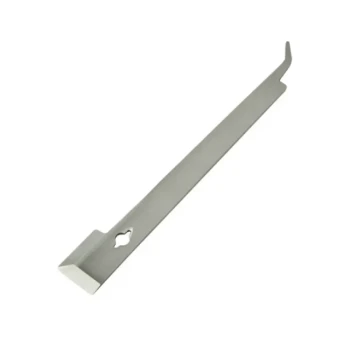
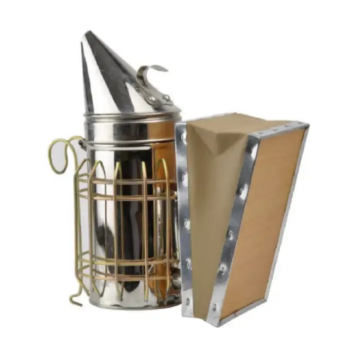
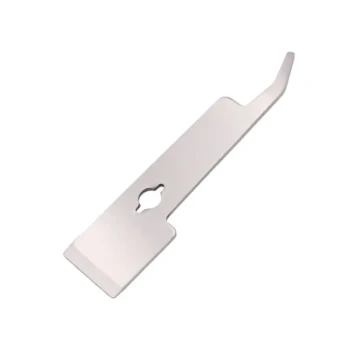
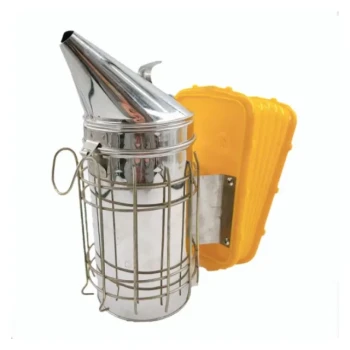
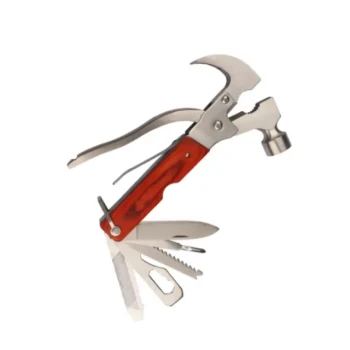
Migratory operations also need portable inspection and colony-management tools that can be used efficiently at temporary apiary sites.
Equipment should support rapid checks after arrival, including confirmation that ventilation, hive alignment, frames, and colony access points remain secure.
Support the Full Seasonal Operation
Feeding and Consumable Supply
Colonies may encounter dearth periods before or after a major nectar flow. Commercial apiaries therefore need a dependable supply of feeding equipment and routine apiary consumables.
This requirement is operational rather than purely mechanical, but it directly affects colony continuity when forage conditions change between locations.
Extraction Capacity
Large migratory operations require extraction equipment sized for peak honey flows, including high-capacity centrifugal extractors where production volumes justify them.
Transport-ready hives protect the colony during movement, while sufficient extraction capacity prevents harvest operations from becoming a bottleneck.
Replacement Parts and Fleet Standardization
A commercial supplier should be able to provide replacement hive bodies, frames, straps, screens, covers, and other compatible components as one coordinated product range.
Rapid access to standardized replacement parts is critical because a single damaged component can delay the deployment of an entire hive stack.
Understanding the Trade-offs
Wood Versus Synthetic Hive Bodies
Wooden hive bodies are widely used and can provide robust construction when made with quality timber and secure joints. Dense synthetic materials may offer durability and consistency, but the best choice depends on climate, handling systems, repair practices, and total operating cost.
The key requirement is not the material alone; it is the body’s ability to withstand repeated transport without warping, cracking, or losing structural alignment.
Maximum Ventilation Versus Weather Protection
More airflow can help control heat, but excessive or poorly controlled openings may expose colonies to rain, wind, or unwanted intrusion.
The equipment should provide controlled ventilation, ideally through coordinated screens, covers, and closure points rather than permanently open gaps.
Modularity Versus Stability
Modular hive bodies simplify expansion and replacement, but every additional joint or separation point must be properly secured during transit.
Modularity is beneficial only when paired with reliable straps, fasteners, aligned boxes, and transport procedures.
Durable Equipment Versus Initial Cost
Heavy-duty hive hardware generally requires more upfront investment than light stationary equipment.
For commercial operators, the relevant comparison is total operating value: service life, repair frequency, loading speed, colony protection, and compatibility across the entire fleet.
Making the Right Choice for Your Goal
The most effective purchasing decision starts with the operating scale, transport distance, climate, and handling method.
- If your primary focus is transport safety: Prioritize screened ventilation systems, heavy-duty straps, secure fasteners, reinforced hive bodies, and transport-resistant frames.
- If your primary focus is fleet standardization: Choose modular, interchangeable hive bodies and frames based on a consistent Langstroth-style specification.
- If your primary focus is rapid seasonal deployment: Select stackable components, quick-locking hardware, mobile inspection tools, and readily available replacement parts.
- If your primary focus is high-volume honey production: Combine transport-ready hive equipment with adequate feeding machinery, consumables, and high-capacity extraction equipment.
- If your primary focus is distributor or reseller value: Build a full-spectrum product offering that combines hive hardware, ventilation parts, securing systems, frames, handling tools, and after-sales supply support.
A well-specified migratory equipment portfolio protects colonies, accelerates field handling, and gives commercial apiaries the reliability needed to follow nectar flows profitably.
Summary Table:
| Equipment Feature | Description |
|---|---|
| Ventilated Covers and Screens | Ensure airflow and prevent overheating during transport. |
| Controlled Airflow Openings | Provide adjustable ventilation options for varying conditions. |
| Heavy-Duty Straps and Fasteners | Keep hive components secure during movement. |
| Reinforced Hive Bodies | Durable construction with strong corners to withstand transport stress. |
| Modular, Stackable Construction | Allows efficient expansion, reconfiguration, and replacement. |
| Transport-Resistant Frames | Sturdy frames that prevent comb collapse during transit. |
| Standardized Dimensions | Ensure interchangeability and simplify repairs. |
| Adequate Internal Support | Minimizes frame and box shifting during transport. |
| Lifting and Loading Compatibility | Designed for repeated handling with manual or mechanical systems. |
| Practical Hive Weight | Manageable weight and configuration for labor efficiency. |
| Mobile Inspection Equipment | Portable tools for quick checks at temporary sites. |
| Feeding and Consumable Supply | Reliable equipment and supplies for dearth periods. |
| Extraction Capacity | High-capacity extractors for peak honey flows. |
| Replacement Parts Availability | Rapid access to standardized parts to minimize downtime. |
Equip your migratory apiary with HONESTBEE's full-spectrum beekeeping supplies. From ventilated hive systems and heavy-duty straps to high-capacity extractors, we provide durable, standardized equipment that ensures colony safety and operational efficiency. Our one-stop sourcing, rapid response, and ultra-fast delivery keep your operation moving. For distributors, we offer OEM/ODM support, certifications, and reliable supply to boost your margins. Contact us today to discuss your requirements! Contact HONESTBEE
Related Products
- Queen Bee Artificial Insemination Instrument Equipment for Instrumental Insemination
- Classic Wooden Bee Brush with Double-Row Boar Bristles
- Plastic Transporting Bee Packages and Nuc Boxes for Beekeeping
- Metal Bee Hive Stand Bee Box Stand for Beekeeping
- Stainless Steel J Hook Hive Tool for Beekeeping
People Also Ask
- Why is maintaining sanitary conditions important during artificial insemination? Protect Your Queen from Fatal Infections
- Why are artificial insemination instruments critical in bee hybridization? Master Genetic Control & Pure Breeding
- What is the core value of bee artificial insemination instruments in breed improvement? Achieve Precise Genetic Control
- Why is professional bee artificial insemination equipment considered a core tool for genetic control in honeybee breeding? Ensure 100% Purity
- Why is high-purity CO2 used for queen bee artificial insemination? Unlock Precision Breeding & Faster Egg-Laying