Protecting colonies in severe spring weather requires a layered equipment system. Apiary greenhouses and exterior windbreak structures create a warmer, calmer microclimate for hives during early spring, while insulated hive bodies, wraps, tight-fitting woodenware, entrance reducers, and suitable ventilation reduce heat loss and draft penetration. Maintaining shelter temperatures above 10°C can help bees fly and forage safely and support earlier brood development before colonies move to outdoor flowering areas.
The most effective solution combines environmental protection outside the hive with thermal management inside it. Windbreaks and greenhouse shelters address chilling winds and low ambient temperatures, while insulated hive components preserve cluster heat and food reserves.
Why Spring Wind and Cold Weaken Colonies
Wind increases thermal stress
Spring winds remove warm air around the hive and can force cold air through gaps in the woodenware. High wind speeds can also discourage flight, delaying early foraging and reducing the colony’s access to fresh nectar and pollen.
Cold restricts cluster movement
Honey bees generate heat by clustering and consuming stored honey. When hive temperatures fall below approximately 14°C, bees can lose mobility and may be unable to move to nearby food stores, increasing the risk of starvation or cluster freeze-out.
Early brood development needs stability
A cold, exposed colony must spend more energy maintaining cluster temperature. A protected environment helps conserve that energy and can support stronger early brood development before migration to open flowering zones.
The Core Equipment Solutions
Apiary greenhouses
Specialized apiary greenhouses enclose hives within a more stable microclimate during the coldest and windiest part of spring. They reduce direct wind exposure and can raise ambient conditions sufficiently for safer bee activity.
The primary operational target in the reference is maintaining temperatures above 10°C inside the protective shelter. Greenhouse solutions should still include appropriate ventilation and access points so heat and humidity do not build excessively.
Exterior windbreak structures
Windbreaks provide a practical alternative when full greenhouse coverage is unnecessary or when the apiary requires more flexible access. They can be positioned around hive rows to reduce direct exposure to prevailing winds.
Windbreaks are especially useful for distributors and commercial operators managing multiple apiary sites because they can be deployed as modular infrastructure rather than fitted individually to every hive.
Insulated hive bodies
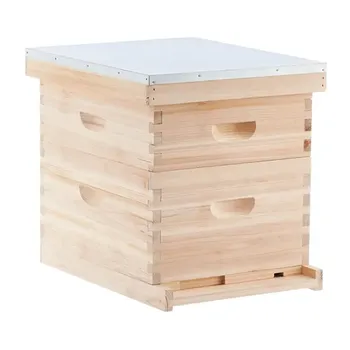
Insulated hive bodies reduce heat transfer through the hive walls and help the winter cluster retain energy. They are particularly valuable where colonies remain outdoors during periods of low temperature and persistent wind.
Professional hive-making equipment can support the production of standardized, durable, and consistently insulated hive structures. This is important for commercial fleets that need uniform replacement parts and predictable performance across many colonies.
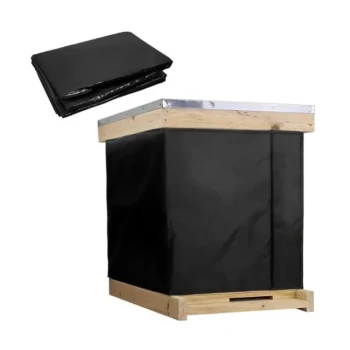
Thermal hive wraps
Hive wraps reduce heat loss from the exterior and help block chilling drafts. In freezing climates, dark wraps or black tar paper can also absorb heat from winter sunlight.
Wraps must not obstruct the entrance or upper ventilation openings. A sealed hive without adequate ventilation can accumulate excess humidity and condensation, creating a different risk for colony health.
Insulated top covers and tight-fitting woodenware
Heat can escape through the top of the hive, while gaps between boxes, covers, and bottom boards can admit cold air. Insulated top covers and accurately manufactured, tight-fitting woodenware address these weak points.
For B2B buyers, dimensional consistency matters as much as insulation. Standardized components simplify stocking, replacement, installation, and fulfillment across different apiary customers.
Inner and outer hive packing
Inner packing reduces empty air space around the cluster. Typical materials described in the reference include 4–6 cm insulating layers such as dried straw, sawdust, or thermocol sheets enclosed in polythene bags and positioned along the sides of the frames.
Outer packing uses durable polythene sheets around the hive and insulating material beneath the bottom board on the hive stand. The main entrance should remain open to preserve bee access and airflow.
Entrance reducers
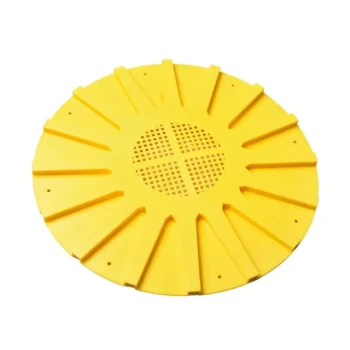
Entrance reducers limit the opening that bees must defend and help prevent direct draft penetration. They are useful when colonies are small or weather is severe, because a reduced entrance makes it easier for the colony to regulate access and protect stored resources.
Reducers must be correctly sized for colony strength and season. An opening that is too small can restrict traffic or ventilation, particularly when the colony becomes active inside a warm shelter.
Internal colony feeders
Internal feeders support autumn or emergency feeding when colonies need sufficient reserves positioned near the cluster. Thermal protection is less effective if bees do not have accessible food during prolonged cold conditions.
Feeding equipment should be selected as part of the wider winter-management system rather than treated as a substitute for adequate stores, insulation, or hive inspection.
Hive stands and underside insulation
Raised hive stands improve separation from cold ground and provide space for insulating material beneath the bottom board. They also make it easier to manage drainage, airflow, and equipment access.
For commercial apiaries, durable stands can be combined with compatible windbreak and pest-barrier accessories to create a more complete protection platform.
Building a Complete Protection Package
Match protection to the exposure level
A sheltered apiary with moderate spring winds may only require insulated woodenware, wraps, and entrance control. Locations exposed to severe winds and low temperatures are better served by combining windbreak structures or greenhouses with hive-level insulation.
Preserve controlled ventilation
Cold protection should reduce unwanted drafts without eliminating necessary airflow. Upper ventilation holes and hive entrances should remain unobstructed unless the equipment design specifically provides an alternative ventilation path.
Humidity management is essential because trapped moisture can condense inside the hive and undermine the benefits of thermal insulation.
Protect the colony from secondary threats
Weather protection should be integrated with pest exclusion. Metal mouse guards can prevent rodents from entering through the lower entrance while preserving bee passage and airflow.
Raised stands fitted with ant pans or water- or oil-filled barrier channels can block crawling ants from reaching the hive. These accessories are particularly useful for commercial operations where a single neglected colony can become a source of broader losses.
Understanding the Trade-offs
Greenhouses require climate management
A greenhouse can provide valuable warmth and wind protection, but it is not a passive solution. On sunny days, temperatures and humidity may rise quickly, so access, ventilation, and inspection must be practical.
The objective is a stable microclimate—not simply the highest possible temperature.
Heavy insulation can restrict access
Multiple layers of wraps, packing, and external sheeting can make inspections, feeding, and migration more time-consuming. Equipment should allow beekeepers to open, inspect, and relocate hives without dismantling the entire protection system.
Entrance reducers can limit traffic
A reducer helps control drafts and defend the entrance, but an overly restricted opening can create congestion or insufficient ventilation. The correct size depends on colony strength, weather, and activity level.
Materials affect durability and handling
Straw, sawdust, and thermocol can provide insulation when properly enclosed, but they require protection from moisture and physical damage. Commercial buyers should assess material durability, storage requirements, replacement availability, and compatibility with existing hive formats.
Protection does not replace food management
Insulation reduces energy expenditure, but colonies still need sufficient honey stores or appropriate supplemental feeding. Thermal equipment should therefore be sold and deployed as part of a complete overwintering and early-spring management program.
How to Apply This to Your Project
Select equipment according to the apiary’s exposure, colony scale, inspection routine, and delivery requirements.
- If your primary focus is severe wind protection: Combine exterior windbreak structures with apiary greenhouses where a controlled early-spring microclimate is required.
- If your primary focus is low-temperature survival: Prioritize insulated hive bodies, tight-fitting woodenware, thermal wraps, insulated top covers, and appropriate inner or outer packing.
- If your primary focus is early brood development and foraging: Use a protected shelter designed to maintain conditions above 10°C while preserving practical ventilation and hive access.
- If your primary focus is commercial fleet standardization: Source compatible hive bodies, covers, wraps, stands, reducers, feeders, and pest barriers through a coordinated product portfolio.
- If your primary focus is operational efficiency: Work with a supplier that can provide rapid response, dedicated technical support, fast delivery, and consolidated order fulfillment.
With the right combination of shelter, insulation, ventilation, feeding, and pest-control equipment, beekeepers can give colonies a more stable foundation for surviving severe spring conditions and building strength for the production season.
Summary Table:
| Solution | Key Feature | Best For |
|---|---|---|
| Apiary greenhouses | Enclose hives in stable microclimate | Severe wind and cold |
| Exterior windbreak structures | Reduce wind exposure | Flexible outdoor setups |
| Insulated hive bodies | Retain cluster heat | Low-temperature survival |
| Thermal hive wraps | Block drafts and absorb sunlight | Added insulation |
| Insulated top covers & tight woodenware | Prevent heat loss through gaps | All hives |
| Inner/outer packing | Fill empty space with insulation | Extreme cold |
| Entrance reducers | Limit draft and defense area | Small or weak colonies |
| Internal feeders | Provide accessible food reserves | Prolonged cold |
| Hive stands & underside insulation | Elevate and insulate bottom | Ground moisture and cold |
Ready to secure your apiary against harsh spring weather? HONESTBEE offers a comprehensive range of beekeeping equipment—from hive-making machinery to thermal wraps and full protection packages. As a trusted wholesale partner for commercial apiaries and distributors, we ensure rapid response, dedicated support, and ultra-fast delivery. Contact us today to discuss your requirements and get a tailored solution that maximizes your operational efficiency and colony survival. Get in touch and let's build a resilient beekeeping operation together.
Related Products
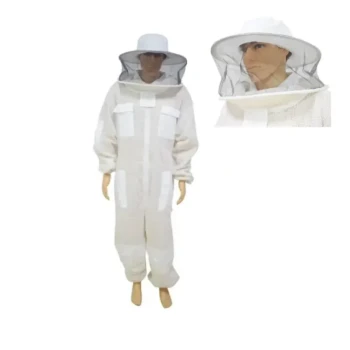
- Premium Three Layer Ventilated Bee Suit with Round Veil
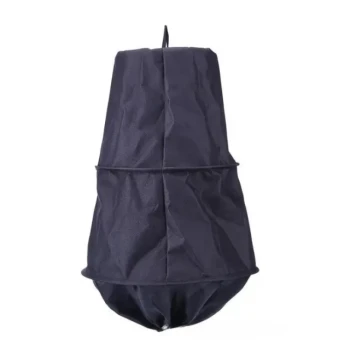
- HONESTBEE Collapsible Tiered Bee Swarm Catcher for Beekeeping
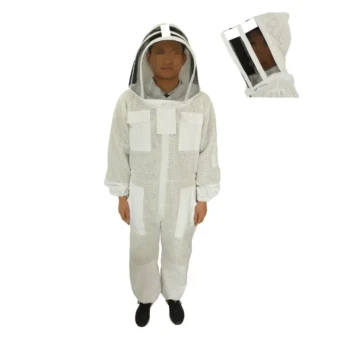
- Three-Layer Ventilated Beekeeper Suit with Structured Fencing Veil
- Vented Beekeeping Jacket with Hood and Veil for Beekeepers
- White Cotton Beekeeping Jacket and Veil for Bee Keepers
People Also Ask
- What are the features of a ventilated bee suit? Stay Cool and Protected in Hot Weather
- What is the function of professional protective consumables? Scale Your Apiary with Ventilated Bee Suits
- What should be considered when purchasing a ventilated bee suit? Ensure Maximum Safety and Comfort
- What is the advantage of ventilated bee suits over traditional ones? Stay Cool and Protected with Mesh Technology
- What materials are used in ventilated bee suits? Choose Between 3-Layer Mesh & Foam for Optimal Protection