To successfully establish a new apiary, you need a complete beehive structure, a beekeeping accessories kit, a queen bee, and a steady supply of bee feed. Beyond these basics, you must also acquire specialized pest control equipment to protect the hive from invasive threats like ants and wasps.
Successful beekeeping requires a holistic system—housing, nutrition, and defense—rather than just a box for the bees; neglecting any one of these pillars can jeopardize the colony before it establishes itself.
The Structural Foundation: Housing the Colony
The Core Configuration
A functional hive is a modular system, not a single container. The standard startup configuration consists of a bottom board, a deep hive box (often called a brood box), an inner cover, and a top cover. This stack provides the essential protection and ventilation required for the bees' survival.
The Brood Box and Internals
The deep hive box is the heart of the colony. Inside, it must contain frames and foundation where the bees will build their comb. This is where the queen lays eggs and the colony raises new bees.
Expansion Modules
You generally begin with a single deep box. As the colony grows and draws out the comb to fill this space, you will need to add a second box on top. The specific size of this secondary box depends on your local climate and management style.
Colony Health and Management Tools
The Starter Accessories Kit
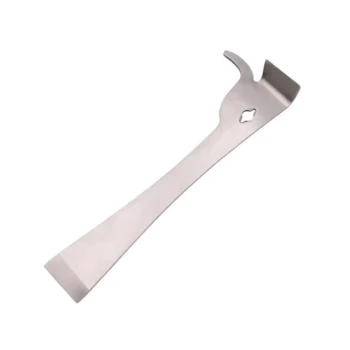
Physical tools are required to manipulate the hive and inspect the bees safely. A comprehensive starter accessories kit is standard equipment for new beekeepers, providing the levers and protective gear necessary for routine maintenance.
Nutritional Support
A new colony often struggles to forage enough food immediately. You must provide bee feed to support the bees while they build comb and establish their stores. This ensures the colony remains strong during its vulnerable early stages.
The Queen Bee
The biological engine of the hive is the queen bee. Without a healthy queen to lay eggs, the colony has no future. Securing a queen is as vital as buying the wooden ware.
Site Preparation and Defense
Pest Control Equipment
A hive is a target for predators. You must invest in specialized pest control equipment to deter common invaders such as ants and wasps. Without this defense, these pests can overwhelm and destroy a young colony.
Vegetation Management
Vegetation around the hive can act as a bridge for pests, particularly ants. Installing a weed barrier or a thick layer of mulch under the hive stand is highly recommended.
Accessibility
Keeping grass and weeds short ensures you have clear access for inspections. Utilizing landscape tools like mowers or weed eaters around the hive prevents obstruction of the entrance and makes management significantly easier.
Common Pitfalls to Avoid
Premature Expansion
A common error is adding extra boxes too early. You should only add a second box once the bees have built out the comb in the first deep box. Expanding too quickly creates excess space the bees cannot defend or keep warm.
Neglecting Ground Prep
Skipping site preparation is a trade-off that rarely pays off. While it saves time initially, failing to install a weed barrier often leads to difficult maintenance later, as tall grass can block hive entrances and facilitate ant infestations.
Making the Right Choice for Your Goal
To ensure your hive thrives, tailor your equipment acquisition to your specific objectives:
- If your primary focus is immediate colony survival: Prioritize high-quality bee feed and robust pest control equipment to protect the bees during their vulnerable establishment phase.
- If your primary focus is long-term ease of maintenance: Invest time and resources upfront in site preparation, specifically weed barriers and hive stands, to reduce labor during future inspections.
Equipping yourself with the right tools and preparation today is the only way to ensure a productive and healthy harvest tomorrow.
Summary Table:
| Equipment Category | Essential Components | Primary Function |
|---|---|---|
| Housing | Bottom board, deep box, frames, covers | Provides structural foundation and protection |
| Biology | Queen bee | Drives colony reproduction and population |
| Tools & Gear | Accessories kit, protective clothing | Enables safe hive inspection and maintenance |
| Nutrition | Bee feed (syrup/pollen) | Supports comb building and colony growth |
| Defense | Pest control traps, weed barriers | Protects against ants, wasps, and invaders |
Scaling Your Beekeeping Business with HONESTBEE
At HONESTBEE, we specialize in empowering commercial apiaries and distributors with high-performance solutions. Whether you are expanding your operation or sourcing for a wholesale network, we provide the full spectrum of industry-leading equipment:
- Advanced Machinery: Hive-making and honey-filling machines for high-volume production.
- Complete Hardware: A comprehensive range of beekeeping tools, machinery, and essential consumables.
- Cultural Merchandise: Unique honey-themed retail products to diversify your brand.
Ready to elevate your apiary's efficiency? Contact us today to discuss your wholesale needs and let our expertise fuel your growth.
Related Products
- High-Efficiency Pneumatic Bee Hive Making Machine for Rapid Box Assembly
- HONESTBEE Professional Mini J-Hook Hive Tool for Beekeeping
- HONESTBEE Professional Long Handled Hive Tool with Precision Cutting Blade
- Steel Round Disc Entrance Reducer for Flexzion Bee Hive Nuc Box Gate
- Metal Bee Hive Stand Bee Box Stand for Beekeeping
People Also Ask
- How does the introduction of professional beehive-making machinery benefit sustainable beekeeping? Scale Your Apiary
- Why is specialized beehive-making machinery critical for low-defense breeding? Enhance Selection with Precision Tools
- How does the introduction of specialized beehive making machinery contribute to increasing the scale of regional beekeeping industries?
- What is the importance of specialized beehive making machinery in a circular bio-economy? Build Local Sustainability
- Why is specialized beehive-making machinery essential? Scale Your Apiary with Precision Industrial Standards