The primary disadvantage of using beekeeping gloves is a significant reduction in manual dexterity and tactile sensitivity. This loss of "touch" creates a clumsiness that can prevent a beekeeper from working smoothly, potentially leading to accidental bee deaths or mishandled frames.
Core Insight While gloves offer necessary physical protection, they introduce a barrier between you and the hive that often limits mobility and sensory feedback. The resulting loss of fine motor control can make hive inspections more difficult, though this must be weighed against the confidence that protection provides.
The Impact on Hive Management
Reduced Tactile Sensitivity
The most immediate drawback of wearing gloves is the loss of fine touch. Working barehanded allows for high precision, but gloves—especially traditional varieties—blunt this sensation. This makes it challenging to feel exactly what you are holding or the pressure you are applying.
The "Clumsiness" Factor
According to experienced beekeepers, the reduction in sensitivity leads to clumsy interactions with the hive. When you cannot feel the bees, there is a higher risk of accidentally crushing them or dropping frames. This roughness can agitate the colony, counteracting the goal of a calm inspection.
Limitations on Mobility
Even the most flexible gloves can restrict hand movement to some degree. This limitation makes it harder to manipulate hive tools and lift frames delicately. To mitigate this, some beekeepers opt for thin materials like nitrile to maintain a "snug fit" for better precision, though this often sacrifices sting protection.
Material-Specific Drawbacks
Issues with Leather Gloves
Leather gloves, typically made from cowhide or goatskin, are durable but come with distinct disadvantages. They are notoriously stiff until fully broken in, which exacerbates dexterity problems. Furthermore, leather does not breathe well, causing hands to become hot and uncomfortable during inspections in warm weather.
Weaknesses of Ventilated Gloves
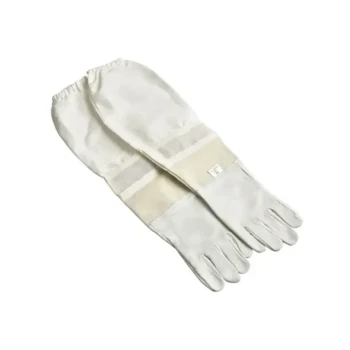
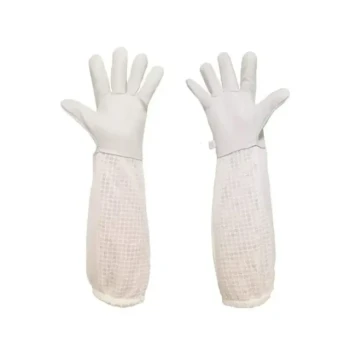
While ventilated gloves address the heat issue with mesh panels, they introduce new risks. They are generally less durable than solid leather options. Additionally, the mesh area introduces a vulnerability: stings can penetrate the mesh, and the thinner material offers less protection against other injuries, such as wood splinters.
Understanding the Trade-offs
The Confidence Paradox
Despite the physical disadvantages, there is a psychological nuance to consider. If working barehanded causes fear or anxiety, the beekeeper's movements may become shaky and erratic. in this specific scenario, wearing gloves—despite the clumsiness—may actually result in smoother work because the beekeeper feels safe and confident.
Balancing Protection and Precision
The debate in the beekeeping community centers on finding the middle ground. Thick gloves offer maximum security against stings but maximum clumsiness. Thinner gloves improve handling but increase the risk of injury. Most experts recommend keeping a pair available as a backup, even if you prefer working with minimal protection.
Making the Right Choice for Your Goal
Protective gear is a personal choice that balances safety with operational ease. Use these guidelines to select the right approach for your apiary:
- If your primary focus is maximum dexterity: Opt for thin, form-fitting nitrile gloves to preserve tactile sensation and reduce the risk of crushing bees.
- If your primary focus is heavy-duty protection: Choose traditional leather gloves, accepting that they will be stiff initially and may trap heat.
- If your primary focus is comfort in hot climates: Select ventilated gloves with mesh panels, but remain aware that the mesh area is a potential entry point for stings.
The goal is to find the level of protection that allows you to remain calm without compromising your ability to handle the colony with care.
Summary Table:
| Glove Type | Main Disadvantage | Best Use Case | Protection Level |
|---|---|---|---|
| Leather | High stiffness & heat retention | Maximum sting protection | High |
| Ventilated | Lower durability & mesh vulnerability | Hot weather inspections | Moderate |
| Nitrile/Thin | Zero sting protection | Maximum dexterity & precision | Low |
| Bare Hand | Highest sting risk | Expert handling & sensitivity | None |
Elevate Your Apiary Operations with HONESTBEE
At HONESTBEE, we understand that the right equipment is the foundation of a successful beekeeping business. Whether you are a commercial apiary needing high-precision tools or a distributor looking for a reliable wholesale partner, we provide the full spectrum of solutions to meet your needs.
How we add value to your business:
- Comprehensive Wholesale Catalog: From specialized hive-making and honey-filling machinery to essential industry consumables.
- Quality Protective Gear: A diverse range of gloves and suits designed to balance safety with operational efficiency.
- Cultural Merchandise: Expand your brand with our unique honey-themed cultural products.
Ready to scale your beekeeping venture with premium equipment and machinery? Contact us today to discuss your wholesale needs and let HONESTBEE be your trusted industry partner.
Related Products
- Beekeeping Gloves Goatskin Leather with Long Cotton Sleeve for Beekeepers
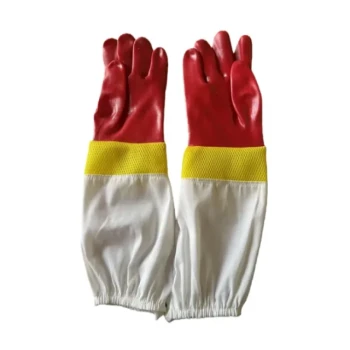
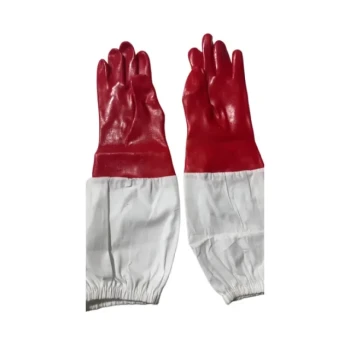
- Heavy Duty Red Rubber Beekeeping Gloves with Vented Mesh Cotton Sleeves
- Heavy Duty Red Rubber Beekeeping Gloves with Extended Pure Cotton Sleeves for Beekeepers
- Goatskin Leather Beekeeper Gloves with Vent Long Sleeve for Beekeeping Honey Bee Sting Proof Protection
- Premium Ventilated Goatskin Beekeeping Gloves with Full 3-Layer Mesh Sleeve
People Also Ask
- What are the characteristics of the best gloves for beekeeping? Choose Protection & Dexterity
- What are the primary purposes of using beekeeping gloves? Protect Your Hands and Ensure Apiary Hygiene
- What types of gloves are available for beekeeping? Choose the Right Protection for Your Hive
- Why is it important for beekeepers to wear gloves? Essential Safety and Confidence for Hive Management
- Why do some experienced beekeepers opt not to wear gloves? Discover the Benefits of Tactile Precision