The percentage of water in honey is determined by a complex interplay of biological and environmental variables. Specifically, it is influenced by the origin of the nectar source, the level of maturity the honey has reached, prevailing weather patterns, and the conditions under which the honey is stored.
Water content in honey is rarely static; it fluctuates based on the floral source, the timing of the harvest, and the humidity levels of the environment during storage.
Biological and Environmental Drivers
The Origin of the Nectar
The fundamental starting point for water content is the nectar source.
Different plants produce nectar with varying chemical compositions and moisture levels. As the primary raw material, the specific floral origin sets the baseline for the final hydration of the honey.
Honey Maturity
The maturity of the honey at the time of harvest is a critical factor.
Bees actively work to reduce the moisture content of nectar. Harvesting too early, before the bees have deemed the honey "ripe" or mature, inevitably results in higher water percentages.
Climate and Weather
External weather conditions and the broader climate directly impact moisture levels.
High humidity or wet weather during the nectar flow can make it difficult for bees to dehydrate the nectar efficiently. Conversely, dry climates facilitate the evaporation process, generally leading to lower water content.
The Risks of Handling and Storage
The Danger of Improper Frame Storage
A common pitfall occurs when frames of uncapped honey are stored incorrectly prior to extraction.
Uncapped cells leave the honey exposed to the ambient air. If these frames are not managed in a controlled environment, the exposed honey will actively pull moisture from the atmosphere.
Absorption and Storage Conditions
Honey is hygroscopic, meaning it naturally absorbs moisture from its surroundings.
Regardless of how well the bees processed the honey, poor storage conditions can undo their work. Storing honey in high-humidity environments without proper sealing will lead to a significant increase in water percentage over time.
Making the Right Choice for Your Goal
To ensure optimal honey quality, you must manage the variables within your control.
- If your primary focus is harvesting low-moisture honey: Prioritize harvesting only when the honey is fully mature and capped by the bees.
- If your primary focus is processing efficiency: Ensure uncapped frames are extracted immediately or stored in a humidity-controlled room to prevent moisture absorption.
By controlling harvest timing and storage humidity, you can effectively stabilize the water content in your final product.
Summary Table:
| Factor | Type | Influence on Water Content |
|---|---|---|
| Nectar Source | Biological | Chemical composition sets the initial moisture baseline. |
| Honey Maturity | Process | Early harvesting of uncapped cells leads to higher water levels. |
| Weather/Climate | Environmental | High humidity slows dehydration; dry air aids evaporation. |
| Storage Conditions | Handling | Honey is hygroscopic and absorbs moisture from humid air. |
| Frame Management | Handling | Uncapped frames attract moisture if not extracted immediately. |
Maximize Your Honey Quality with HONESTBEE
At HONESTBEE, we understand that controlling moisture is the difference between premium honey and fermentation risks. We cater to commercial apiaries and distributors with a comprehensive wholesale offering designed to stabilize your production. From high-efficiency honey-filling machines to advanced processing equipment, we supply the tools you need to maintain perfect honey maturity.
Whether you are scaling your apiary or sourcing professional-grade beekeeping hardware and consumables, our team is ready to support your growth. Contact us today to discover how our specialized machinery and wholesale tools can streamline your honey production and preserve its natural quality.
Related Products
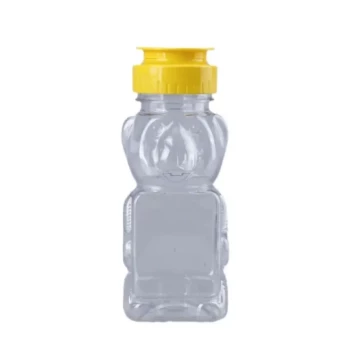
- Classic Honey Bear Jars with Flip Top Dispensing Cap for Liquid Sweeteners
- Economy Small Scale Honey Dryer Dehumidifier Thickening Machine
- Professional Plastic Honey Dipper for Easy Honey Drizzling
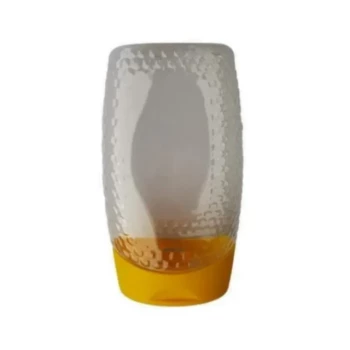
- Inverted Squeezable Honey Jar with No Drip Flip Top Cap for Easy Pouring
- Precision Honey Refractometer Instrument for Quality Assessment
People Also Ask
- What food safety standards must honey containers meet? Expert Guide to Packaging Integrity & Hygiene
- Why is it important to distinguish between weight and volume when selecting honey containers? Maximize Profits Now
- What are the benefits of purchasing honey containers in bulk? Maximize Margins & Secure Your Supply Chain
- What should be considered when choosing a container for honey to ensure effective sealing? Master Honey Packaging Success
- What is the best container to store honey in? Preserve Purity & Flavor for Years