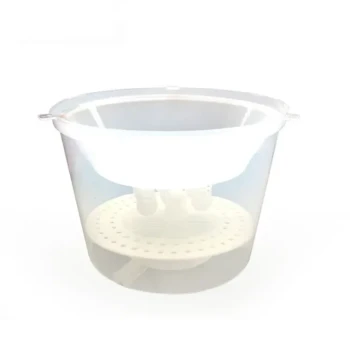
Beekeepers engaging in pollen collection must exercise specific caution regarding colony selection, trap management, and environmental factors to ensure the survival of the bees and the quality of the harvest. You must carefully select only robust colonies for collection and strictly limit the duration of trapping to prevent nutritional stress. Furthermore, vigilance against pests—specifically small hive beetles—and environmental contaminants is essential to prevent colony collapse or product spoilage.
Core Takeaway Sustainable pollen collection requires a delicate balance between harvesting for profit and leaving sufficient resources for the hive's survival. Neglecting trap maintenance or over-harvesting from weak colonies can lead to rapid infestation by pests and the eventual collapse of the bee population.
Protecting the Colony: Selection and Limitations
Selecting the Right Colony
You must not attempt to collect pollen from every hive in your apiary. Careful colony selection is the first line of defense against hive failure.
Only strong, healthy colonies with a surplus of foragers can withstand the stress of pollen trapping. Collecting from weak or developing hives deprives them of the protein required for brood rearing, potentially stunting their growth.
Understanding Collection Limitations
Pollen is the primary protein source for bees, and they require it for their own survival. You must understand the limitations of collection and avoid continuous harvesting.
Beekeepers should collect pollen intermittently or for short durations to ensure the colony retains enough stores for its own nutritional needs. Over-harvesting creates a deficit that can weaken the colony’s immune system and productivity.
Managing Equipment and Biological Risks
The Small Hive Beetle Threat
A critical risk factor in pollen collection is the infestation of small hive beetles. Pollen traps provide an accessible, protein-rich environment that is highly attractive to these pests.
If left unchecked, beetle larvae can slime the pollen and the hive, ruining the harvest and driving the bees to abscond. You must monitor traps daily in areas where these beetles are prevalent.
Routine Trap Maintenance
Regular trap maintenance is non-negotiable for preserving pollen quality. Debris and moisture accumulation in the trap can lead to mold growth and bacterial contamination.
Traps should be emptied frequently to maintain freshness. This practice also allows you to inspect the hardware for signs of wear or gaps that could admit pests.
Common Pitfalls: Contamination and Processing
Environmental Contamination
Beyond the hive itself, beekeepers must be cautious of external pollutants. Specialized collection containers and high-cleanliness consumables are often required to prevent environmental contamination.
Sources such as atmospheric dust or industrial runoff can introduce heavy metals like lead, cadmium, and arsenic into the pollen. Ensuring your collection site is free from these pollutants is vital for ensuring the safety of the final product.
Processing for Preservation
Collecting the pollen is only half the battle; improper processing is a common point of failure. You must follow a strict regimen of harvesting, cleaning, and freezing.
Freezing is particularly critical to arrest the development of any insect eggs and to maintain nutritional freshness. Failing to freeze pollen immediately after cleaning can result in rapid fermentation or spoilage.
Making the Right Choice for Your Goal
Whether you are harvesting for market sale or to create feed supplements for your own apiary, your approach to caution will vary slightly.
- If your primary focus is Commercial Sale: Prioritize preventing environmental contamination (heavy metals) and adhere to strict freezing protocols to ensure a safe, high-value product.
- If your primary focus is Colony Sustainability: Focus heavily on colony selection and rotational trapping to ensure you are not depleting the hives you intend to feed later.
Successful pollen collection is measured not just by the weight of the harvest, but by the continued health of the colony that produced it.
Summary Table:
| Caution Category | Key Action | Risk of Neglect |
|---|---|---|
| Colony Selection | Only harvest from strong, robust hives | Stunted brood growth and hive collapse |
| Harvest Duration | Intermittent trapping (short durations) | Nutritional stress and weakened immunity |
| Pest Control | Daily monitoring for Small Hive Beetles | Slimed pollen and colony absconding |
| Maintenance | Frequent emptying and debris cleaning | Mold growth and bacterial contamination |
| Processing | Immediate cleaning and freezing | Fermentation, spoilage, and insect development |
| Safety | Siting away from industrial pollutants | Heavy metal contamination (Lead, Arsenic) |
Scale Your Pollen Production with HONESTBEE Professional Equipment
Maximize your harvest quality while protecting your colonies with HONESTBEE. As a premier partner for commercial apiaries and global distributors, we provide the industrial-grade tools and machinery necessary for sustainable beekeeping at scale.
Our value to your business includes:
- Comprehensive Wholesale Offering: A complete spectrum of beekeeping tools, machinery, and equipment.
- Specialized Hardware: From precision hive-making machines to efficient honey and pollen processing lines.
- Essential Consumables: High-cleanliness supplies designed to prevent contamination and maintain product purity.
- Cultural Merchandise: A wide array of honey-themed products to diversify your market presence.
Whether you are upgrading a commercial operation or stocking a distribution network, our expertise ensures you get the most reliable equipment in the industry.
Contact HONESTBEE today to discuss your wholesale needs!
Related Products
- 30 cm Plastic Entrance Hole Bee Pollen Trap and Collector
- Removable Plastic Pollen Trap With Ventilated Tray for Bees Pollen Collector
- Plastic Bee Pollen Trap Strips Comb Catcher Collector
- 8 Frame and 10 Frame Propolis Trap Collector Screen for Propolis Collection
- High-Efficiency Diamond Maze Bee Escape for Clearing Supers
People Also Ask
- What are the design principles and advantages of pollen traps in the collection of bee pollen? Boost Your Apiary Yield
- Why is frequent harvesting of bee pollen from traps necessary for quality control? Ensure Freshness and Prevent Mold.
- How often should bee pollen be harvested from a trap and why? Master Freshness and Prevent Spoilage
- What function do pollen traps serve in quantitative collection? Boost Your Apiary's Data & Production Efficiency
- What is the primary function of bee pollen traps? Optimize Your Pollen Harvest with Advanced Extraction Efficiency