Hive Component Joiners are specialized assembly systems defined by their ability to create precise, durable connections between apiary parts. Their most prominent technical features include automated glue application mechanisms and integrated dowel-insertion systems, which are engineered to work seamlessly with materials ranging from traditional wood to modern polystyrene.
Beyond simple connection, these systems prioritize structural integrity. By creating seamless joints, they eliminate gaps that could otherwise expose the colony to pests, while simultaneously reducing the manual effort required for complex assembly.
Core Mechanical Features
Precision Glue Application
To ensure a lasting bond, these joiners typically feature systems for consistent glue application.
This automation replaces uneven manual spreading, ensuring that the adhesive is distributed evenly across the joint surface for maximum holding power.
Dowel-Insertion Systems
A defining characteristic of these machines is the inclusion of dowel-insertion systems.
This feature mechanically inserts dowels to reinforce the connection points, providing internal structural support that prevents the parts from shifting over time.
Creating Seamless Joints
The primary output of these mechanical features is the creation of seamless joints.
By combining adhesive and mechanical fasteners, the joiner eliminates gaps between components, creating a unified, airtight seal that is critical for hive health.
Material Compatibility and Versatility
Multi-Material Support
Modern Hive Component Joiners are designed for versatility, capable of handling various construction materials.
They are compatible with standard wood components as well as synthetic options like polystyrene, allowing apiary managers to mix and match equipment types without changing machinery.
Assembly Scope
These machines are not limited to the main hive body; they are specialized to connect smaller, intricate parts.
They are commonly used to assemble essential components such as bottom boards and inner covers, forming them into complete, ready-to-use units.
Operational Advantages
Enhancing Structural Integrity
The combination of gluing and doweling significantly boosts the overall structural integrity of the hive parts.
A rigid, well-joined hive component withstands the elements and the weight of the colony better than parts assembled with less precision.
Pest Prevention
A critical functional benefit of these features is the prevention of biological threats.
By ensuring joints are seamless and gap-free, the machinery helps prevent pests from infiltrating the hive through structural weaknesses, protecting the bees inside.
Minimizing Manual Labor
These joiners address the inefficiency of traditional hive construction.
They significantly minimize the manual labor involved in fitting intricate components, converting a time-consuming hand-assembly process into a streamlined mechanical operation.
Understanding the Trade-offs
Specialization vs. Generalization
While effective, these joiners are often specialized machines designed for specific assembly tasks.
Investing in this equipment makes sense for assembling specific units like bottom boards, but they may not be suitable for general-purpose construction or repairing non-standardized hive parts.
Material Specificity
Although compatible with wood and polystyrene, the settings and adhesives may need adjustment between materials.
Operators must ensure the glue application system is calibrated correctly for the specific porosity and density of the material being used to avoid weak bonds.
Making the Right Choice for Your Goal
When evaluating Hive Component Joiners, align the features with your operational priorities.
- If your primary focus is Colony Health: Prioritize systems that guarantee seamless joints to eliminate gaps and prevent pest infestation.
- If your primary focus is Production Efficiency: Look for machines with robust dowel-insertion systems to minimize the manual labor required for rigid assembly.
High-quality joining equipment is not just about building boxes; it is about engineering a secure environment that supports the longevity of the colony.
Summary Table:
| Feature | Technical Benefit | Operational Advantage |
|---|---|---|
| Automated Glue Application | Consistent adhesive distribution | Maximum holding power & bond durability |
| Dowel-Insertion Systems | Internal mechanical reinforcement | Enhanced structural integrity & alignment |
| Seamless Joint Creation | Eliminates gaps between parts | Pest prevention & improved colony health |
| Multi-Material Support | Compatible with wood & polystyrene | High versatility for diverse hive types |
| Automated Assembly | Reduces manual fitting tasks | Significant labor savings & production speed |
Maximize Your Production with HONESTBEE Professional Equipment
At HONESTBEE, we understand that the strength of your business starts with the structural integrity of your hives. As a leading partner for commercial apiaries and distributors, we provide more than just machinery; we offer a comprehensive wholesale solution for the modern beekeeping industry.
Our Hive Component Joiners are engineered to transform your workflow, replacing time-consuming manual labor with high-precision automation. Whether you are manufacturing bottom boards, inner covers, or complete hive bodies, our equipment ensures seamless, pest-resistant joints every time. From hive-making and honey-filling machines to a full spectrum of specialized beekeeping tools and hardware, we supply the infrastructure you need to scale.
Ready to upgrade your assembly line? Contact us today to discuss your wholesale requirements and discover how our expertise can drive your efficiency and protect your colonies.
Related Products
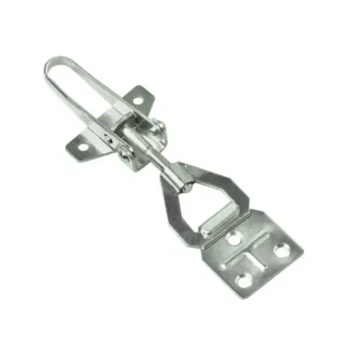
- Heavy Duty Adjustable Hive Connector
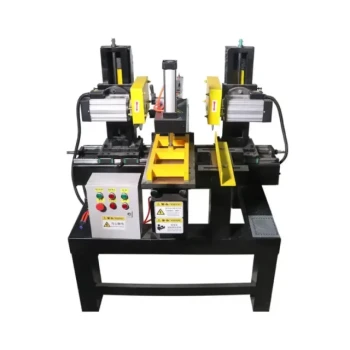
- Beehive Machine Double End Saw for Precision Hive Component Manufacturing
- Automatic Finger Joints Joint Making Machine for Bee Box and Hive Making
- Durable Plastic Interlocking Hive Connector for Beekeeping
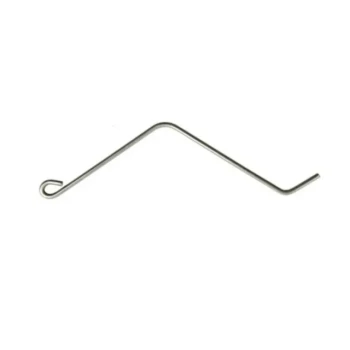
- V-Shaped Spring Hive Connector for Beekeeping
People Also Ask
- Under what circumstance are beehive connectors particularly beneficial? Optimize Handling for Full Beehive Attachments
- What is the advantage of using the beehive connector when handling full attachments? Achieve Safe and Efficient Hive Transport
- What are the primary functions of a beehive connector? Ensure Hive Stability and Safe Colony Transport
- How can the connection length and strength of a beehive connector be adjusted? Master Tension with Threaded Mechanics
- What is the purpose of the beehive connector? Secure Your Hive for Safe Transport