Finalizing a hive inspection requires a methodical approach to structural reassembly and nutritional assessment. You must carefully reinsert frames while using a hive tool to ensure precise spacing, check and replenish food sources such as sugar syrup or pollen patties, and securely replace the hive cover.
Closing the hive is not merely about tidying up; it is the critical moment to establish the structural and nutritional conditions required for the colony to thrive until your next visit.
Restoring Hive Structure
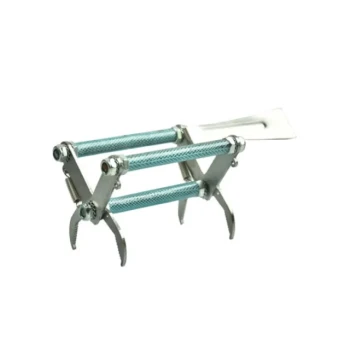
Careful Frame Reinsertion
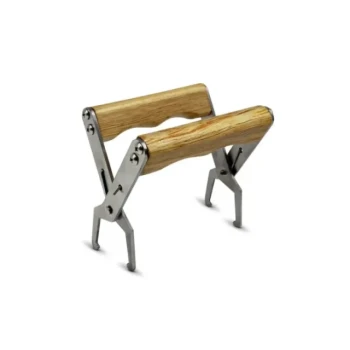
Once your inspection observations are complete, you must return the frames to the hive box. This process requires patience to avoid crushing bees or damaging the comb.
Establishing Correct Spacing
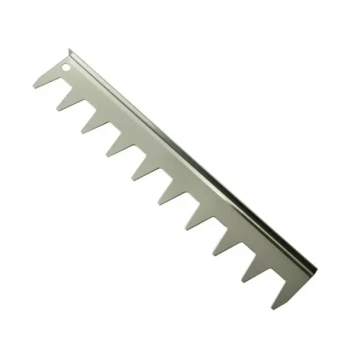
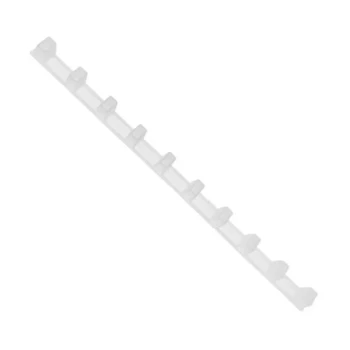
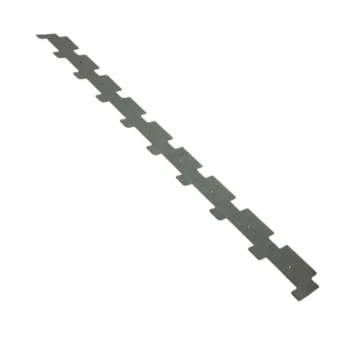
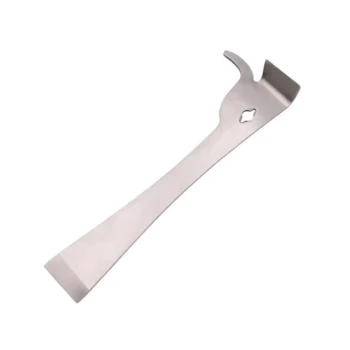
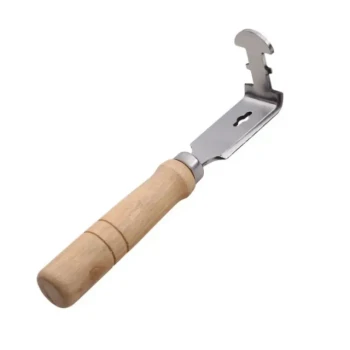
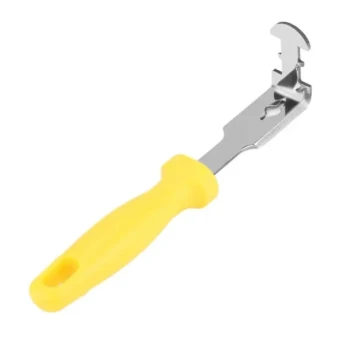
Simply placing frames back in the box is insufficient; they must be aligned correctly to maintain "bee space." Use your hive tool to space the frames evenly.
Proper spacing prevents the bees from building irregular comb, often called burr comb, which bridges gaps and makes future inspections difficult.
Managing Burr Comb
While the hive tool is primarily used for spacing during this phase, it is also effective for cleaning up structural issues.
If you encounter burr comb that could interfere with the fit of the frames or the lid, use the hive tool to scrape it away before closing up.
Ensuring Colony Nutrition
Evaluating Food Stores
Before the cover goes back on, you have a final opportunity to address the colony's immediate survival needs. Check the levels of any existing feeders.
Replenishing Supplies
If the colony is low on resources, this is the ideal time to intervene. Replenish the sugar syrup in the feeder to ensure they have adequate carbohydrates.
If the colony requires protein for brood rearing, place a pollen patty directly into the hive. Ensuring adequate nutrition now prevents starvation or stalled growth later.
Common Pitfalls to Avoid
Neglecting Frame Alignment
The most common error during the closing phase is rushing the frame spacing. If frames are pushed too close together or left too far apart, the bees will glue them together with propolis or fill the voids with cross-comb.
This oversight makes the next inspection significantly more invasive and damaging to the colony structure.
Overlooking Lid Security
Failing to clear debris or burr comb from the top bars can prevent the hive cover from sitting flush. A gap in the seal exposes the colony to weather elements, pests, and robber bees from other colonies.
Making the Right Choice for Your Goal
The steps you prioritize during closing depend on the current state of your apiary.
- If your primary focus is Colony Growth: Prioritize the addition of pollen patties and sugar syrup, as consistent nutrition is the fuel for rapid population expansion.
- If your primary focus is Ease of Management: Focus heavily on precise frame spacing with your hive tool to ensure the hive remains organized and easy to manipulate during future inspections.
A methodical closing routine today ensures a healthy, accessible hive tomorrow.
Summary Table:
| Inspection Closing Step | Key Action | Benefit to Colony |
|---|---|---|
| Frame Alignment | Reinsert carefully & use hive tool | Maintains bee space; prevents burr comb |
| Burr Comb Cleanup | Scrape away excess wax with hive tool | Ensures the lid sits flush; prevents pest entry |
| Nutritional Check | Replenish syrup or pollen patties | Supports brood rearing and prevents starvation |
| Lid Security | Check seal and alignment | Protects against weather, pests, and robbing |
Maximize Your Apiary Productivity with HONESTBEE
Efficient hive management starts with the right tools. At HONESTBEE, we specialize in supporting commercial apiaries and distributors with a comprehensive range of high-quality beekeeping equipment. From precision hive tools for perfect frame spacing to industrial-grade honey-filling machines and specialized hive-making machinery, we provide the hardware you need to scale your operations.
Whether you are looking to restock on essential consumables or invest in advanced machinery to streamline your honey production, our expert team is here to help. Contact us today to discuss your wholesale needs and discover how our global supply chain and beekeeping expertise can add value to your business.
Related Products
- Ergonomic Plastic Frame Spacer Tool for Rapid Hive Management Beekeeping
- Professional Frame Comb Fork and Lifter for Efficient Handling
- Professional Bee Frame Machine for Side Bar Shaping
- Stainless Steel 9 Frame Hive Spacer Durable Precise for Commercial Beekeeping
- Durable Plastic Frame Spacer
People Also Ask
- What specific challenges do beekeeping hive tools address during hive maintenance? Essential Solutions for Apiaries
- How do specialized beehive management tools support high-purity honey production? Master Monofloral Isolation
- How do specialized beehive management tools assist in the routine maintenance of bee colonies? Boost Hive Efficiency
- What additional equipment might be useful for beekeeping? Boost Hive Health & Efficiency
- What are the approximate costs of basic beekeeping tools? Start Your Apiary for Under $85