The most effective physical defense against predatory wasps is a layered system: install a hive entrance reducer or guarded entrance, seal secondary gaps, monitor predator activity, and mechanically reduce nearby wasp populations. For commercial apiaries, these measures should be supported by standardized trapping, nest-removal, and hive-security procedures rather than improvised sheet-metal or plastic coverings.
Entrance control is the first line of defense, but it is not sufficient alone. Narrow, defensible hive openings should be combined with physical barriers, structural sealing, monitoring, and targeted wasp-population control to protect colonies from Vespa and related predators.
Why Hive Hardware Matters During Wasp Attacks
Wasps exploit weak hive defenses
Predatory wasps may first capture individual bees near flight paths or entrance cracks. As pressure increases, they can concentrate at the entrance, kill returning workers, and eventually attempt to enter the hive to rob nectar and brood.
A weakened colony may be unable to defend a wide opening. Severe attacks can cause colony collapse or abandonment.
Entrance defense concentrates guard bees
A reduced entrance creates a smaller area that worker bees can patrol and defend. This is especially important for small, stressed, or recently established colonies.
Entrance reduction is most useful when applied before wasp pressure becomes severe. It should not restrict normal bee traffic or ventilation.
Core Hive Hardware for Physical Protection
Hive entrance reducers
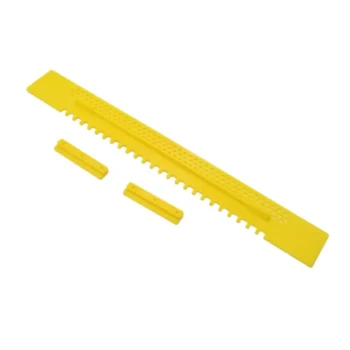
Hive entrance reducers are the primary hardware accessory for limiting wasp access. During periods of elevated risk, openings should typically be reduced to approximately one or two bee spaces, provided the colony remains adequately ventilated.
Useful product features include:
- Durable wood, polymer, or metal construction
- Secure fit against the entrance cleat
- Multiple opening sizes for colony-specific adjustment
- Smooth edges that do not injure bees
- Resistance to moisture, propolis, and repeated handling
Distributors should offer several sizes because colony strength, climate, hive format, and seasonal conditions differ.
Entrance guards and guard boards
Entrance guards or guard boards extend the defensive zone beyond the basic reducer. They can help bees confront larger predators before those predators reach the main hive entrance.
These components are particularly useful where wasps repeatedly hover, land, or attempt to enter at the landing board.
Wire entrance screens and cages
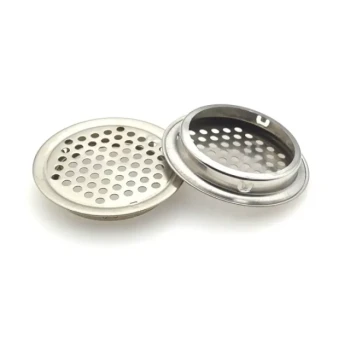
A wire screen or entrance cage can create a physical stand-off distance between the hive opening and an attacking hornet. The barrier must allow bees to pass while making direct access more difficult for larger wasps.
Screen dimensions, mesh spacing, and airflow must be selected carefully. A poorly designed screen can obstruct returning bees, create congestion, or increase colony stress.
Flap and mechanical deterrent systems
Some apiaries use mechanical flap systems that interfere with hornet approach or landing behavior. These devices are specialized and should be tested for compatibility with local bee traffic and hive configuration.
They are best treated as supplementary barriers rather than replacements for entrance reduction and colony monitoring.
Sealing strips and hive-body repair hardware
All secondary cracks, loose joints, and gaps around hive bodies should be sealed or repaired. These openings can provide wasps with alternative access points and reduce the effectiveness of a guarded main entrance.
Useful supporting products include:
- Weather-resistant sealing materials
- Replacement entrance blocks
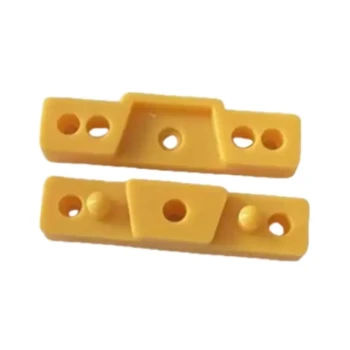
- Hive-body repair components
- High-strength connectors
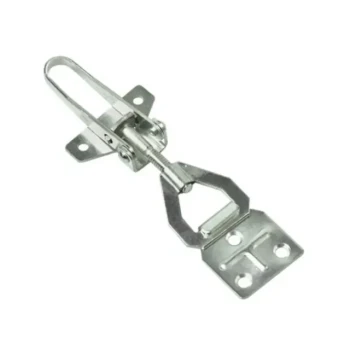
- Anti-pry fasteners and locking hardware
The objective is to create a controlled entry point that the colony can defend.
External Wasp Population Control
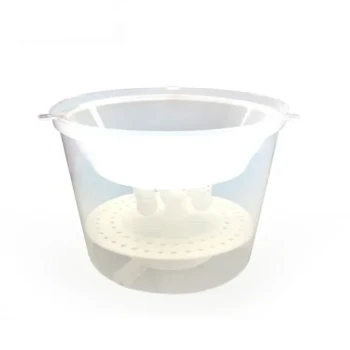
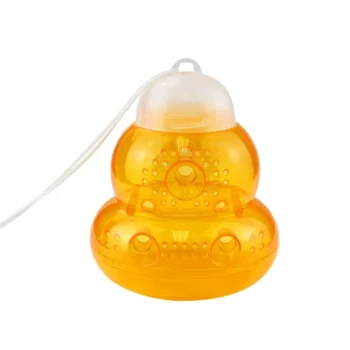
Predator trapping devices
Commercial trapping devices can reduce wasp pressure around the apiary, particularly when placed along likely flight paths and near—but not directly at—the hive entrances.
Traps should be managed systematically. Poor placement or attractive bait immediately beside hives may draw additional wasps toward the colony.
Targeted lure and bait traps
Specialized lure or bait systems may use fermented honey-water mixtures or other attractants to capture wasps. In professional operations, bait stations should be clearly managed, regularly inspected, and positioned to minimize exposure to bees.
Where toxic bait is used, operators must follow local pesticide regulations and prevent access by bees, livestock, wildlife, and non-target insects.
Regional nest detection and removal
Trapping near the apiary does not eliminate the source of sustained predator pressure. Where invasive hornets such as Vespa velutina are involved, nest-location and removal programs may be necessary.
Nest removal should be conducted by trained personnel under applicable public-health, pesticide, and wildlife regulations. It is not a suitable task for unprotected or inexperienced workers.
Monitoring early scout activity
Early detection is critical because scout wasps may identify hive locations before larger attacks develop. Regular inspection of entrance areas, flight paths, and nearby vegetation can reveal increasing predator activity.
A distributor serving professional apiaries can add value by supplying an integrated package of traps, inspection tools, protective clothing, and replacement entrance hardware.
Protecting the Broader Hive Structure
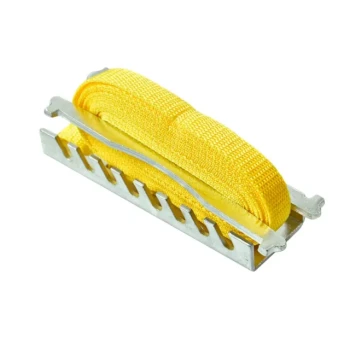
Heavy-duty hive straps and lid weights
Wasps are not the only threat to hive stability. Raccoons and other animals can dislodge covers or damage hive components, leaving colonies exposed to weather and pests.
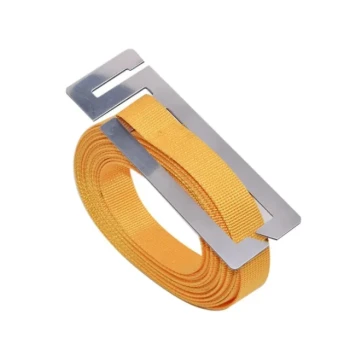
Heavy-duty straps, cover fasteners, and lid weights help keep hive tops secure. These accessories are especially useful in apiaries exposed to wind, livestock, or nocturnal predators.
Raised hive stands and entrance barriers
Raised stands reduce disturbance from skunks and other ground-level animals. Entrance barriers can further discourage animals from pawing or probing at the hive entrance.
These measures are complementary to wasp protection because a disturbed or damaged hive is more vulnerable to predator pressure.
Perimeter security equipment
Electric fencing and other perimeter systems are primarily intended for bears and large vertebrate predators, not wasps. However, they can be important in a complete apiary-security program where several predator risks overlap.
A whole-apiary approach reduces the chance that physical damage from one predator will create openings that expose colonies to others.
Pest-proof bottom boards
Bottom boards with integrated pest-resistant entrance designs can provide permanent protection against some rodent intrusions. They should not be assumed to replace seasonal wasp controls, but they can improve overall hive security and reduce the number of removable components required.
Ventilation remains essential, particularly when entrance restrictions are used during warm weather.
Selecting Hardware for Commercial Apiaries
Match the product to the colony and hive format
Entrance hardware should be compatible with the hive type, entrance dimensions, colony strength, and local climate. A reducer designed for one hive format may fit poorly or create harmful ventilation restrictions on another.
A professional product portfolio should therefore include standardized options for common hive systems rather than a single universal component.
Prioritize fast installation and replacement
Wasp attacks can escalate quickly. Hardware should be easy to install during inspections, replace in the field, and clean between colonies.
For wholesalers and resellers, consistent dimensions, durable packaging, spare-part availability, and rapid order fulfillment are practical differentiators.
Include protective equipment and consumables
Physical hive protection is only effective when operators can inspect colonies safely. A complete supply program may include:
- Protective suits, gloves, and veils
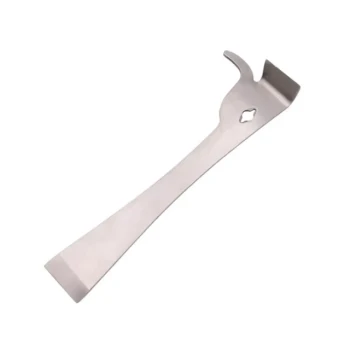
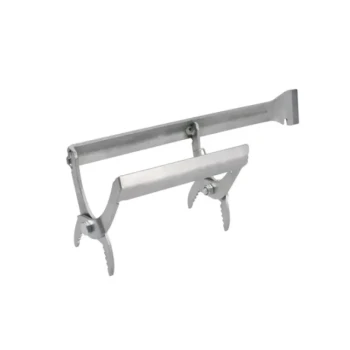
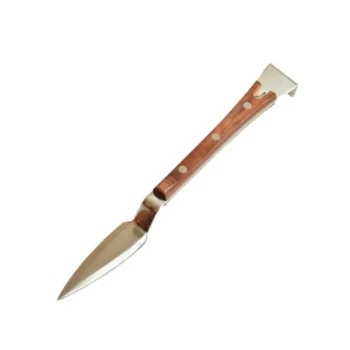
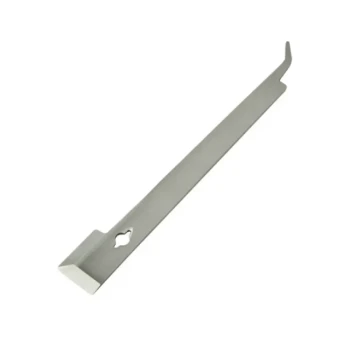
- Hive tools and inspection equipment
- Trap replacement parts and bait containers
- Entrance reducers and guards
- Sealing and repair materials
- Hive straps, cover weights, and fasteners
This one-stop approach helps apiaries respond quickly when predator activity increases.
Understanding the Trade-offs
Excessive entrance restriction can stress colonies
A reducer that is too narrow can cause congestion, interfere with ventilation, and hinder normal foraging. It may also make temperature control more difficult during hot weather.
Entrance size should be adjusted to colony strength and weather conditions, with regular checks after installation.
Screens and cages can obstruct bee movement
A physical barrier is useful only if bees can navigate it effectively. Poorly designed cages may cause clustering, confusion, or increased drifting between colonies.
Before large-scale deployment, test the hardware on representative hives and observe traffic during peak flight periods.
Traps do not replace nest control
Trapping can reduce local wasp numbers, but it may not resolve pressure from a nearby nest. Persistent activity should trigger a broader assessment of surrounding land and coordination with qualified pest-control or local authority services.
Improvised wraps create operational risks
Plastic or metal-sheet wraps may leave gaps, trap moisture, restrict ventilation, and interfere with inspections. They are not a reliable substitute for purpose-built entrance hardware and hive-repair components.
Chemical controls require strict oversight
Poison baits and insecticide treatments can harm honeybees and non-target organisms if incorrectly placed or handled. Product selection, labeling, worker protection, and disposal must comply with local requirements.
Making the Right Choice for Your Goal
Select the protection package according to colony risk, apiary scale, and the level of service required.
- If your primary focus is immediate hive defense: Supply adjustable entrance reducers, entrance guards, wire screens, and sealing materials that allow beekeepers to create one controlled, defensible opening.
- If your primary focus is commercial apiary protection: Combine entrance hardware with monitoring tools, predator traps, replacement parts, protective clothing, and standardized inspection procedures.
- If your primary focus is invasive hornet management: Add targeted trapping, early detection, and professionally coordinated nest-removal services rather than relying on hive hardware alone.
- If your primary focus is all-around apiary security: Pair wasp barriers with hive straps, lid weights, raised stands, pest-proof bottom boards, and perimeter fencing for other predator threats.
- If your primary focus is distribution efficiency: Build a full-spectrum product range with compatible hive formats, dependable stock availability, rapid response, and fast order fulfillment.
A resilient apiary uses purpose-built entrance hardware and coordinated predator management to keep colonies defensible, stable, and productive.
Summary Table:
| Hardware/Accessory | Purpose | Key Features |
|---|---|---|
| Hive Entrance Reducers | Limit wasp access while allowing bee passage | Multiple sizes, durable material, secure fit |
| Entrance Guards/Boards | Extend defense zone at landing board | Durable, easy to install, compatible with reducers |
| Wire Screens/Cages | Create physical barrier without obstructing bees | Proper mesh spacing, airflow design |
| Flap/Mechanical Deterrents | Interfere with wasp approach | Supplementary use, test for compatibility |
| Sealing Strips & Repair Hardware | Close secondary gaps | Weather-resistant, high-strength materials |
| Predator Traps | Reduce local wasp population | Systematic placement, effective bait |
| Hive Straps/Lid Weights | Secure hive from other predators | Heavy-duty, weather-resistant |
| Raised Stands & Barriers | Elevate hive to avoid ground predators | Sturdy, easy to clean |
| Pest-proof Bottom Boards | Prevent rodent intrusion | Integrated entrance design, ventilated |
Protect your apiary with HONESTBEE's comprehensive range of hive hardware and predator control solutions. From entrance reducers to full-security systems, we support commercial apiaries and distributors with one-stop sourcing, rapid delivery, and expert guidance. Contact us today for tailored defenses against wasp infestations and ensure colony safety and productivity. Get in touch with our specialists!
Related Products
- Professional Multi-Component Bucket Wasp Trap
- Metal Hive Feet Bee Hive Stand for Ant Protection
- Gourd Shaped Hanging Wasp Trap Professional Wasp Catcher
- Heavy-Duty Nylon Beehive Hive Strap with Stainless Steel Cinch Buckle
- Steel Round Disc Entrance Reducer for Flexzion Bee Hive Nuc Box Gate
People Also Ask
- How do professional wasp traps function? Master Physical Control of Oriental Hornets to Protect Your Apiary
- What are the practical advantages of using professional wasp traps and protective equipment in apiary management? Scale Up
- Why replace sugar syrup bait in wasp traps every three days? Ensure Maximum Attraction and Catch Rates
- How can commercial apiary operators mitigate wasp predation around hives using specialized trapping equipment? Effective strategies for wasp control
- What is the primary function of specialized traps used to defend against wasps? Protect Your Hive and Queen Today