A bee smoker is the fundamental safety tool for beekeeping, designed to generate cool, white smoke that calms the colony. Physically, it is a handheld device comprised of a metal fire pot for holding fuel, an internal grate to facilitate airflow, and attached bellows to pump oxygen into the chamber.
By generating smoke, this device disrupts the bees' alarm pheromones, masking the signals that trigger defensive behavior. This allows beekeepers to inspect hives safely while maintaining a cooperative environment within the colony.
The Anatomy of a Bee Smoker
To understand how a smoker functions, you must understand the interplay between its three primary components. Each part plays a specific role in maintaining the delicate balance between a smoldering fire and usable smoke.
The Fire Pot (Chamber)
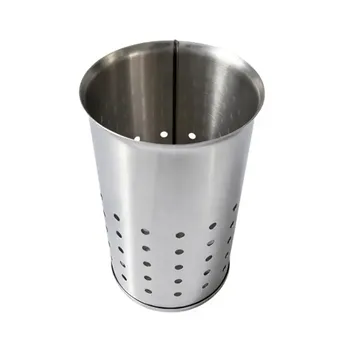
The body of the smoker is a metal cylinder, often referred to as the fire pot or firebox.
This chamber is designed to hold the combustible fuel. Its construction limits passive air intake, allowing the fire inside to remain lit for extended periods without burning out too quickly.
The Internal Grate
Located inside the fire pot, near the bottom, is a grate or grid.
This component is critical because it creates a gap between the floor of the pot and the fuel. This separation allows air to flow underneath and around the fuel source, feeding the fire with the necessary oxygen to keep it smoldering rather than flaming.
The Bellows
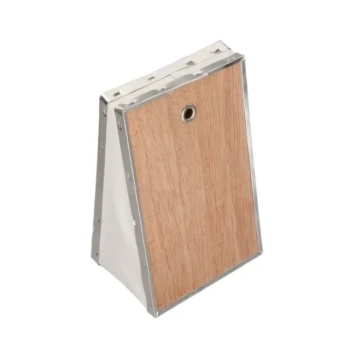
Attached to the side of the fire pot are the bellows, typically consisting of two hinged plates and a flexible covering.
When you squeeze the bellows, you force a controlled burst of air into the bottom of the fire pot. This injects oxygen into the embers to maintain combustion and simultaneously pushes the resulting smoke out through the top of the device.
The Nozzle and Lid
The device is topped with a hinged lid that creates a seal over the fire pot.
Integrated into this lid is a directional nozzle. This funnels the smoke into a precise stream, allowing the beekeeper to direct puffs exactly where they are needed—usually at the hive entrance or across the top bars of frames.
Common Pitfalls to Avoid
While the mechanism is simple, improper use can lead to ineffective or dangerous results. The most significant trade-off involves airflow management.
If you pump the bellows too aggressively, you risk turning the smoldering fuel into an open flame. This produces hot smoke or sparks, which can singe the bees' wings and agitate the colony rather than calm it.
Conversely, insufficient airflow (often caused by a clogged grate or weak bellows) will cause the fire to extinguish mid-inspection, leaving you without protection when you need it most.
Making the Right Choice for Your Goal
Understanding the components allows you to select and use a smoker that fits your specific management style.
- If your primary focus is consistent smoke output: Ensure your smoker has a high-quality bellows mechanism and a clean grate to maximize airflow efficiency.
- If your primary focus is safety and bee health: Prioritize learning fuel management within the fire pot to produce cool, white smoke rather than hot, transparent fumes.
Mastering the smoker is not just about lighting a fire; it is about controlling airflow to create a calm atmosphere for both you and your bees.
Summary Table:
| Component | Primary Function | Key Feature |
|---|---|---|
| Fire Pot | Houses the combustible fuel | Metal cylinder that limits passive air intake |
| Internal Grate | Facilitates airflow & oxygenation | Creates essential gap between floor and fuel |
| Bellows | Pumps air into the chamber | Controlled oxygen injection to sustain smoke |
| Nozzle & Lid | Directs smoke stream | Hinged seal for precise application to hive |
Elevate Your Apiary Operations with HONESTBEE
At HONESTBEE, we understand that high-quality tools are the backbone of a successful beekeeping business. Whether you are a commercial apiary seeking durable machinery or a distributor looking to expand your wholesale inventory, we provide the comprehensive solutions you need.
Our value to your business:
- Full-Spectrum Supply: From precision hive-making and honey-filling machines to essential hardware and consumables.
- Quality You Can Trust: Our beekeeping equipment is designed for longevity and professional-grade performance.
- Wholesale Expertise: We cater specifically to the needs of large-scale operations and global distributors.
Ready to scale your beekeeping business with a partner who understands the industry?
Contact HONESTBEE today to discuss your wholesale needs!
Related Products
- Professional Bee Smoker with Elongated Spout and Durable Bellows for Beekeeping
- Stainless Steel Honey Bee Smoker Hive and Honeycomb Smoker for Beekeeping
- European Stainless Steel Bee Smoker for Honey Bee Hive
- Premium Traditional Copper Bee Smoker with Bellows
- Heavy-Duty Bee Smoker with Durable Plastic Bellows for Beekeeping
People Also Ask
- What roles do bee smokers and precision tools play in honey harvesting? Master Safety and Quality Control
- Why is the use of professional bee smokers and specialized fuel essential? Protect Honey Purity & Colony Safety
- Why is a professional bee smoker considered an essential tool for hive management and safety? Master Colony Control.
- Why is a professional bee smoker essential for hive maintenance? Master Colony Control & Safety
- How do professional bee smokers facilitate bee management? Enhancing Forest Beekeeping Safety and Efficiency