A bee smoker is the essential interface between a beekeeper and the hive, designed to calm bees by puffing smoke into their environment. This device is constructed from three primary components: a fire chamber where the fuel is burned, a bellow used to inject air and control the burn, and a nozzle that directs the smoke output.
The smoker functions by maintaining a low-temperature smolder that can be intensified on demand. By masking alarm pheromones with cool smoke, it allows beekeepers to perform inspections safely while keeping the colony calm.
The Anatomy of the Device
To understand how a smoker works, you must look at how its individual parts interact to sustain a fire without creating excessive heat.
The Fire Chamber
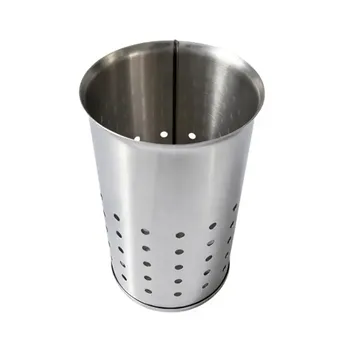
This is the core of the device, typically a metal canister or "fire pot" that holds the fuel. The design usually limits passive air intake, ensuring the fire smolders slowly rather than burning rapidly.
The Interior Grate
Inside the fire chamber, you will often find a grid or inner cup. This critical element holds the fuel off the metal bottom, creating a gap that allows air to flow underneath and around the combustible material.
The Bellows
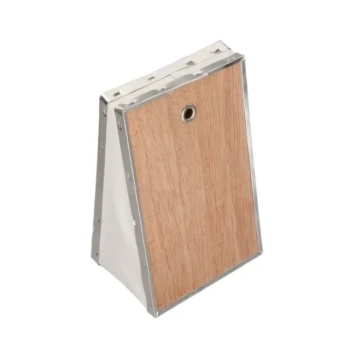
Attached to the side of the fire chamber, the bellows act as the lungs of the unit. When you squeeze the two hinged plates together, you force a controlled burst of oxygen into the base of the fire chamber.
The Nozzle and Lid
The nozzle is generally integrated into a hinged lid on top of the chamber. Its shape narrows the stream of smoke, allowing you to direct it precisely between hive frames or into the entrance.
Operational Mechanics
The effectiveness of a bee smoker relies on the manipulation of airflow.
Oxygen Control
The bellows serve a dual purpose: they keep the fuel lit for extended periods by feeding the fire oxygen, and they generate the pressure needed to expel the smoke.
Thermal Regulation
By restricting air intake when the bellows are not in use, the chamber preserves fuel. The goal is to produce cool, white smoke, not active flames, which ensures the safety of the bees.
Understanding the Trade-offs
While simple in design, the bee smoker requires specific handling to function correctly. Failing to manage these variables can lead to frustration or harm to the hive.
The Heat Risk
If the bellows are pumped too aggressively, the smoldering fuel can flare into an open flame. This results in "hot smoke" or sparks exiting the nozzle, which can singe bees or damage wax combs.
Fuel Sustainability
The fire chamber is designed to limit airflow, but this can cause the fire to extinguish if not packed correctly. If the fuel is too dense, oxygen cannot circulate; if it is too loose, it burns away too quickly.
Making the Right Choice for Your Goal
Effective use of a smoker depends on your specific objective during a hive inspection.
- If your primary focus is hive safety: Ensure you produce cool, dense smoke to effectively mask alarm pheromones without overheating the bees.
- If your primary focus is longevity: Pack the fire chamber with a mix of materials and ensure the bottom grate is clear to keep the smoker lit for the duration of your work.
- If your primary focus is precision: Utilize the bellows gently to direct small puffs exactly where needed, rather than flooding the entire hive with unnecessary smoke.
Mastering the airflow of your smoker is the single most important skill for a calm and controlled apiary experience.
Summary Table:
| Component | Primary Function | Key Feature |
|---|---|---|
| Fire Chamber | Houses and smolders fuel | Metal canister designed for low-oxygen burning |
| Bellows | Supplies oxygen and expels smoke | Hinged plates that regulate airflow and pressure |
| Nozzle & Lid | Directs smoke output | Narrows the stream for precise application between frames |
| Interior Grate | Facilitates air circulation | Creates a gap under fuel to prevent fire from extinguishing |
Elevate Your Beekeeping Operations with HONESTBEE
At HONESTBEE, we understand that high-quality tools are the backbone of a successful apiary. As a premier provider for commercial apiaries and distributors, we offer a comprehensive wholesale range of professional-grade beekeeping equipment—from durable smokers and specialized hive-making machinery to honey-themed cultural merchandise.
Partner with us to access:
- Wholesale Efficiency: Full-spectrum supply of tools, machinery, and industry consumables.
- Precision Engineering: Equipment designed for longevity and bee safety.
- Global Distribution: Tailored solutions for large-scale operations and retailers.
Ready to scale your business with the industry's most reliable equipment? Contact us today to discuss our wholesale offerings and how we can support your growth!
Related Products
- Stainless Steel Honey Bee Smoker Hive and Honeycomb Smoker for Beekeeping
- Professional Bee Smoker with Elongated Spout and Durable Bellows for Beekeeping
- Heavy Duty Manual Bee Smoker Blower for Beekeeping
- Premium Traditional Copper Bee Smoker with Bellows
- European Stainless Steel Bee Smoker for Honey Bee Hive
People Also Ask
- What are bee smokers made out of? Choose the Right Material for Your Apiary
- Why is a stainless steel bee smoker considered indispensable? Master Hive Management with Cool Smoke Technology
- What type of bee smoker is recommended for a beginner? Top Picks for Easy Hive Management
- Why is a specialized bee smoker considered a critical tool for apiary safety? Master Hive Control & Productivity
- How should a beekeeper use a smoker when approaching a hive? A Guide to Calm, Safe Inspections