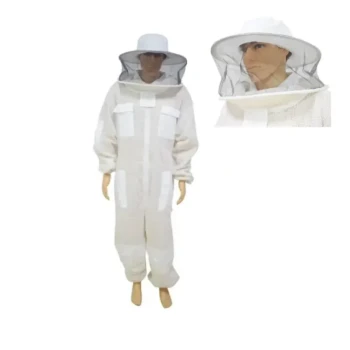
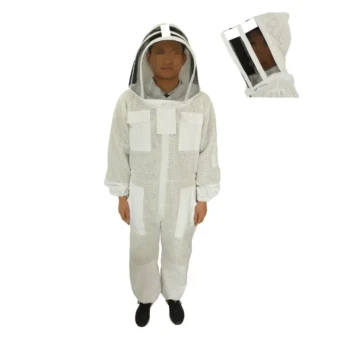
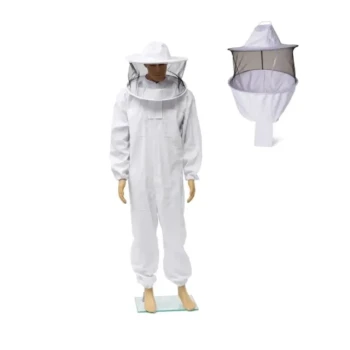
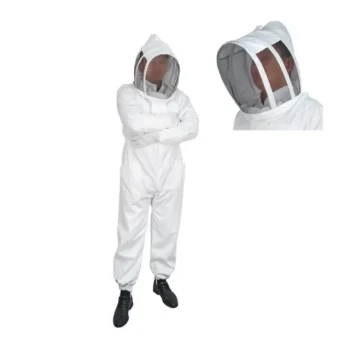
A bee suit is a specialized, full-body garment designed to provide beekeepers with the highest possible level of protection against stings. It is typically a one-piece coverall that covers the majority of the body, functioning as the central component of a protective system that must be sealed with gloves, footwear, and a veil to be effective.
The primary function of a bee suit is not just to cover skin, but to rigorously eliminate entry points. Its effectiveness relies on a system of integrated seals and overlapping connections that prevent bees from navigating into the wearer's personal space.
The Core Design Philosophy
The bee suit represents the most thorough protection available in apiculture. Unlike a simple jacket, it addresses the beekeeper's deep need for total immersion safety, allowing them to work with aggressive colonies or during intense hive inspections without fear of stings.
Full-Body Integration
The suit is generally a single-piece garment. By unifying the top and bottom halves, it eliminates the waist gap that can occur when bending over or lifting heavy hive boxes, which is a common vulnerability in two-piece setups.
Material Construction
To stop stings, the fabric must be durable and thick. Standard suits are often constructed from a heavy-duty polyester-cotton blend, balancing the need for sting resistance with the durability required for rugged outdoor work.
Critical Technical Features
A bee suit is defined by the specific mechanisms it uses to seal gaps. The primary reference highlights that protection is only as good as the closure of these potential entry points.
Integrated Veil
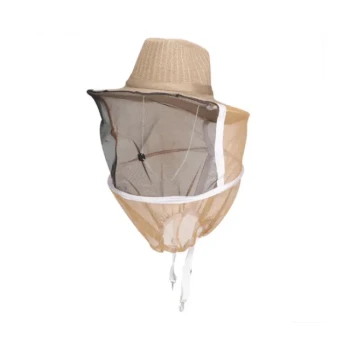
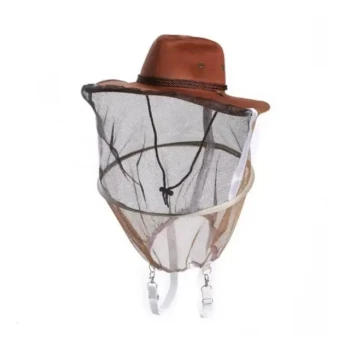
A high-quality suit features a veil that attaches directly to the neckline, often via a secure zipper. This integration protects the face and neck—the most sensitive areas—while maintaining visibility for hive inspection.
Thumb Ties
This is a small but critical feature emphasized in professional gear. Thumb ties are loops at the cuff that hook over the thumb, preventing the sleeve from riding up the arm when you pull on your gloves.
Elasticated Ankles
Bees naturally crawl upwards. To counter this, suits feature elastic cuffs at the bottom of the legs designed to create a snug seal around your boots or socks, preventing bees from entering from ground level.
Durable Front Zipper
The main entry point of the suit is secured by a heavy-duty zipper. This must be robust enough to withstand frequent use and dirt while creating a seamless closure from the crotch to the veil.
Understanding the Trade-offs
While a full bee suit offers maximum security, it introduces specific operational constraints that a beekeeper must manage.
Thermal Regulation vs. Protection
The thickness required to prevent stings naturally traps body heat. While modern designs attempt to balance ventilation, a full suit can become dangerously hot in peak summer, requiring the wearer to stay hydrated and take breaks.
Mobility and Dexterity
The "one-piece" nature of the suit can restrict range of motion compared to lighter gear. Furthermore, the necessity of sealing the hands with thick gloves to complement the suit reduces tactile feedback, making delicate tasks like handling a queen bee more difficult.
Making the Right Choice for Your Goal
Selecting the right protective gear depends on your specific environment and the temperament of your bees.
- If your primary focus is maximum safety: Prioritize a suit with aggressive sealing features, such as tight elastic ankles and secure thumb ties, to eliminate all potential gaps.
- If your primary focus is durability: Look for a polyester-cotton blend that offers a thick physical barrier against stings and resists tearing during field work.
A bee suit is an investment in confidence, allowing you to focus entirely on the colony rather than your own safety.
Summary Table:
| Feature | Description | Primary Benefit |
|---|---|---|
| Full-Body Design | One-piece coverall construction | Eliminates the waist gap for total coverage |
| Integrated Veil | Zipped neck attachment | Protects face/neck while maintaining visibility |
| Thumb Ties | Elastic loops at the cuffs | Prevents sleeves from riding up under gloves |
| Elasticated Ankles | Snug seals at leg openings | Stops bees from crawling up from the ground |
| Heavy-Duty Fabric | Durable polyester-cotton blend | Provides a physical barrier against stinger penetration |
Scale Your Beekeeping Business with HONESTBEE
At HONESTBEE, we specialize in empowering commercial apiaries and distributors with high-performance protective gear and professional-grade infrastructure. Whether you are looking for bulk supplies of premium bee suits to ensure worker safety or require specialized honey-filling and hive-making machinery to optimize your production, our comprehensive wholesale portfolio has you covered.
From essential consumables to honey-themed cultural merchandise, we provide the tools you need to thrive in the apiculture industry. Contact us today to discuss our wholesale offerings and discover how our equipment can drive your operational efficiency.
Related Products
- Premium Three Layer Ventilated Bee Suit with Round Veil
- Professional Beekeeper Suit with Square Folding Cotton Veil
- Professional Beekeeping Suit for Kids and Girls Childrens Bee Keeper Suit
- Three-Layer Ventilated Beekeeper Suit with Structured Fencing Veil
- Professional Cotton Beekeeper Suit with Round Veil Design for Commercial Apiaries
People Also Ask
- What are the features of a ventilated bee suit? Stay Cool and Protected in Hot Weather
- What is the function of professional protective consumables? Scale Your Apiary with Ventilated Bee Suits
- What should be considered when purchasing a ventilated bee suit? Ensure Maximum Safety and Comfort
- What is the advantage of ventilated bee suits over traditional ones? Stay Cool and Protected with Mesh Technology
- What materials are used in ventilated bee suits? Choose Between 3-Layer Mesh & Foam for Optimal Protection