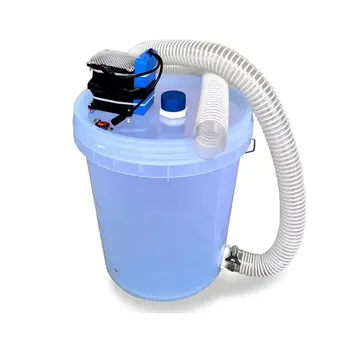
The standard commercial method for cleaning bee pollen utilizes a mechanical combination of fans and agitation. Rather than relying on manual sorting, commercial operations employ machinery that uses controlled airflow and vibration to separate debris from the pollen granules, a technique identical to that used in agricultural seed cleaning and harvesting.
Core Insight: Commercial pollen cleaning is essentially a density-based separation process. By using fans to create "air selection" and agitation to move the product, producers can automatically strip away lightweight contaminants like bee wings and dust while retaining the heavier, valuable pollen granules.
Principles of Commercial Cleaning
The Mechanism of Air and Agitation
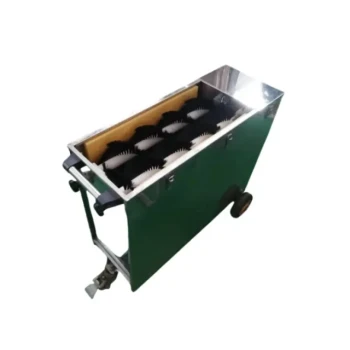
At a commercial scale, individual inspection with tweezers is impossible. Instead, processors use machines that integrate fans with mechanical agitation.
The agitation shakes the pollen, ensuring it moves across a screen or tray evenly. Simultaneously, the fan directs a stream of air through the falling or moving pollen.
Air Selection
This process is often referred to as "air-selection." The airflow is calibrated to be strong enough to blow away lightweight debris—such as bee wings, legs, and dust—but gentle enough to let the heavier pollen granules fall into a collection area.
Screening Debris
Agitation often works in tandem with screens. The vibration helps sift out larger foreign materials, such as beetles or beeswax chunks, which are too heavy to be blown away by the fan but too large to pass through the sizing screens that accept the pollen.
The Agricultural Connection
Leveraging Seed Technology
It is critical to understand that this is not unique technology. The primary reference highlights that the technique and machinery used for cleaning pollen are identical to those used for cleaning and harvesting seeds.
Why the Parallel Exists
Both seeds and pollen granules are relatively uniform, small, and dense compared to the chaff and organic debris surrounding them.
If you are looking for equipment, you do not necessarily need a machine exclusively branded for apiaries; seed cleaning equipment operates on the exact same physical principles.
Integration with Processing Standards
Achieving Food-Grade Hygiene
The goal of using these machines is to meet food-grade hygiene standards.
While manual cleaning involves spreading pollen on flat trays and picking out visible debris, commercial machines ensure a consistent removal of biological waste to prepare the product for consumption.
The Role of Drying
While cleaning removes physical debris, it is often paired with specialized drying machines.
These machines reduce moisture to inhibit microbial growth. In a full commercial loop, the pollen is cleaned of foreign matter (via fans/agitation) and then dried to prevent spoilage and extend shelf life.
Understanding the Trade-offs
Precision vs. Volume
Manual cleaning (using screens and tweezers) offers high precision but extremely low volume. It is effective for hobbyists but creates a bottleneck for business.
Mechanical cleaning offers high volume but requires calibration. If the fan speed is too high, you risk blowing away usable pollen. If it is too low, debris remains in the final product.
Capital Investment
Utilizing seed-cleaning technology requires an upfront investment in machinery. This moves the operation from a labor-intensive model to a capital-intensive model.
Making the Right Choice for Your Operation
To select the correct cleaning method, you must assess your current volume and production goals.
- If your primary focus is small-batch or hobbyist production: Stick to manual cleaning using flat trays and tweezers to ensure zero waste without equipment cost.
- If your primary focus is commercial scalability: Invest in machinery that utilizes fans and agitation, effectively adapting seed-cleaning technology to process high volumes efficiently.
- If your primary focus is long-term storage: Ensure your cleaning process is immediately followed by controlled drying to lower moisture content and inhibit enzymatic reactions.
Commercial efficiency relies on replacing the eye and the tweezer with the fan and the shaker.
Summary Table:
| Feature | Manual Cleaning | Commercial Mechanical Cleaning |
|---|---|---|
| Core Mechanism | Manual sorting & tweezers | Fans (Air-selection) & Agitation |
| Separation Logic | Visual inspection | Density & size differential |
| Efficiency | Low (Hobbyist scale) | High (Industrial/Commercial scale) |
| Debris Removed | Visible wings, legs | Dust, wings, beetles, beeswax |
| Technology Origin | Traditional beekeeping | Agricultural seed-cleaning tech |
Scaling Your Apiary Operations with HONESTBEE
Transitioning from manual sorting to industrial efficiency is a critical step for growing commercial apiaries and distributors. HONESTBEE specializes in bridging this gap by providing professional-grade beekeeping machinery and tools designed for high-volume production.
Whether you are looking for specialized honey-filling machines, hive-making hardware, or automated pollen processing equipment, our comprehensive wholesale portfolio is built to enhance your productivity and product quality. From essential industry consumables to honey-themed cultural merchandise, we offer the full spectrum of support for your business.
Ready to upgrade your production line? Contact us today to discuss our wholesale offerings and discover how HONESTBEE can optimize your beekeeping business.
Related Products
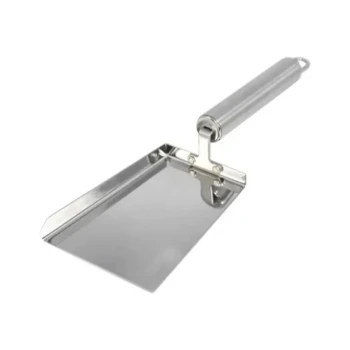
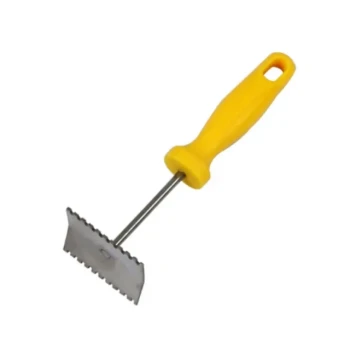
- Heavy-Duty Ergonomic Stainless Steel Pollen Shovel
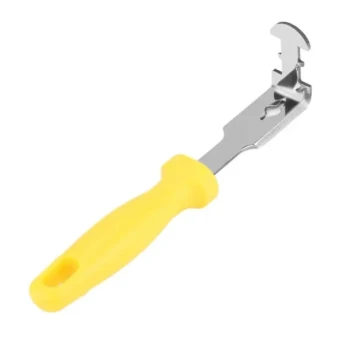
- Heavy-Duty Ergonomic Grip Galvanized Pollen Shovel
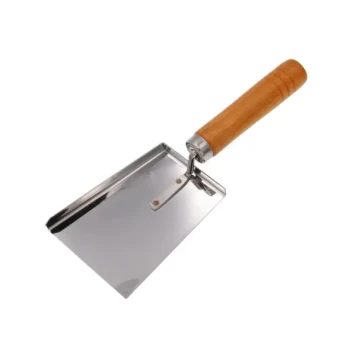
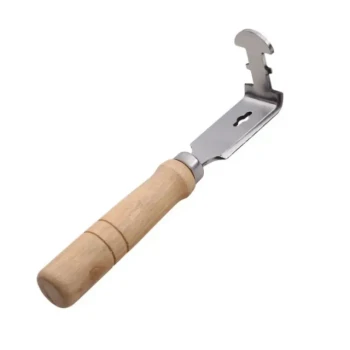
- Stainless Steel Pollen Shovel with Wooden Handle
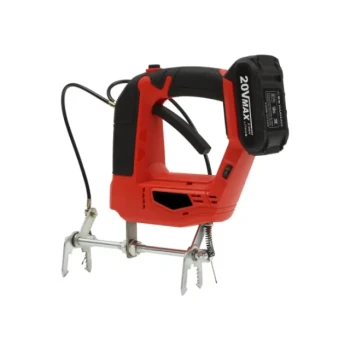
- High Performance Cordless Electric Bee Shaker for Beekeeping
- Plastic Bee Pollen Trap Strips Comb Catcher Collector
People Also Ask
- How is pollen cleaned after it has been dried? Master Efficient Separation for Pure Bee Pollen
- What methods are used to clean harvested bee pollen? Scale Your Beekeeping Operations with the Right Technique
- How can harvested bee pollen be cleaned to remove impurities? Efficient Methods for Commercial and Hobbyist Beekeepers
- How do bee pollen collection tools affect the quality of bee pollen used in functional dairy ice cream production?
- What is the technical significance of using specialized cutting tools for propolis? Master Precision Pollen Harvesting